
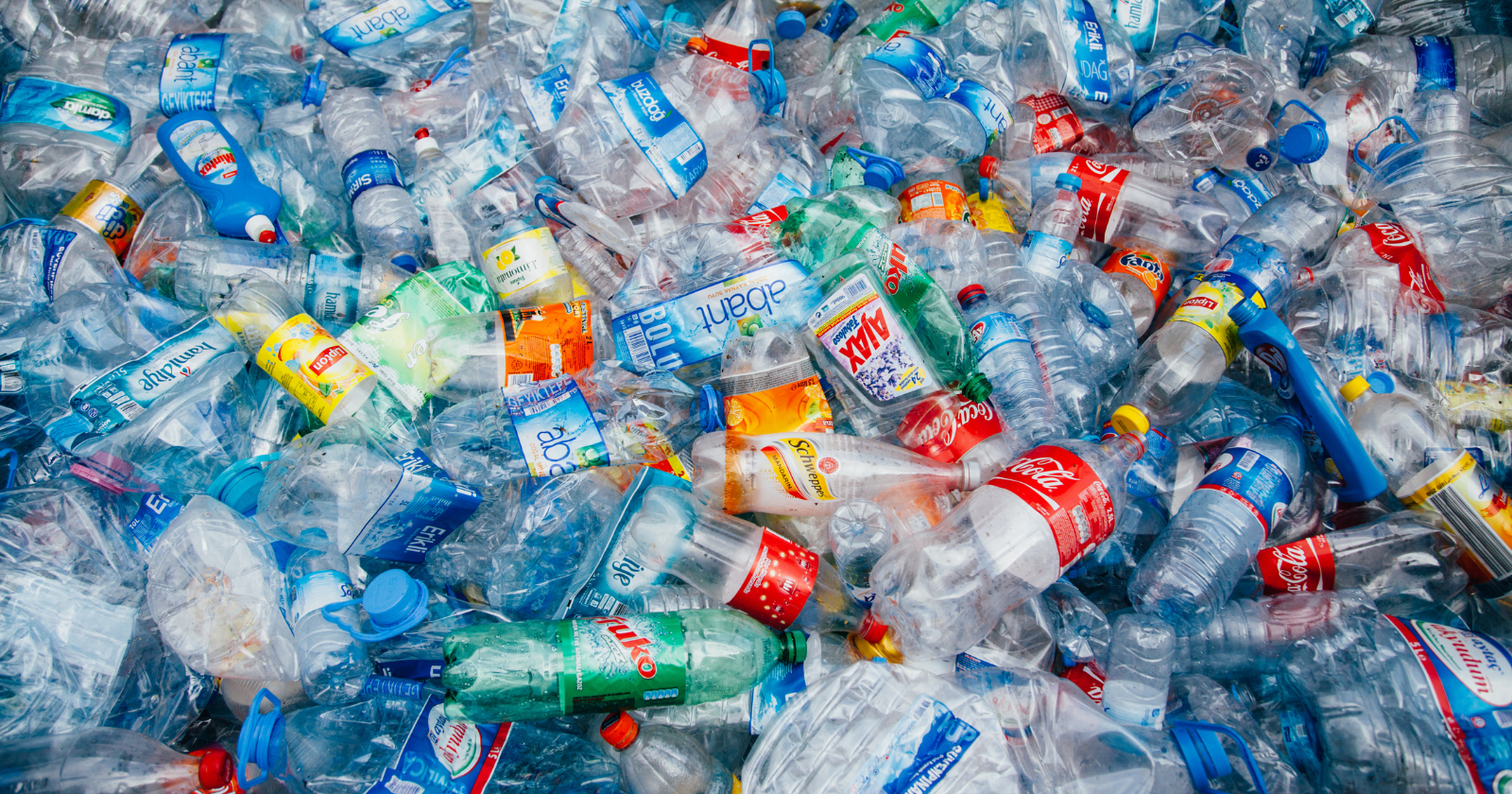
Termites have no interest in a shopping bag.
That one dull fact explains why plastic hauled off Nairobi’s dumpsites is now standing in rows across Kenyan farmland, holding up wire. Bags and bottles get sorted, shredded, melted and forced into moulds, and out the far end comes a fence post made by EcoPost, a Nairobi recycling business now well into its second decade. Unreasonable Group, one of the networks that has backed it, puts the running total past 13 million kilograms of plastic, or near enough 28 million pounds.
How a bag turns into a post
Picture a very large pasta machine on an appalling diet. Shredded plastic goes in, a heated barrel melts it, a screw pushes the molten polymer forward, and a mould hands back something roughly the shape of a tree. No treatment, no preservative, no grain to split along when a staple goes in.
Collectors working the dumpsites and yards supply the feedstock by weight, so the price of a post begins with the price of rubbish. SEED, the UN-backed awards programme that named the venture a winner in 2010, described that network as paid work for young people and women who gather, sort and clean the plastic before selling it on. It put monthly intake at about 25 tonnes.
What farmers were putting in the ground before
“Waste isn’t waste until it’s wasted,” founder Lorna Rutto said in a Green Economy Coalition profile of the business she left a banking career to start. That profile also made the unromantic case for the product: recycled plastic ignores termites and rot, so the maintenance bill stays flat. Orders outran capacity early on and a second production site opened to cope.
Timber has a short career in East Africa. A Stanford Graduate School of Business case study on the company notes that lumber in Kenya is scarce and prone to theft, which is why the posts sold as fast as a set of second-hand industrial machines could turn them out. The same extruded stock also turns up as park benches and other objects, so a fence is only its most common destination.
Why the supply of feedstock has not run out
Kenya has one of the strictest plastic bag laws anywhere, in force since 2017 and carrying jail terms. Before it arrived, supermarkets alone were handing out some 100 million bags a year, as the UN Environment Programme reported when the ban was announced. Bags still surface on the tips, in the company of everything the law never touched.
Nairobi produces about 2,400 tonnes of solid waste daily, roughly a fifth of it plastic, per World Bank estimates cited by Stephen Onyekwelu in Nigeria’s BusinessDay. Under half is recovered for anything at all.
Dandora, the biggest of the city’s dumpsites, takes in close to 2,000 tonnes a day on the figures in that same report, picked through by thousands of informal collectors hunting plastic, metal and anything with a buyer behind it. That work is precarious and unregulated, but it already functions as the front end of a national supply chain.
Whose numbers these are
Company-reported, all of them.
Onyekwelu was careful to note that the impact figures have not been independently audited. The tallies scattered across award profiles and business-school write-ups disagree loudly too, running anywhere from 3 million kilograms to the 13 million now in circulation. The direction of travel is believable; the decimal places are not.
The wider claims sit in that bracket too. Around 4,500 acres of forest spared, 160 million kilograms of carbon dioxide avoided, some 12,000 people earning something from collection: all plausible, none of it verified by anybody with no stake in the answer.
The capital problem
Machinery decides everything here. That Stanford case has the directors hunting finance to buy better equipment and widen the product range, and the BusinessDay account puts daily output at 80 to 100 posts around that time. Shredders, extruders and a working truck are the whole business, and goodwill has never once bought a truck.
None of this makes the plastic vanish. It moves house, standing upright in a paddock, doing something useful for decades instead of blocking a storm drain. That is a better address and a better job, but the bill still falls due somewhere around 2060, when a farmer has to work out what a worn-out plastic post is good for.