
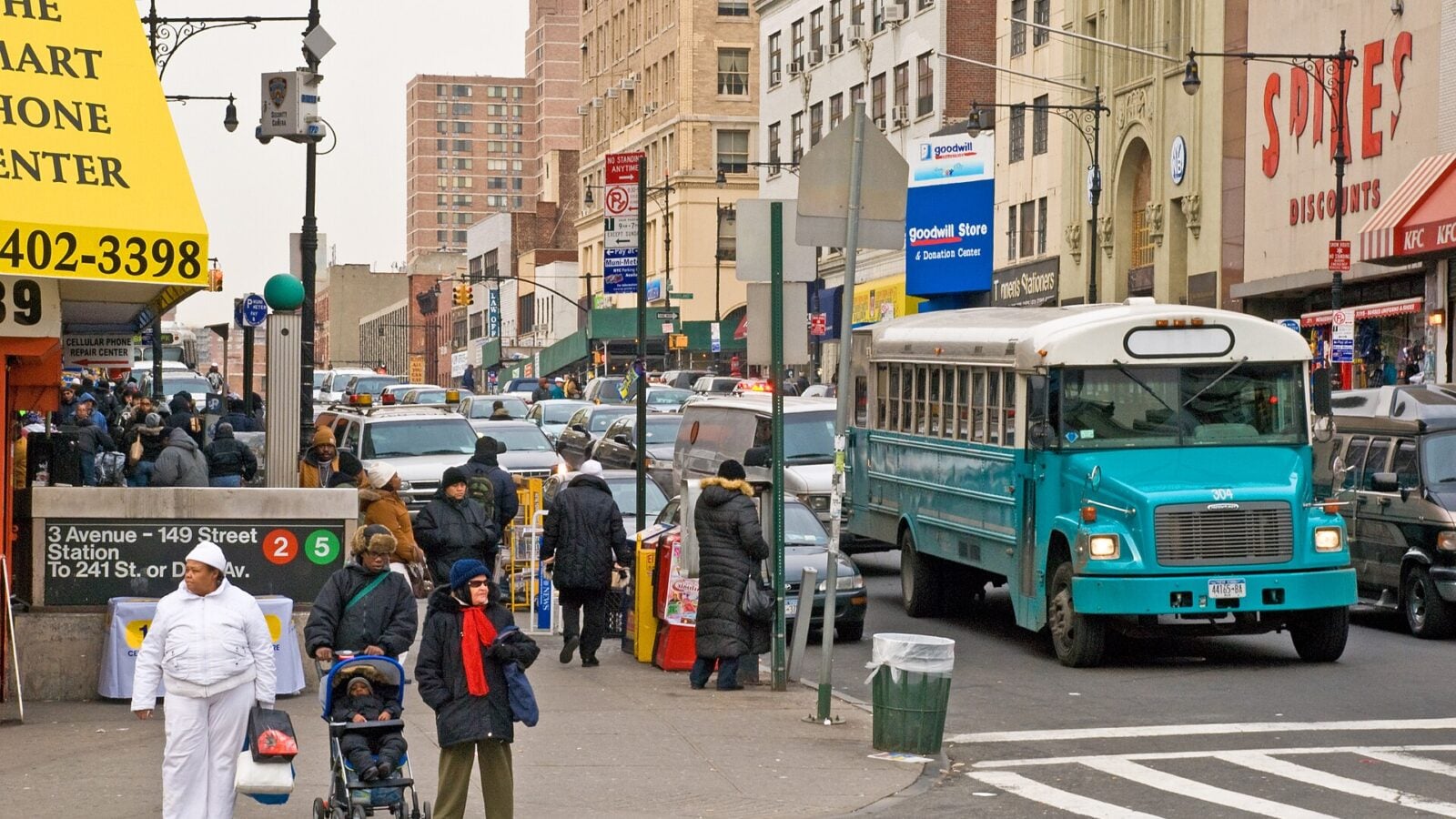
NEW YORK: New York City’s Health Department has declared the source of a deadly Legionnaires’ disease cluster in the South Bronx eliminated, while the genome test that would show which cooling tower made people sick is still running.
As of 29 September, 23 people had tested positive in association with the cluster in the Melrose and Morrisania sections of the Bronx. Two of them died. Twenty-one were hospitalized, 17 of them discharged and two still admitted at that point.
The investigation opened on 10 September, when five people had been diagnosed and one had died. The department sampled 24 cooling towers in the area that same day, and has said it sampled all towers for the investigation within 12 hours. Initial PCR screening, which picks up traces of living or dead bacteria, was finished by 12 September. The department ordered 10 towers cleaned and disinfected, and all 10 were done by 15 September.
Culture testing, which takes up to two weeks and confirms live bacteria, came back on 23 September for seven towers, each of them already cleaned the week before. Results for all 24 arrived on 25 September and showed those seven were the only ones with live bacteria. The seven were at 567 Melrose Ave., 3339 Park Ave., 820 Concourse Village West, 470 E. 161st St., 890 Washington Ave., 1160 Teller Ave. and 1265 Franklin Ave. Three other towers were PCR positive and culture negative, including the tower at 1 E. 161st St., the Yankee Stadium address. The department has said a culture positive tower may or may not be the source of exposure in a cluster.
On 30 September the department announced there was no longer an elevated risk in ZIP codes 10451, 10455, 10456 and 10459, and that the source of exposure had been eliminated. More than two weeks had passed since anyone who lives in, works in or visited the area began feeling symptoms, and symptoms can take that long to appear after exposure. All towers in the area with a positive test had been cleaned over two weeks earlier. The announcement did not cite follow-up culture results for the cleaned towers.
Ruth Berkelman, a professor emerita of epidemiology at Emory University’s Rollins School of Public Health and a former deputy director of CDC’s National Center for Infectious Diseases, described the standard this way. “A public health agency can conclude that an exposure source is eliminated (at least temporarily) if all potential sources identified by epidemiologic investigation are proven to have no legionella bacteria by cultures performed by an expert environmental microbiology laboratory,” she told DMNews in an email.
Whole genome sequencing to match bacteria from the tower samples with bacteria from patient samples is still under way, and the department expects results by late fall. Health Commissioner Dr. Alister F. Martin said on 30 September that the city would “hold accountable any cooling tower operator who fails to follow the rules of this city and jeopardizes the health of New Yorkers.”
In a release on 13 September, the department said eight of the 10 cooling towers that tested positive by PCR were compliant with the 31-day testing requirement that took effect on 8 May. The towers at 820 Concourse Village West and 1265 Franklin Ave. “did not provide testing information as required,” according to the department. Both were later among the seven confirmed by culture to contain live bacteria. The other five culture positive towers were among the eight the department called compliant, so testing on schedule did not stop live bacteria growing in those towers. The department said it “will inspect any cooling tower that tests positive during this investigation to review their compliance with local laws and regulations.”
A genome match depends on having bacteria from patients as well as from towers, and the department has said it typically receives culture specimens for only 6 to 9% of all reported Legionnaires’ cases. In the Central Harlem cluster of July and August 2025, which the city counted at 114 cases and 7 deaths, the department received seven clinical specimens and molecular analysis matched the strain found in cooling towers to bacteria from seven patients.
The Bronx cluster is the city’s third community cluster in roughly 14 months, and the department called it the second this summer after the Upper East Side. That earlier cluster, identified in July 2026 in Carnegie Hill and Yorkville, reached 94 cases and 11 deaths as of 28 August. The city concluded that investigation and said the source had been eliminated.
Building owners now carry a heavier testing load. Since 8 May 2026, city rules require owners to test operating cooling towers for Legionella every 31 days, up from every 90 days. About 4,000 buildings in New York have registered cooling towers, and the department said 82% of cooling tower systems citywide were in compliance with the monthly testing requirement. Since 8 May it has conducted more than 900 cooling tower inspections, with more than $111,000 in fines paid as of 5 September.
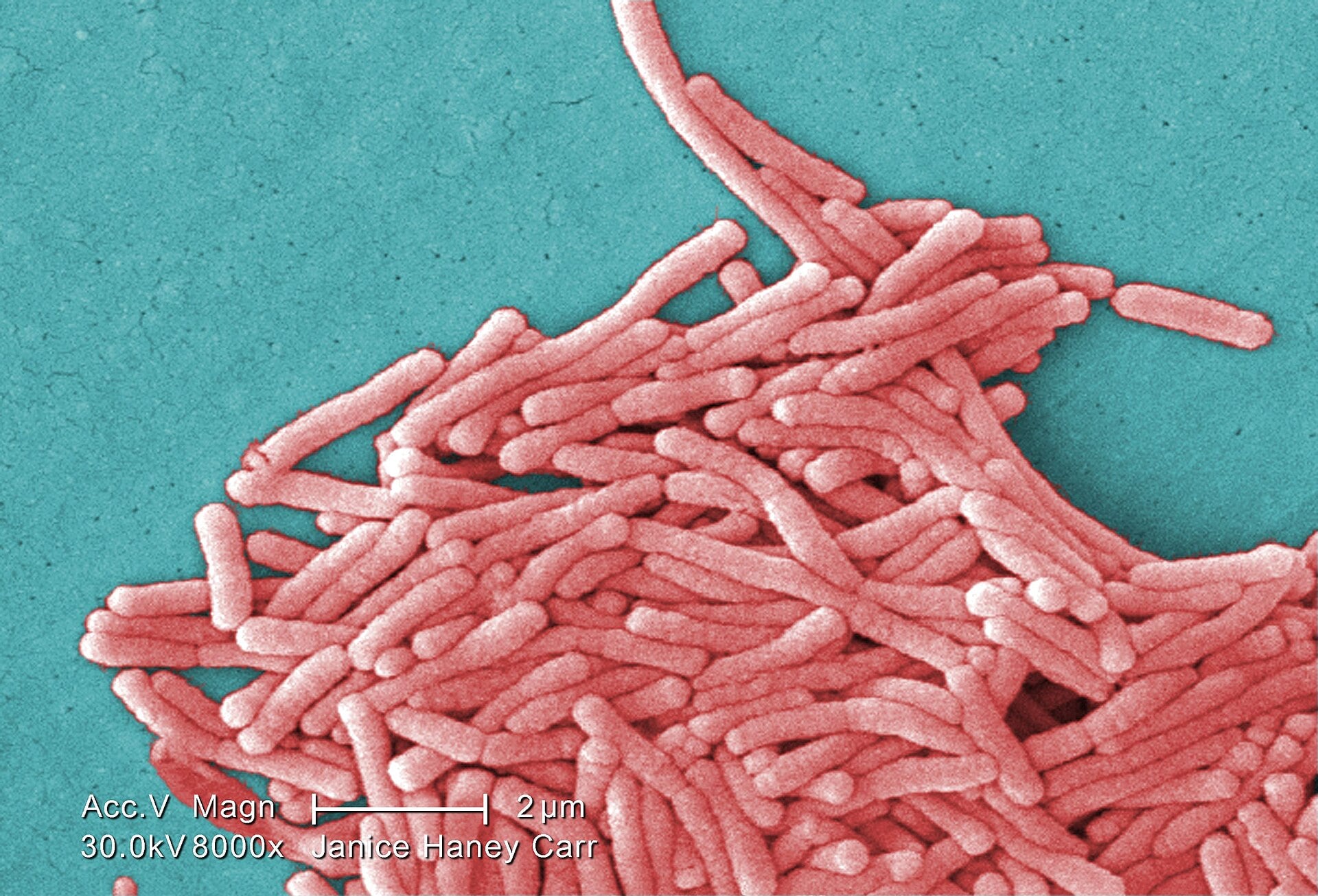
Legionnaires’ disease is a form of pneumonia caused by breathing in mist that contains Legionella bacteria, and it does not spread from person to person.
Which of the seven towers, if any, produced the bacteria that sickened the 23 people remains unknown until the genome sequencing results arrive, which the department expects by late fall.
Sources
- NYC Health Department, Legionnaires’ Disease (cluster page, last updated 30 September 2026)
- NYC Health Department, NYC Health Department Investigating Community Cluster of Legionnaires’ Disease in the Bronx, 10 September 2026
- NYC Health Department, NYC Health Department Orders 10 Cooling Towers Cleaned and Disinfected as South Bronx Legionnaires Investigation Continues, 13 September 2026
- NYC Health Department, Preliminary List of South Bronx Cooling Towers Where Testing Confirms Live Legionella Bacteria, 23 September 2026
- NYC Health Department, NYC Health Department Confirms Source of South Bronx Legionnaires’ Disease Cluster Is Eliminated, 30 September 2026
- NYC Health Department, New Legionella Testing Regulations for Cooling Towers Go Into Effect Citywide, 8 May 2026
- NYC Health Department, New York City Health Department Closes Investigation of Central Harlem Legionnaires’ Disease Cluster, 29 August 2025
- Ruth Berkelman, email to DMNews, 6 October 2026