
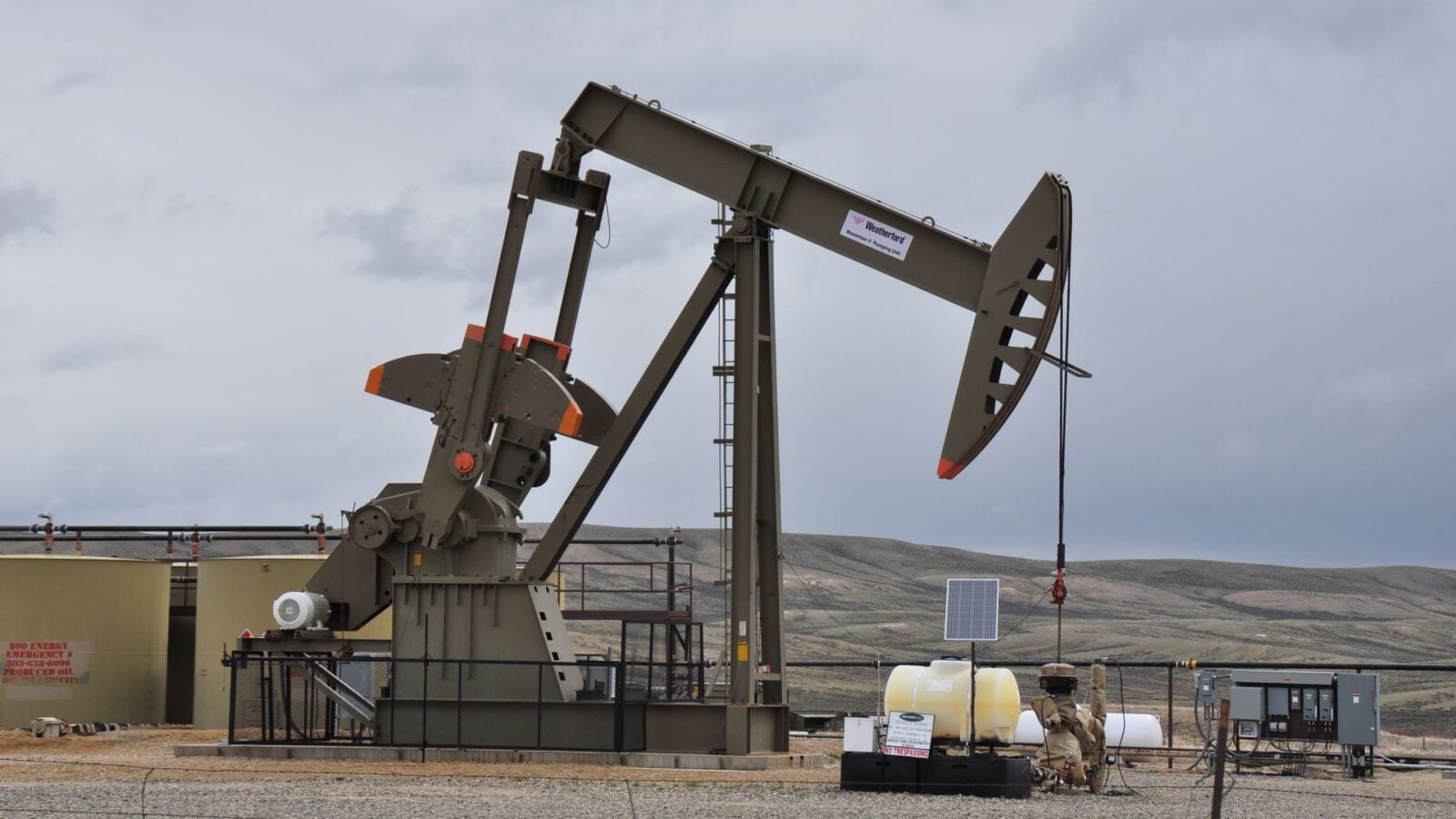
Aaron Szabo now sits in a senior role at the Environmental Protection Agency, running the effort to dismantle the very methane rules his former clients spent years fighting. The former lobbyist for the American Exploration and Production Council was appointed by the Trump administration to lead the agency’s air office, and within months the EPA produced a draft rule that would gut leak-inspection and equipment-upgrade requirements on low-producing oil and gas wells.
The industry calls them stripper wells. They pump a small amount of oil each day. They are, on paper, marginal.
They are also responsible for a disproportionate share of methane pollution from the U.S. oil and gas sector while producing only a small fraction of its output.
That asymmetry is the story. A large share of the pollution, a sliver of the production, and now a proposed federal rule that would let the operators walk away from the fix.
Consider what this looks like on the ground. In New Mexico, residents live in counties dotted with aging wells whose owners have changed hands three or four times. The wells do not stop leaking when the majors sell them. The buyers are smaller, thinner, and less regulated, and the pollution keeps rising into the air over people’s houses.
The economics of this rollback are unusually clean. The EPA’s draft rule estimates the change would save companies $42 billion through 2050. Industry’s own estimate is that keeping the existing standards would eliminate a tiny fraction of U.S. oil and gas production.
Read those numbers together. The compliance cost the industry describes as intolerable would cost the country very little output. The savings, meanwhile, flow to a specific corner of the sector.
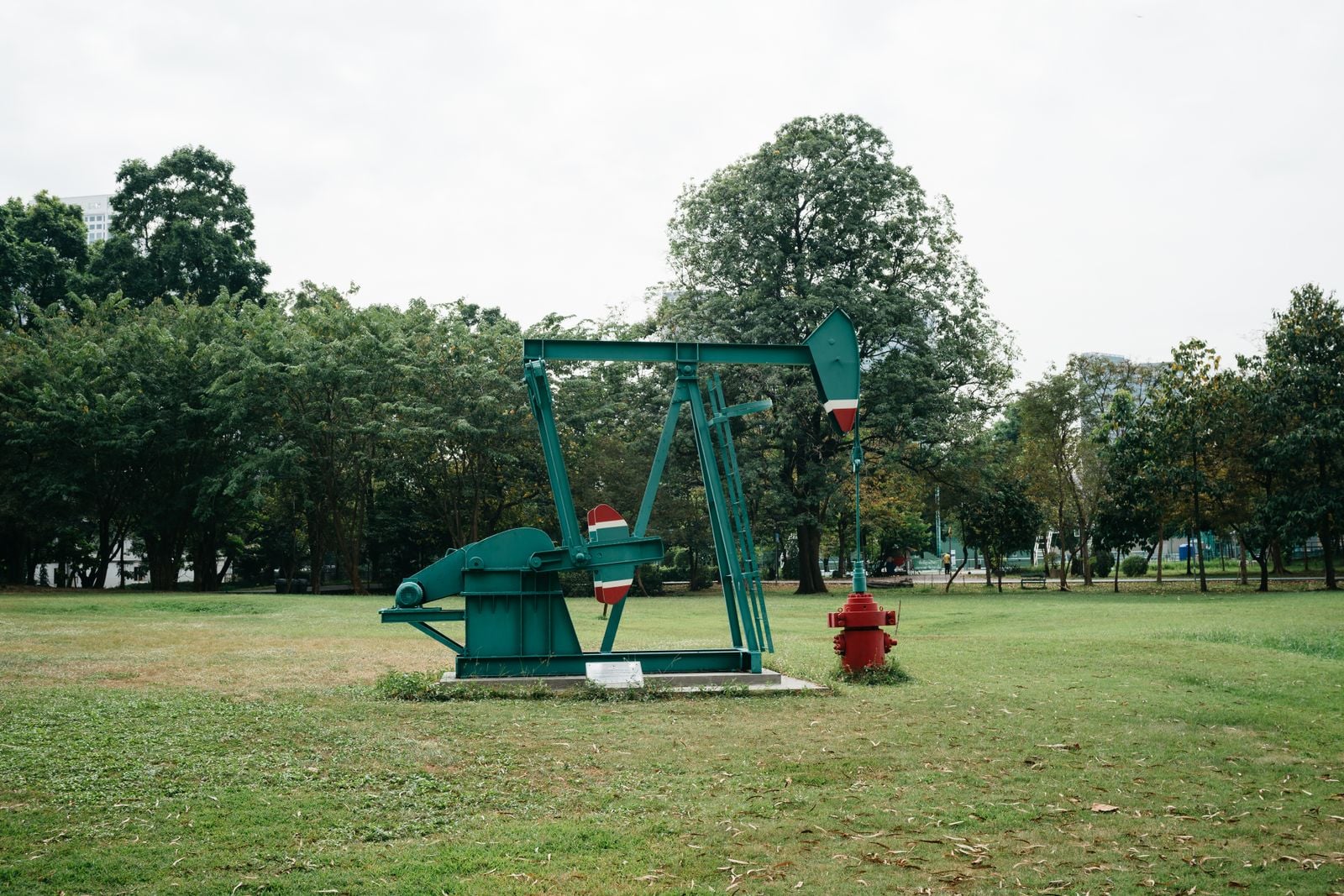
That corner has a face. ProPublica’s reporting traces the push back to Jeffery Hildebrand, the billionaire founder of Hilcorp, a private company whose business model is built on buying up the aging, low-producing wells the majors no longer want. Hilcorp is now one of the largest holders of stripper wells in the country. It is also one of the largest methane emitters in the sector.
Szabo, before joining the EPA, lobbied for a trade group whose members include operators of exactly these wells. The agency’s press office told ProPublica that he had stopped working for AXPC well before joining the EPA, or had a significant gap between his lobbying work and government service.
The Biden-era rule the administration is unwinding was finalized in 2024. The EPA at the time valued its climate, health, and energy benefits at more than $7 billion a year and projected it would cut methane pollution from the oil industry substantially. Central to that rule was a super-emitter program requiring companies to respond to large, verified methane release events flagged by third-party monitoring. The new proposal would eliminate that program.
Methane matters differently than carbon dioxide. It breaks down in about a dozen years rather than centuries, which means aggressive cuts today produce near-term cooling rather than distant relief. Methane is responsible for a significant portion of the rise in global temperatures since the Industrial Revolution. Short-lived, potent, and, in the oil patch, largely a matter of unfixed leaks and outdated equipment.
Landmen in Texas have watched the consolidation play out in real time. The majors sell off tail-end assets to smaller operators who run leaner crews and defer maintenance. The wells keep producing a trickle of oil and a steady stream of methane. The economic logic of buying cheap and holding requires that the regulatory cost of holding stay low. The proposed rule delivers exactly that.
Darin Schroeder of the Clean Air Task Force criticized the rule, arguing it prioritizes industry profits over environmental and societal costs rather than genuine energy policy goals.
The framing matters. The administration has consistently described its energy agenda as one of production and independence. The math inside its own draft rule does not support that framing where stripper wells are concerned. Removing the rules protects a tiny fraction of output. It does not unleash a new era of American energy. It preserves a business model.
Which model, specifically. Hilcorp’s growth has depended on buying assets whose environmental liabilities were priced into the sale. When federal rules raise the cost of holding those liabilities, the acquisition math changes. When federal rules relax, the math improves. The gap between stated principle and revealed incentive is where the actual policy lives.
There is a pattern here worth naming. Deregulation is often sold as broad relief for an industry. In practice, the benefits concentrate. The majors have already invested in leak detection and equipment upgrades because their investors, insurers, and European buyers demand it. Rolling back federal rules does not save them much. It saves the smaller, later-stage operators who bought the tail assets and structured their returns around the assumption that oversight would eventually loosen.
Environmental engineers who consult for mid-size producers have spent recent years helping clients budget for compliance with the 2024 rule. Those budgets are now, in their clients’ view, largely a sunk cost. The firms that moved early do not get the money back. The firms that delayed get rewarded. That is the shape of nearly every deregulatory rollback: it punishes the compliant and refunds the holdouts.
The super-emitter provision is the piece most worth watching. Third-party satellite and aerial monitoring has, over the past five years, made methane leaks visible in a way they never were before. Organizations monitoring emissions have published data showing that a small number of sites account for a disproportionate share of emissions. The Biden rule tried to convert that visibility into a compliance obligation. The proposed rule severs the link. Leaks will still be detected. Operators will no longer be required to respond.
That is the quiet part of the proposal. The public conversation is about $42 billion in savings and regulatory burden. The functional change is that a verified, ongoing methane release could sit unaddressed without federal consequence.
State enforcement will vary. New Mexico and Colorado have their own methane rules. Texas, which contains a large share of stripper wells, has less stringent requirements. The rollback effectively hands the decision to the states, and the states with the most wells are the ones least likely to act.
The comment period on the proposed rule will run through the fall. Industry groups will file in support. Environmental and public-health groups will file in opposition. The EPA will finalize something close to what it proposed. Litigation will follow. This is the choreography of every major rule change, and the outcome tends to favor the party that wrote the draft.
What remains, after the legal fights and the press releases, is the physical fact of the wells. Hundreds of thousands of them, scattered across the country, each one small, most of them leaking, collectively responsible for a significant share of methane pollution from the sector.
A policy that leaves them alone is a policy that has decided the pollution is acceptable. The rest is language.