
Nearly 70 percent of Canadian exports flow to a single customer, and on August 22, Prime Minister Mark Carney told that customer he was done negotiating. Ottawa will match Washington’s 50 percent levy on roughly $20bn of Canadian goods with its own dollar-for-dollar tariffs on American steel, dairy, and electronics, according to Al Jazeera, which has tracked the negotiations more closely than most North American outlets. The retaliatory measures take effect September 8.
The number that matters is not the tariff rate. It is the 70.
This is the texture of a trade war that has moved past posturing.
The immediate trigger was the collapse of negotiations after Washington proposed terms Carney described as uneconomic — including provisions that would restrict Canada’s ability to pursue new trade deals elsewhere and, in the Canadian reading, target Quebec’s French-language protections. Whether that reading is a fair characterization of the American position or a political framing for a domestic audience is contested. What is not contested is that Carney walked away.
Carney announced that Canada would match Washington’s tariffs in order to protect Canadian workers, farmers, families, and businesses.
The affected goods on the American side are not abstract. They include wine, furniture, cement, clothing, fishing rods, and hockey equipment — $20bn worth, representing about 5.5 percent of Canadian exports to the US. The Canadian retaliation targets American steel, dairy, and electronics. For a household in Winnipeg buying a new refrigerator, or a contractor in Calgary sourcing rebar, the price change will be visible within weeks.
The domestic politics inside Canada are less unified than Carney’s speech suggests. A Leger poll found 56 percent of Canadians favored a hard line and no more concessions. That is a majority, but it is a working majority — not a national consensus. Roughly four in ten Canadians either want a softer approach or are unsure, and the burden of a trade war does not fall evenly across those groups.
Ontario Premier Doug Ford, whose province carries the heaviest exposure through the auto and steel sectors, publicly backed the move, saying he was glad Carney did not sign a deal he described as damaging to Ontario’s auto, steel, and manufacturing base. Diamond Isinger, a former special adviser to Justin Trudeau, framed it more starkly, arguing that retaliatory tariffs were the only realistic option because the current US administration responds to strength.
That last sentence is the whole strategic bet.
Carney’s calculation assumes that Washington reads escalation as leverage rather than provocation. It is a reading with historical support and historical counter-examples. Retaliatory tariffs in the 1930 Smoot-Hawley era deepened a global downturn. Retaliatory tariffs in the 2018-19 dispute produced a renegotiated USMCA. Which precedent applies depends on assumptions about the current American administration’s tolerance for domestic price pressure — and about how much room Carney has before his own coalition frays.
The deeper structural problem is the 70 percent figure. A country that sends seven of every ten export dollars to a single buyer does not have the negotiating position of an equal. It has the negotiating position of a very large supplier to a very large customer, and the customer knows it. Carney’s pledge to forge new trade and military alliances is a recognition of this asymmetry, but diversification of that scale is measured in decades, not quarters.
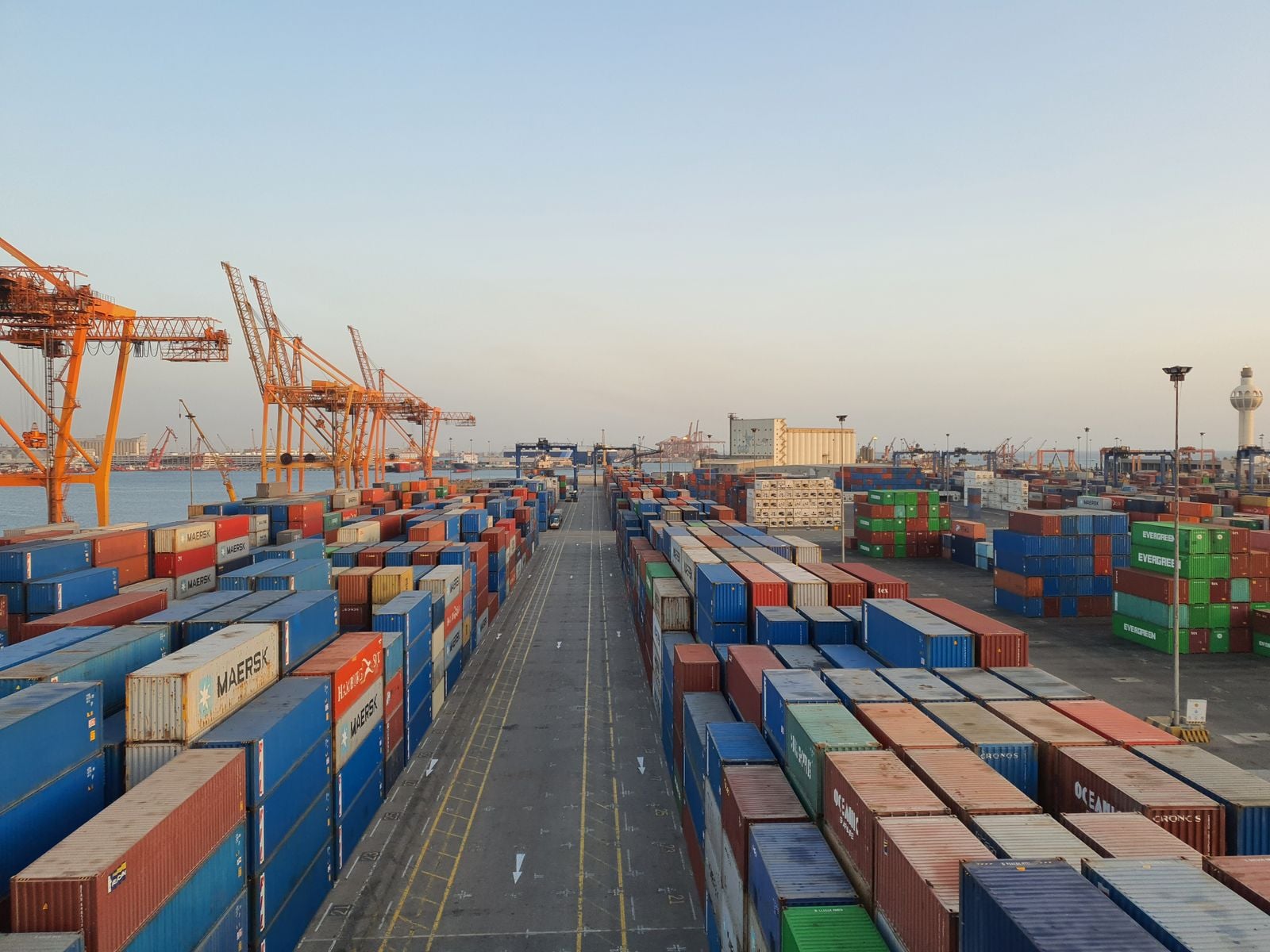
This is what a trade war actually does. It does not punish governments. It reshuffles supply chains that took thirty years to build, and the reshuffling is sticky. Buyers who find new suppliers during a tariff period often keep them after the tariff lifts, because switching costs run in both directions.
The Business Roundtable, a group of 200 chief executives of major US corporations, has been among the more skeptical American voices on the tariff strategy. That skepticism matters because it signals where the domestic pressure inside the United States will build. Tariffs are paid by importers, passed to consumers, and absorbed by retailers in some combination that varies by product. The political question is how quickly that pass-through becomes visible at the checkout.
Canadian economic forecasts suggest that costs, prices, and unemployment will likely increase as a result of the tariff decision. That is the price Carney has told Canadians they will pay for the position he has taken. Whether they continue to support the position once the invoices arrive is the next test.
The public conversation around tariffs tends to fixate on the headline percentages and the theater of the announcements. The actual story sits in inventory decisions being made this week in warehouses in Laval and Buffalo, in supplier contracts being renegotiated in Hamilton and Detroit — and in the competing bets underneath them. Carney is wagering that Canada can absorb short-term pain for long-term repositioning; Washington is wagering that Canadian dependence makes Canadian pain politically unsustainable first. Both bets cannot be right, and what the 70 percent figure tells you is which side has more time.