
A political donation does not have to buy a vote to matter. For a company whose customers include police departments and local governments, the more revealing question is what happens when political giving, lobbying and procurement relationships begin occupying the same space.
On September 4, 2026, The Intercept reported that since the beginning of 2025, Flock Safety had given 700 percent more to partisan groups representing mayors, attorneys general and governors than it gave those groups during the previous three years. The post-2024 total was about $240,000, compared with $30,000 from 2022 through 2024.
The donations were only one part of a much larger political-spending push. An OpenSecrets analysis published by the Arkansas Advocate on August 31 found that Flock had spent more than $2 million on federal and state lobbying since 2025. That included nearly $1.3 million in federal lobbying between January 2025 and July 2026 and at least another $1 million reported at the state level.
The timing matters because scrutiny of Flock was also accelerating. By August 28, Ars Technica reported that Secure Justice had counted 165 localities ending Flock relationships during the first almost eight months of 2026.
That figure needs context. Flock told Ars that new city partnerships had outpaced nonrenewals by approximately 10 to one in 2026. The company was not simply disappearing from the market; expansion and resistance were happening at the same time.
The reports of police misuse, however, were concrete. A Washington Post investigation published August 2 identified at least 50 law-enforcement officers who had been charged with or accused of unauthorized license-plate-reader use. Flock’s system was involved in 46 of those cases, and investigators or prosecutors said 26 involved officers spying on wives, girlfriends, exes, new partners of exes or women they wanted to meet.
Federal access created another controversy. In a company statement, Flock acknowledged that it had conducted limited pilot programs with U.S. Customs and Border Protection and Homeland Security Investigations. The company also said some of its earlier public statements about its relationship with federal agencies had been inaccurate and acknowledged that it had failed to create distinct permissions and protocols to ensure local compliance for federal users.
Against that backdrop, the political giving becomes more important to examine carefully, without claiming more than the records show.
The groups receiving Flock money include the Democratic and Republican governors’ associations, the Democratic and Republican attorneys general associations, the Democratic Mayors Association and Community Leaders of America. They operate in the world of Section 527 political organizations. ProPublica explains that 527 organizations can raise unlimited sums for political spending and report their finances to the IRS.
The Intercept reported that the Democratic Mayors Association had received $30,000 from Flock. A spokesperson said reports of police misuse were “deeply unsettling” while arguing that accepting a donation did not give Flock influence over local mayors.
Torin Monahan, a professor of communication at the University of North Carolina at Chapel Hill who studies surveillance, put the issue more cautiously in The Intercept. “There’s a reputational risk for them accepting donations from Flock at this time,” he said.
Flock is also not alone. The same report documented political giving by major competitors Axon and Motorola Solutions. The tactic predates Flock, and corporate donations to associations representing elected officials are not evidence by themselves that a contract, investigation or policy decision has been improperly influenced.
That distinction matters. The documented story is not that a donation produced a particular vote. It is that a company selling public-sector surveillance technology dramatically expanded its political spending while the technology itself was attracting bipartisan scrutiny, contract fights and documented misuse cases.
Flock critic Jason Hunyar has been using public records to examine some of those political relationships. In one detailed post, Hunyar documented a $25,000 Flock Safety contribution to the Republican Attorneys General Association on July 2, 2025. His broader argument goes further than the public record alone can prove, but the contribution itself is documented.

The significance of these relationships is therefore less dramatic, and more structural, than a bribery narrative. Political associations give companies opportunities for visibility, networking and access to officeholders and their staffs. That does not prove an official will favor a donor, but it can make a vendor more familiar inside the political ecosystem where public policy and procurement are discussed.
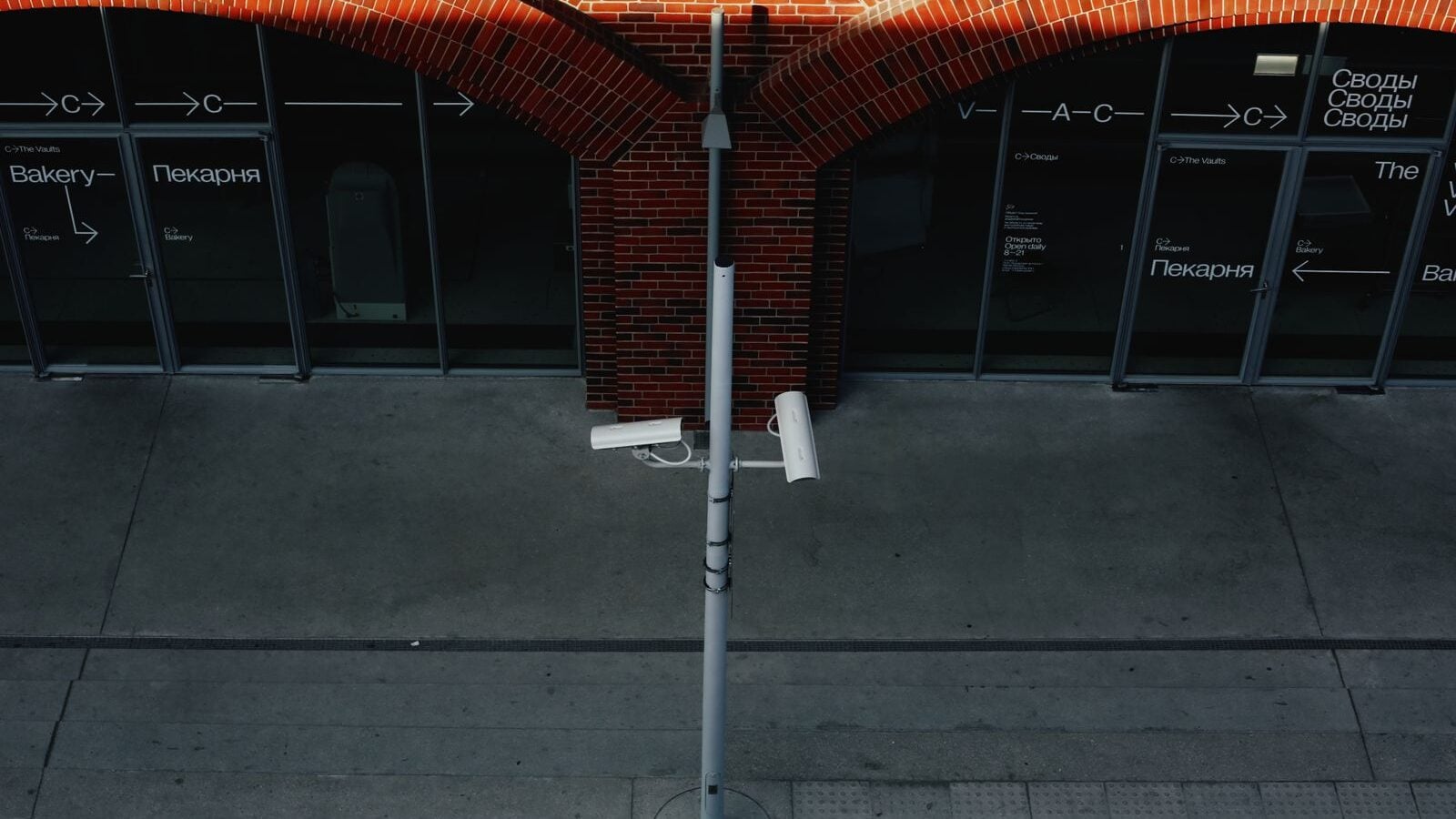
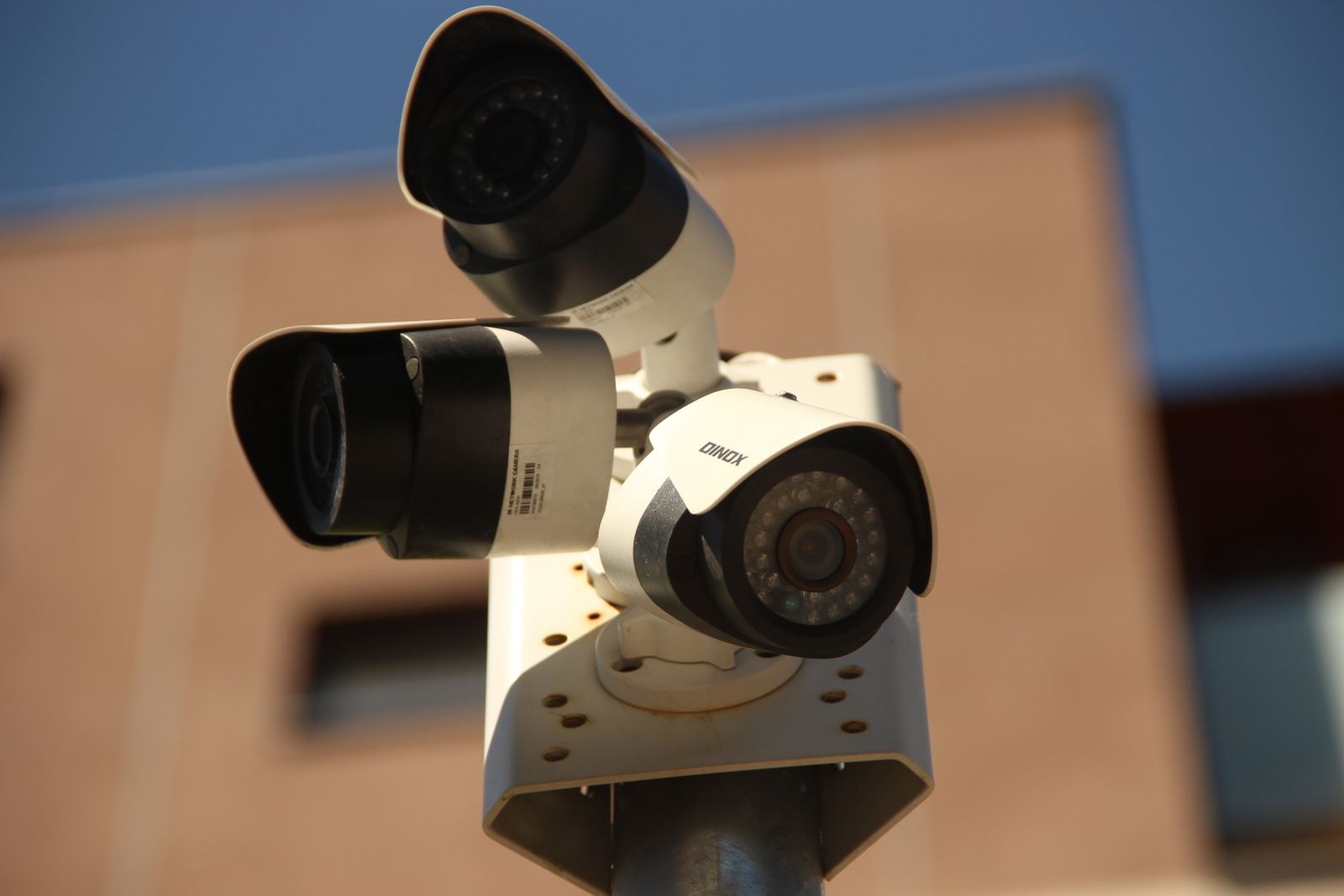
Flock’s scale raises the stakes. The Washington Post reported that the company said more than 120,000 of its cameras were operating across more than 6,000 communities, recording about 20 billion plate scans each month. A system that large can affect far more people than the officials and agencies who sign the contracts.
It is also why the counter-evidence matters. Cities are canceling contracts, but Flock says it is adding new municipal customers much faster than it is losing them. Officers have misused the system, but the company has introduced audit tools and says misuse represents a small share of its users. Federal access created controversy, but Flock has acknowledged mistakes and changed how federal users are handled.
None of those facts erase the political-spending story. They make it more precise.
There is no evidence in the available record that Flock bought a vote, dictated an investigation or paid an official to preserve a contract. There is evidence that its donations to political groups rose sharply, its lobbying operation expanded, its technology became the subject of serious misuse reporting, and local resistance accelerated during the same broad period.
That combination is worth watching because surveillance infrastructure rarely arrives as one dramatic decision. It becomes ordinary contract by contract, camera by camera and renewal by renewal. Political familiarity does not prove corruption, but when the product can record billions of movements each month, the relationships surrounding those decisions deserve as much scrutiny as the hardware itself.