
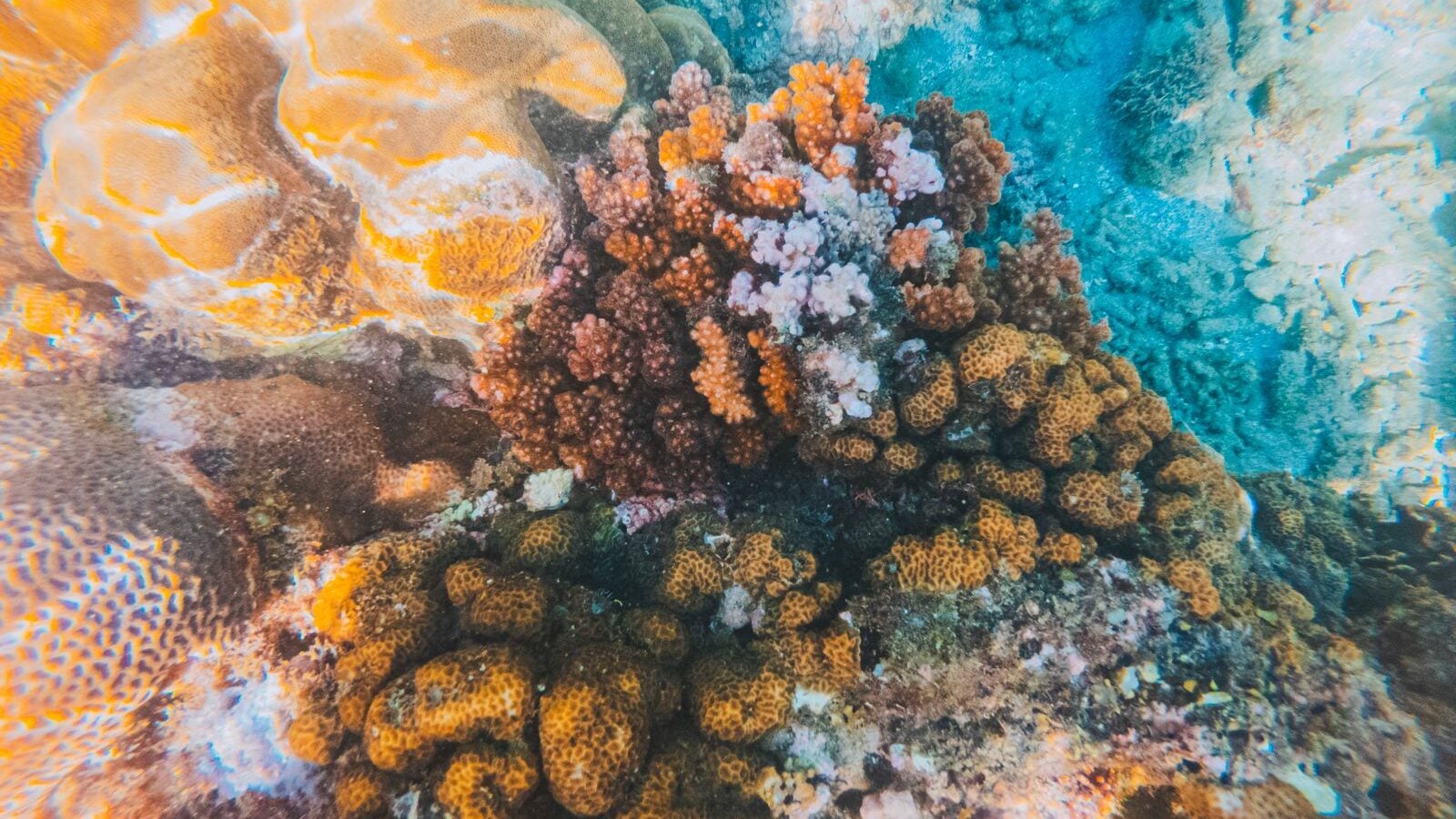
Kristina Tietjen, a coral reef researcher working out of the University of Victoria’s Baum Lab, has described the water around the Pacific island of Kiritimati this year as being unusually warm. It is a domestic image for a scientific catastrophe. The seawater around Kiritimati is currently running well above normal temperatures, and nearly half of the corals that survived the last mass bleaching event a decade ago have already started to bleach again.
That earlier event, in 2015-16, devastated the island’s reef.
What is unfolding now, according to reporting in The Atlantic, is not a repeat of that cycle. It is something the record does not yet have a name for.
Scientists monitor a large patch of the equatorial Pacific called Niño 3.4. When surface temperatures there rise above normal thresholds, an El Niño phase begins. The term “Super El Niño” describes particularly extreme warming events. Malte Stuecker, who directs the International Pacific Research Center at the University of Hawaii at Manoa, told The Atlantic that the current warming is already past the threshold for a Super El Niño, and that the peak could reach roughly twice as high.
Stuecker indicated that the current warming has already passed the threshold for what scientists call a Super El Niño, with projections suggesting the peak could reach approximately twice the threshold level.
The global average sea-surface temperature hit 21.1 degrees Celsius on a single day last week, the highest daily figure ever logged by Europe’s Copernicus Climate Change Service. That is not a regional anomaly. That is the ocean, taken as a whole, running hotter than any instrument has previously recorded.
The consequences are already visible in places most readers will never see.
Carlos Zavalaga, who runs the seabird lab at the Universidad Científica del Sur in Lima, watched dead birds wash up along the Peruvian and Ecuadorian coasts earlier this year. The Humboldt Current, which normally pushes cold, nutrient-rich water up the western edge of South America, has been displaced by the warm El Niño mass. The anchovies that feed the seabirds went with it. Peru shut down its anchovy fishery with much of the year’s quota unfilled — a decision that ripples through one of the country’s most important export industries.
Zavalaga explained that the anchovy fishing industry is facing compounding crises: avian flu devastated seabird populations in recent years, and now warming ocean temperatures are creating a second major challenge before the industry could fully recover.
The first knockout, in his framing, was avian flu, which devastated seabird populations along the same coast in recent years. The second is arriving now, in warm water.
To understand why scientists are treating this cycle differently from previous strong El Niños, it helps to think of the ocean not as a stage on which weather happens, but as a baseline. Every El Niño is layered on top of that baseline. When the baseline itself climbs — as it has, steadily, over the past four decades — a “normal” El Niño lands in a hotter starting position. The peak is higher because the floor is higher.
That is what makes the current cycle different from the 1997-98 or 2015-16 events, both of which were called exceptional in their time. Those events warmed a cooler ocean. This one is warming an ocean that was already running hot.
The distinction matters for the ecosystems that live inside the temperature margins.
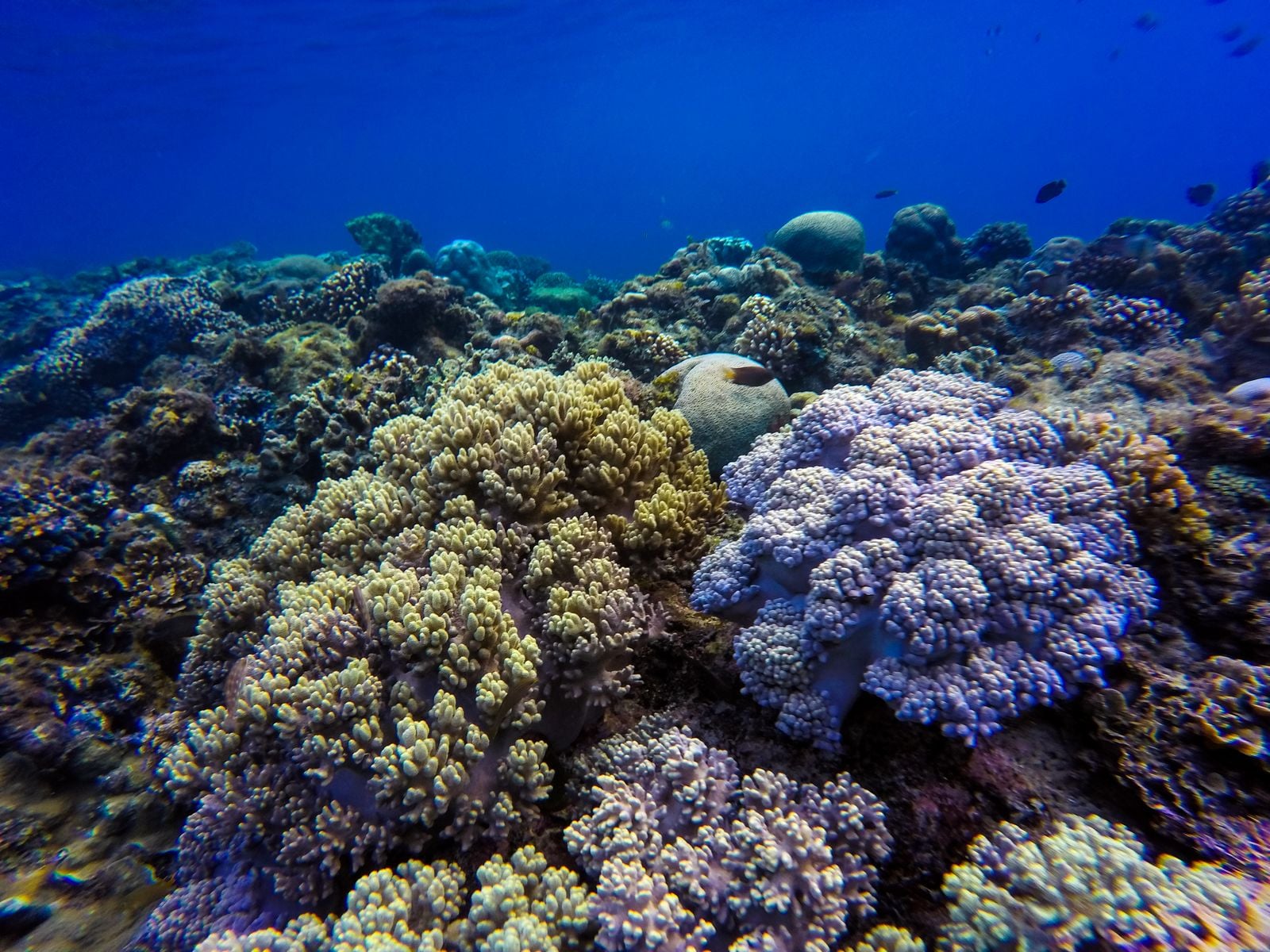
Coral, in particular, has almost no tolerance for sustained warmth. Julia Baum, the University of Victoria marine biologist whose lab has tracked Kiritimati’s reef for years, has documented that even brief periods in water above normal temperatures can trigger bleaching. Recovery from a mass mortality event takes many years under favorable conditions. The window between the 2015-16 die-off and the current bleaching is closer to ten. The reef has not had time.
Consider what this means at the level of a single working scientist. Researchers who trained in the 2000s built their careers on the assumption that reefs would recover between disturbances. That assumption is now under revision. The papers written in graduate school describe an ecosystem that no longer exists in the same form.
The scientific literature has a technical phrase for this — regime shift — but the plainer description is that a system stops returning to what it was.
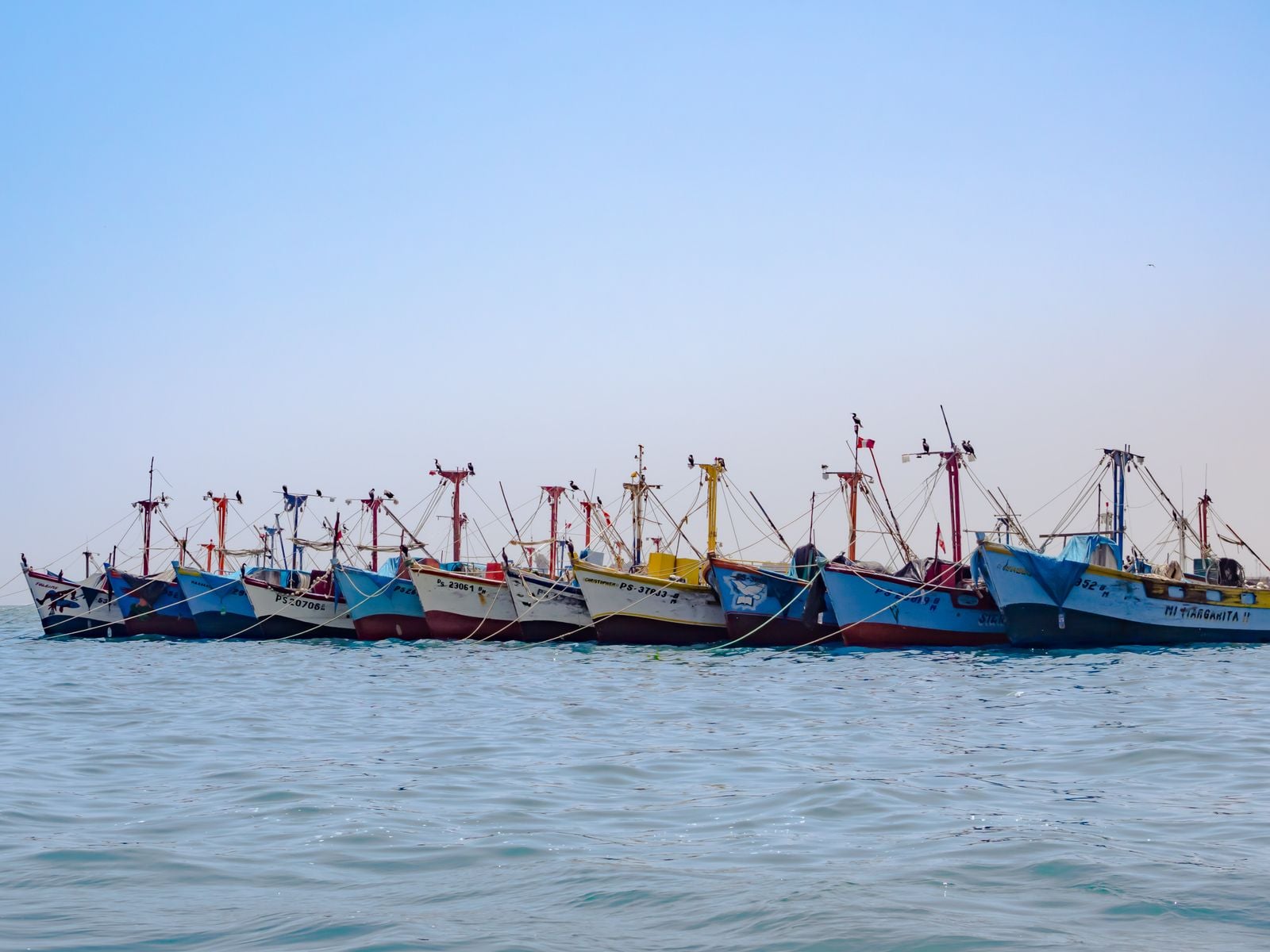
For the people who make their living from the ocean, the shift is not academic. Peru’s anchovy fishery is one of the largest single-species fisheries in the world by volume. When it closes mid-season, the effects run through fishmeal producers, port workers, aquaculture supply chains in Asia, and eventually the price of farmed salmon in supermarkets far from the Humboldt Current. The El Niño reaches into grocery bills through a chain most shoppers never see.
Meanwhile, the atmospheric side of the cycle is redistributing rainfall. El Niño years typically bring heavier rains to parts of East Africa and drier conditions to Southern Africa, Indonesia, and northern Australia. Farmers in the Horn of Africa are watching for floods; farmers in the Indian subcontinent are watching for the opposite. The pattern is familiar: a weakened monsoon in an El Niño year, and the knock-on effects on rice and pulse prices that follow.
The pattern is old. What is new is the ceiling.
Stuecker and his colleagues at the International Pacific Research Center have been careful in their public statements. They are describing a projection, not a completed event. The peak of this El Niño is expected in the coming months, and the exact magnitude will not be known until it passes. What they are willing to say, on the record, is that the trajectory is unlike anything decades of reliable data contain.
That framing matters. It is easy, in a warming climate, to treat every summer as the worst summer, and to lose the ability to distinguish an outlier from a trend. The scientists tracking this event are not saying that every future El Niño will look like this one. They are saying that this one, arriving on a hotter baseline, is producing conditions the modern instrumental record has not previously captured.
The distinction between an anomaly and a new normal is one climate reporting often collapses. The honest version is that both can be true. This cycle is an anomaly relative to the historical record. It is also a preview of what more frequent El Niños on a warmer ocean will tend to look like.
For readers watching from a distance, the temptation is to view the story as concerning distant problems. Coral reefs in Kiritimati, seabirds in Peru, anchovy quotas — these feel geographically remote in a way that a heat dome over a familiar city does not. But the ocean is the climate system’s largest heat reservoir. What it does with that heat reaches everywhere eventually, through weather, food prices, and the quiet reorganization of the ecosystems that human economies depend on.
Tietjen’s phrase — like a baby pool — is worth sitting with. It is not a scientific measurement. It is what the water felt like to someone whose job is to know reefs. A researcher standing in warm water where cold water used to be, describing it in the language of a backyard on a summer afternoon.
The instruments will confirm what she felt. They usually do.
What the reef does next is the part no one can yet answer.