
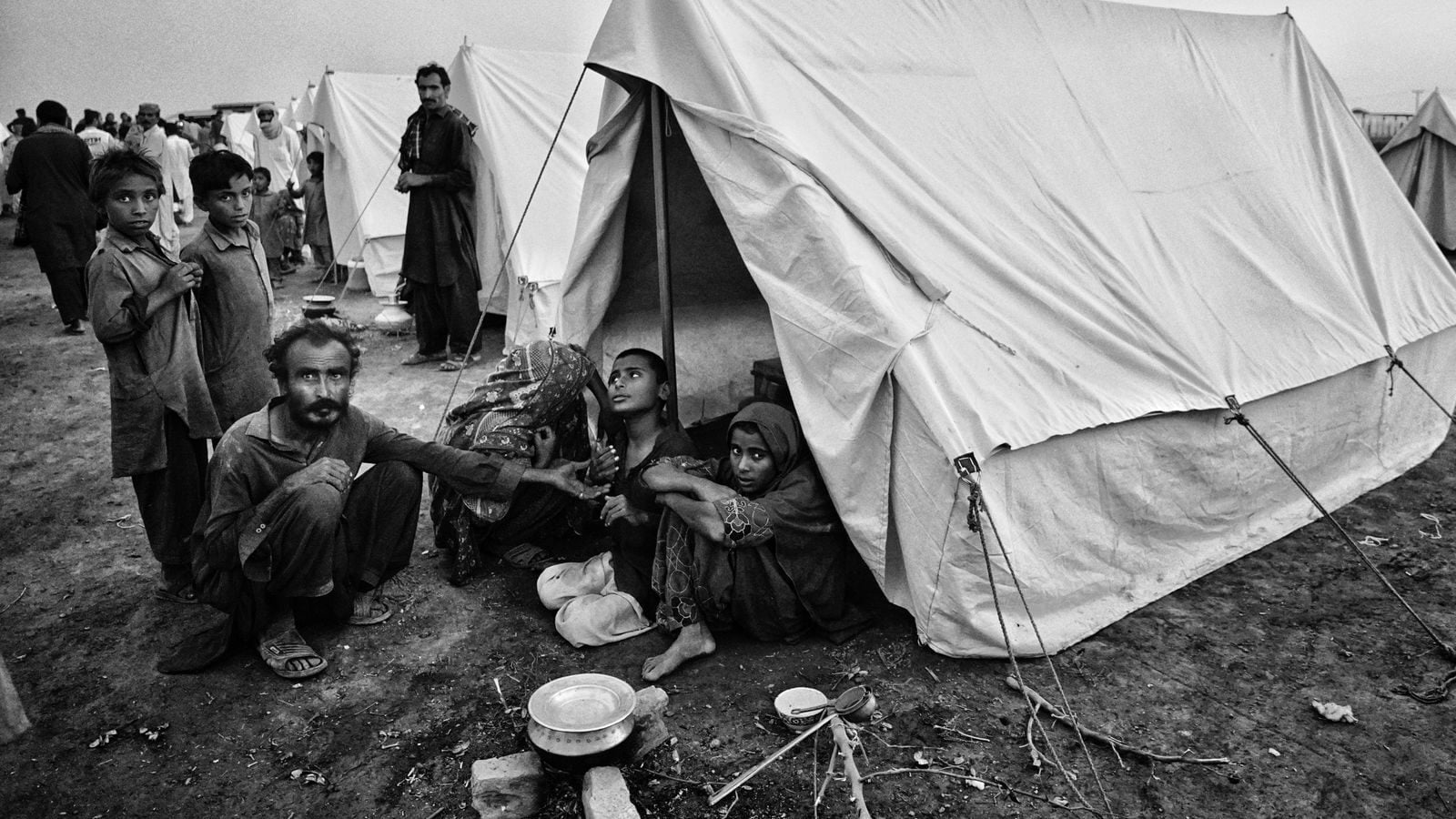
The Bab al-Mandeb is usually described in the language of shipping, energy and military strategy. In September 2026, another description became impossible to ignore: it was also becoming a refugee crossing.
Fighting along Yemen’s western coast intensified rapidly as Houthi forces seized the Red Sea port city of Mocha and expanded their hold over coastal territory and strategic islands around the strait. By September 13, the International Organization for Migration said displacement linked to the renewed fighting had reached 85,818 people, with more than 82,000 forced from their homes since the beginning of September, according to AFP reporting carried by Business Recorder.
The movement was no longer confined inside Yemen. More than 2,000 people had reached Djibouti’s shores by September 13 after fleeing the fighting, according to UN figures reported by regional and international media.
The surge happened quickly. Djibouti’s economy and finance minister, Ilyas Moussa Dawaleh, said roughly 1,400 people arrived from Yemen during a single 24-hour period. Al Jazeera reported that 500 people had earlier reached the coastal city of Obock after being rescued at sea when their boats ran out of fuel.
Obock lies roughly 20 kilometers across the water from the Yemeni coast. That distance helps explain why a strait better known for commercial shipping has become a practical escape route for families fleeing the latest fighting.

The immediate military shift was the Houthi capture of Mocha on September 10. The advance continued around the southern Red Sea coast and nearby islands, strengthening Houthi control around Bab al-Mandeb and changing the security picture on both sides of the waterway.
That offensive also drove a much larger movement of people inside Yemen. Reports described families leaving districts including Maqbanah, Jabal Habashi and al-Maafer as fighting spread across western areas.
IOM Director General Amy Pope warned that some families were being displaced for the second or third time during Yemen’s prolonged conflict. She also said humanitarian access was becoming more difficult as fighting expanded.
That distinction matters. Displacement is dangerous on its own. Displacement from areas that aid agencies are struggling to reach creates another layer of risk, particularly when families are moving with little notice and few resources.
The geography makes the humanitarian and strategic stories difficult to separate. Bab al-Mandeb connects the Red Sea with the Gulf of Aden and sits on a major route between Europe and Asia.
The U.S. Energy Information Administration describes Bab al-Mandeb as a major world oil-transit chokepoint. EIA data show that its oil flows have risen sharply during 2026 as regional conflict altered normal shipping patterns, although it is not the world’s single busiest chokepoint.
The same geography that gives the strait international strategic value also makes Djibouti one of the closest destinations for civilians leaving Yemen’s western coast by sea. The route is short, but the crossings can still become dangerous when small vessels are overcrowded, poorly supplied or short of fuel.
Djibouti was already hosting a substantial displaced population before the latest arrivals. UNHCR data updated to March 31, 2026 list 26,101 refugees and 10,263 asylum-seekers in the country, with Somalia, Ethiopia and Yemen among the main countries of origin.
The sudden arrival of thousands more people therefore places additional pressure on reception, registration, food, water, shelter and health services around Obock. That pressure is real without assuming that Djibouti’s national capacity has already been exhausted.
IOM humanitarian response coordinator Safiya Ibrahim told AFP that women and children were among those reaching Obock and that further arrivals were expected. The careful wording matters because the situation was still changing rapidly and the final scale of the movement was not yet known.
The military picture was equally fluid. Houthi forces had made major territorial gains, but fighting continued between the group and forces aligned with Yemen’s internationally recognized government. Any description of the territorial situation therefore needs to remain tied to a specific date rather than treating the current map as permanent.
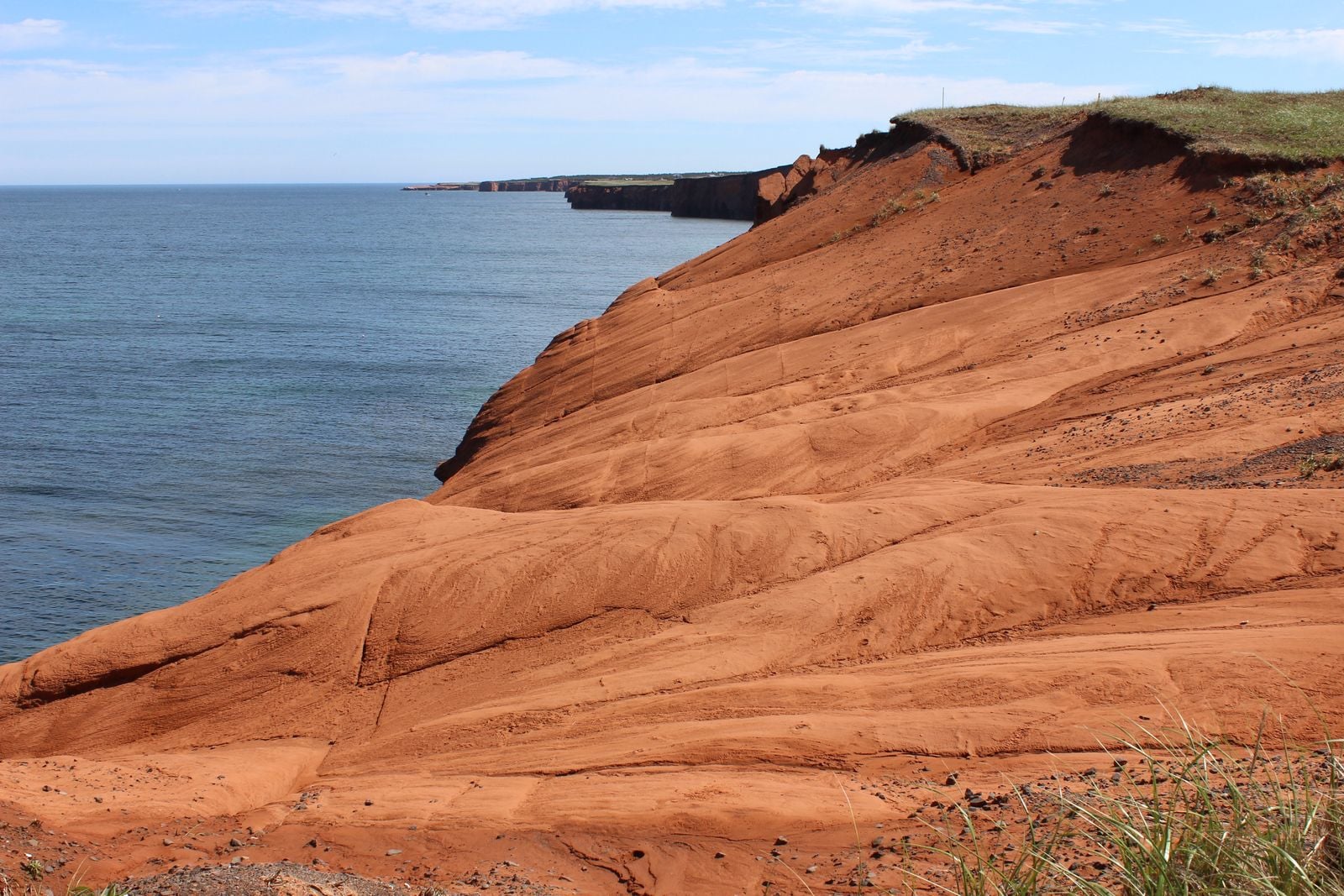
The new wave of displacement also sits inside a much longer crisis. Yemen’s war has repeatedly uprooted civilians since 2015, leaving some families to move more than once as front lines and zones of relative safety have shifted.
That history helps explain why another sudden offensive can produce large movements so quickly. Households displaced for a second or third time may have fewer savings, fewer safe relatives to stay with and fewer belongings they can carry when they leave.
The arrival process in Djibouti then turns a regional war into a series of immediate local problems: rescuing boats, registering arrivals, supplying drinking water, providing shelter and identifying people who need medical care.
At the same time, Bab al-Mandeb remains a waterway watched closely by shipping companies, governments and energy markets. The Houthi advance has increased their ability to influence security around a route already affected by years of attacks, diversions and higher insurance costs.
Those commercial consequences should not be confused with the humanitarian story, but neither can they be separated entirely. A military force gaining control around a strategic maritime passage changes calculations for commercial traffic at the same moment civilians are using that passage to escape.
That convergence is what makes the September 2026 movement different from a conventional account of displacement inside Yemen. A coastal military advance, a globally important waterway and a receiving country facing thousands of sudden arrivals are unfolding within the same narrow piece of geography.
The numbers also show how quickly an early snapshot can become obsolete. The figure of roughly 1,400 arrivals during one 24-hour period remained accurate as a description of that period, but by September 13 the cumulative number reaching Djibouti had already exceeded 2,000.
Inside Yemen, the same acceleration was even more striking. The 46,000-person displacement estimate reported earlier in the week was overtaken within days as IOM’s count rose to 85,818.
Those revisions are not statistical housekeeping. They show how fast civilians were moving as the western front changed.
For Djibouti, the immediate challenge is receiving people who have crossed the water with little certainty about when they can return. For Yemen, the larger question is how far the renewed fighting will spread and whether humanitarian agencies can continue reaching the communities caught between advancing forces.
And for the rest of the world, Bab al-Mandeb now carries two kinds of traffic that expose the same crisis from different directions: commercial vessels calculating the risk of entering the strait, and small boats carrying families trying to get out.