
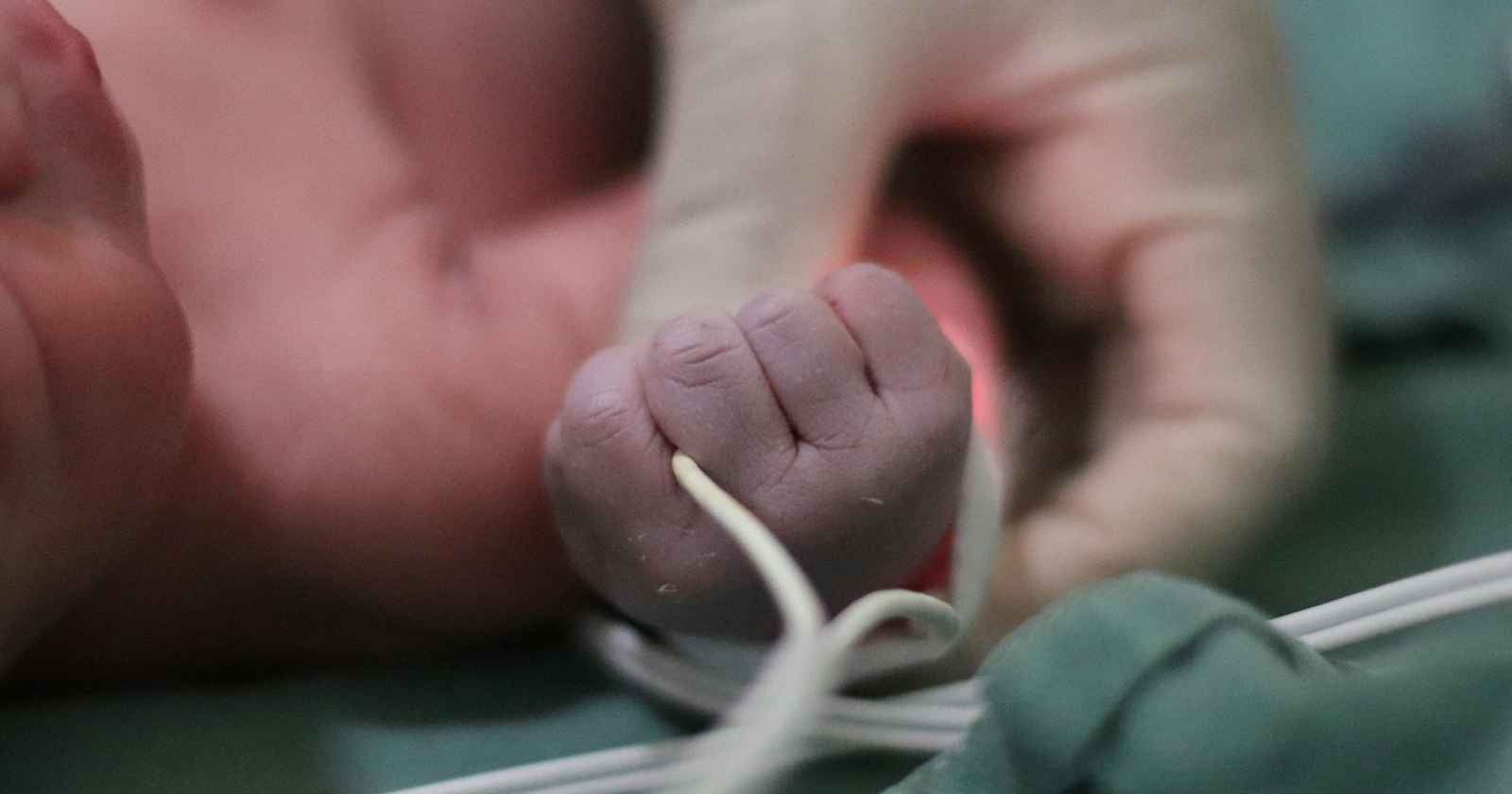
A newborn’s death in Lancaster County, Pennsylvania has become a proxy war over what counts as a measles death, waged over the heads of parents who will never read a single word of it. The father, an Amish farmer identified only as John in The Atlantic’s reporting, does not follow the news. He does not know that the Health and Human Services secretary has accused his governor of fabricating his son’s death for political gain. He knows his wife caught measles while pregnant, spiked a fever of 102, and their baby did not survive.
According to reports, the father expressed resignation about the loss, believing it was part of a divine plan. According to reports, the father expressed a belief that the loss was divinely chosen.
The rest of the country is having a louder conversation.
In early August, Pennsylvania Governor Josh Shapiro announced the state’s first two measles-associated deaths in 35 years, both from Lancaster County, home to the largest Amish community in the United States. One was an adult. The other was John and Anna’s newborn son. Shapiro framed the deaths as a public health warning. Robert F. Kennedy Jr., now serving as HHS secretary, suggested the deaths may have been fabricated and criticized what he characterized as using disease fears for political purposes.
The technical dispute is real. Lancaster County Coroner Stephen Diamantoni told reporters his forensic pathologist was “adamant” that the infant’s death was caused by a traumatic rupture of the spleen, not measles itself, even though the baby tested positive for the virus. On that narrow forensic point, the coroner and the HHS secretary agree. On what the point means, they do not.
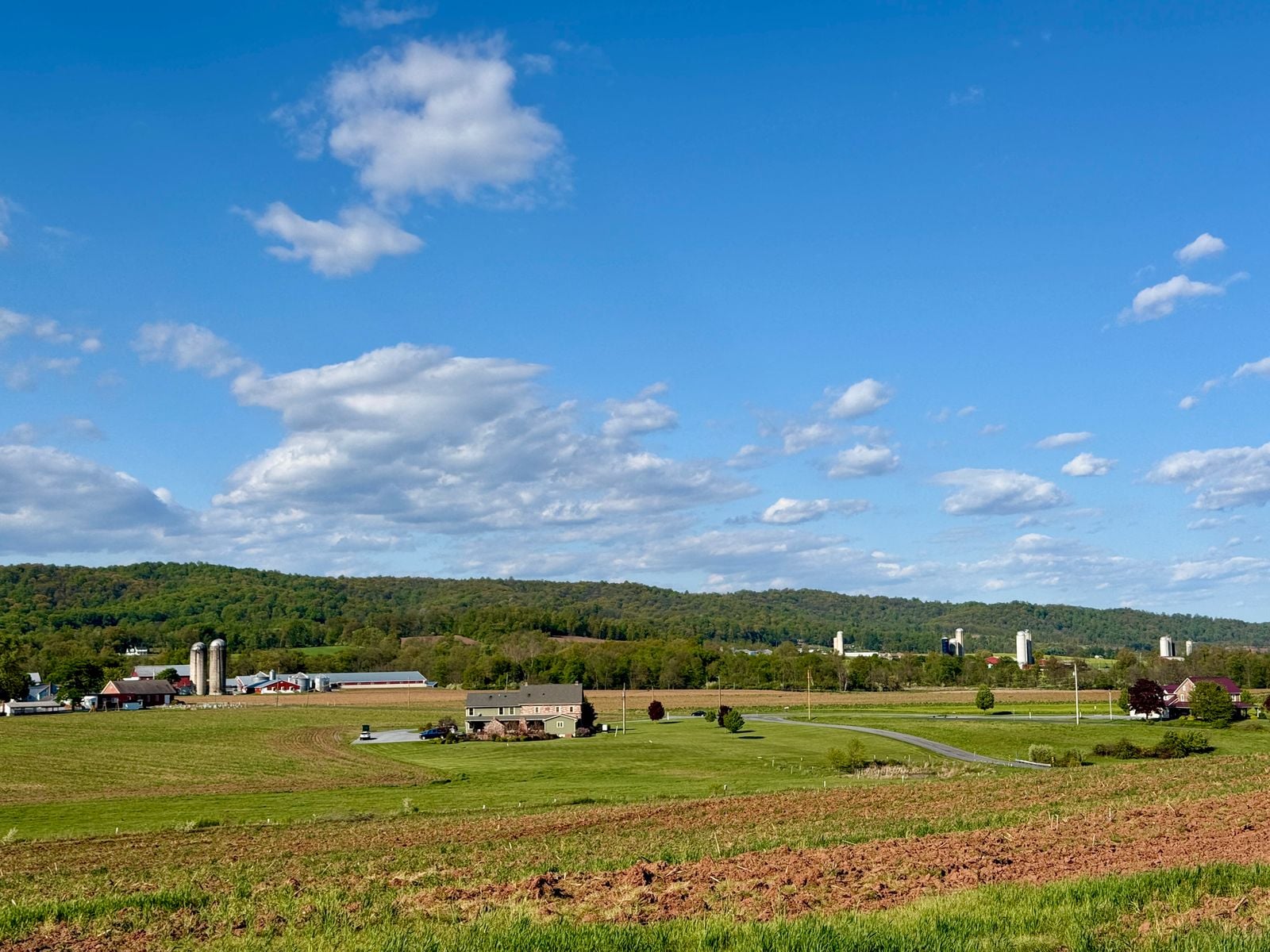
Consider how a story like this travels. A rural family with 13 children, living on a 45-acre property for the past 20 years, does not experience any of the national argument. A political operative in Washington experiences almost nothing else. A public health official in Harrisburg sits somewhere in the middle, trying to explain to a reporter why a measles infection during pregnancy might reasonably be listed as contributing to a newborn’s death even when the immediate cause on the certificate reads differently.
Severe maternal measles infections cause preterm labor, low birth weight, and a cascade of complications for the newborn. The CDC’s clinical guidance lists measles as a serious pregnancy risk. Whether a specific baby’s death is attributed primarily to measles complications or to birth trauma following maternal measles infection is a question of medical coding.
That distinction, though, is exactly the seam that a political argument can pry open.
The reframing pattern is not new. In previous outbreaks, anti-vaccine activists have argued that measles deaths were actually caused by pneumonia, or encephalitis, or malnutrition, or dehydration — as if these were freestanding events rather than the mechanisms by which measles kills. Measles rarely kills by measles alone. It kills by suppressing the immune system, by inflaming the brain, by triggering secondary infections. Every measles death is, in some technical sense, a death from something else.
Which means every measles death is available for relitigation.
In medical experience, an infant born to a mother in the acute phase of a severe viral infection is a fragile infant, and fragile infants die of things that would not kill a healthy one. The coroner’s language and this clinical reality can both be true at once. Only one of them is useful to a political argument.
The Amish vaccination gap is real and consequential. According to Pennsylvania’s state health department, only 25 percent of the Amish community in Lancaster County received the MMR vaccine last year. Lancaster County has recorded 210 measles cases so far this year. That is not a statistical curiosity. It is the arithmetic of an outbreak.
Kennedy has a specific history with this community. In 2021, Kennedy publicly praised Amish lifestyle and health practices. He has recommended vitamin A and chicken soup as measles treatments, positions that sit outside standard clinical guidance. The community he holds up as a model is now at the center of the largest US measles outbreak in years.
None of which the affected parents know.
This is the part of the story that resists commentary. The Amish family whose child died is not a participant in the debate over their child’s death. They do not read news coverage. They do not watch cable. They will not see the HHS secretary’s remarks or the governor’s response or the coroner’s clarification. Their grief is theirs. The argument is everyone else’s.
Families in neighboring Amish communities know the affected household. What travels between them is not the political framing but the medical fact: a mother got very sick, and her baby died. Whether the state records it as a measles death is a question the community will not ask, because the community does not need the answer to make sense of what happened.
The rest of the country needs the answer, though. Because the answer determines whether the outbreak counts as a warning or a nothing.
Public health data is not neutral in a polarized environment. Every death certificate is a claim about causation, and every claim about causation is now available for challenge by anyone with a platform. The coroner said what he said. The governor said what he said. The HHS secretary said what he said. The parents, who lost their son, said almost nothing at all.
There is a version of this story where the coroner’s clarification is a correction to a governor’s overreach. There is a version where the HHS secretary’s response is a cynical exploitation of a forensic footnote. There is a version where both are partially true. What is not up for debate: 210 cases in one county, a 25 percent MMR rate in the community driving most of them, and a newborn who died after his mother caught the virus while pregnant.
The technical question of what killed the baby is answerable. The larger question — whether measles is a serious enough threat to warrant the vaccine that would prevent it — is the one the political argument is really about. And on that question, the coroner’s report on one infant’s spleen does not carry the weight it is being asked to carry.
John and Anna have 13 children and a farm. They have a faith that tells them their son was chosen, this time, by something larger than a virus or a vaccination rate. They will keep farming. The outbreak will continue or it will not. The argument about their child will continue whether they participate in it or not.
A family lost a baby. A state recorded a death. A country argued about the paperwork.