
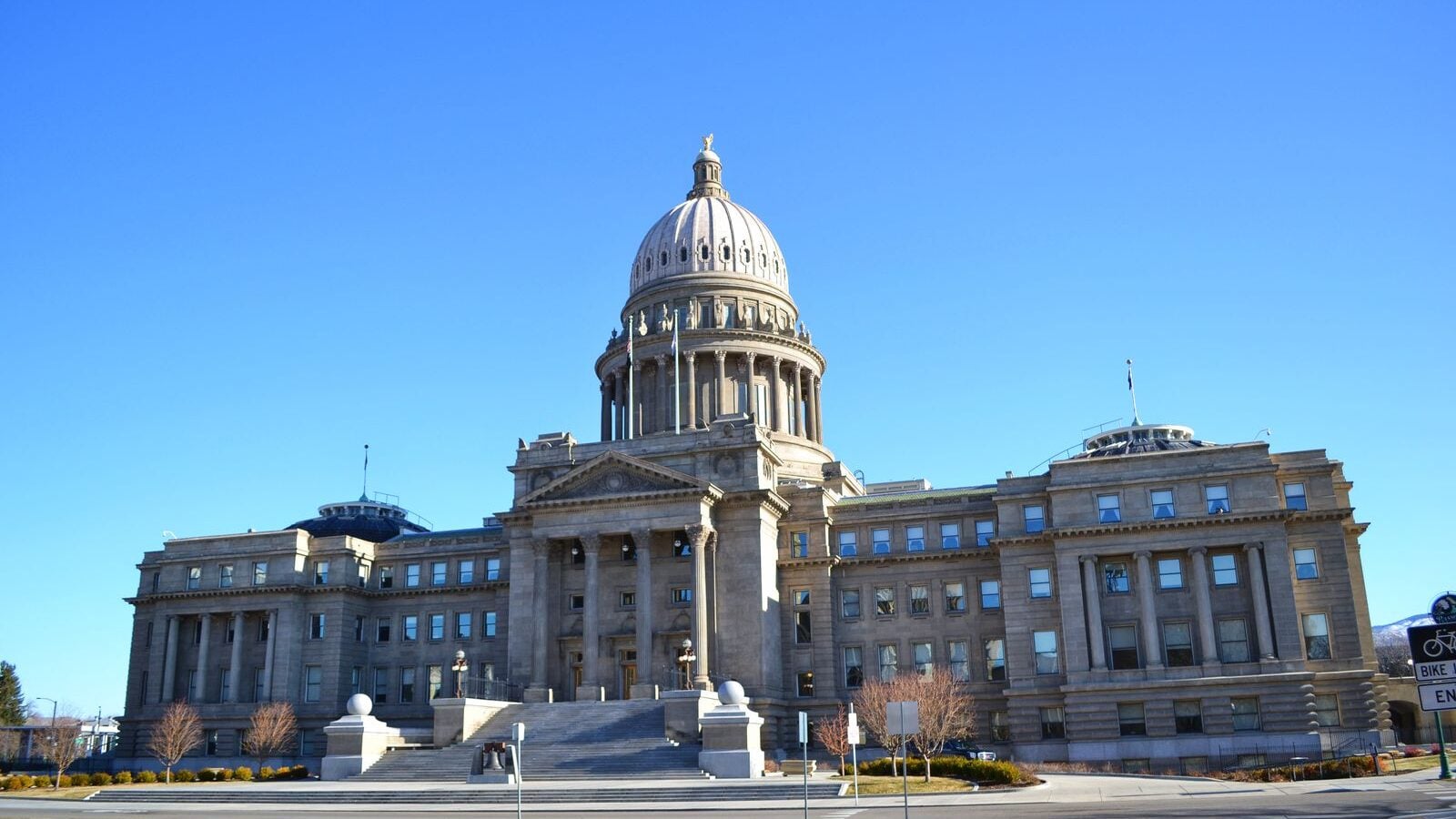
Oregon Gov. Tina Kotek stood outside the state Capitol on Sept. 8 and told a crowd of roughly 100 demonstrators she now supports a statewide moratorium on new data centers — a sharp break from the cautious posture she had held for most of her term. At the same rally, she issued an executive directive pausing state agencies from processing any unapproved land deals, easements, leases, or permits tied to data center projects on state-owned property through July 1, 2027.
The order does not stop private data center development. It applies only to state land and state buildings, and Kotek’s release stated that the state currently lacks authority to enact a statewide moratorium on data center development, requiring legislative action. That will require the Legislature, which convenes next year.
In other words: the governor endorsed a policy she cannot enact, in the middle of a reelection race, before her own advisory committee has finished the analysis she said she wanted.
What the order actually does
Kotek directed state agencies to halt work on easements, rights-of-way, leases, rentals, land-use permits, and sales or transfers of state-owned property for data center projects, according to the governor’s office. Agencies were given until Sept. 14 to report back on any pending requests they had frozen.
How many projects that actually captures is not yet public. A Kotek spokesperson, Luke Harkins, told reporters the office could not say more until agencies filed their status reports. The signed order is a narrow administrative pause. The moratorium she says she supports would need a bill.
The rally’s organizers — a coalition that includes Food & Water Watch, Oregon Rural Action and Columbia Riverkeeper — are pushing something broader: a three-year statewide pause called the Responsible Data Center Development Act, which would apply to private land as well. Kotek said she supports a moratorium to ensure that any data center development is done on the state’s terms.
That gap — between what she signed and what she endorsed — is the whole story. It lets Kotek stand with the activists at the Capitol steps without actually stopping a single private project, and hands the hard vote to legislators who won’t take it up until after voters have already decided her race.
The tax break number driving the fight
Oregon has roughly 144 data centers, according to figures presented to the House Interim Climate, Energy, and Environment Committee on the same day as the rally. Reporting in The Oregonian/OregonLive, cited during that hearing, put the property tax breaks flowing to those facilities at at least $450 million this year. Chris Allanach, who leads the nonpartisan Oregon Legislative Revenue Office, told lawmakers the figure was close to his office’s own working numbers.
That $450 million is the number Kotek cannot ignore and cannot fully embrace. Property tax breaks used to attract data centers have faced growing opposition among Oregon voters, but they are also underwriting county budgets and construction payrolls she needs to defend.
Kotek signed a bill earlier this year pausing tax breaks under one state incentive program — a measure she initially opposed. She has also repeatedly said Oregon cannot offer overly generous terms to hyperscalers.
Oregon is not the only state where the arithmetic of these subsidies has become politically radioactive. DMNews has tracked the same fight playing out in Ohio, where the sales tax exemption cost the state nearly $1.6 billion last year, and in Louisiana, which locked in $81.6 billion in announced investment under a 20-year exemption without publishing the revenue it gave up.

Localities moving faster than the state
The reason Kotek had to move at all is that Oregon cities and counties were already moving without her. Morrow County, on the Columbia River, is the clearest example of what is at stake: Amazon’s cluster there is the county’s dominant taxpayer, and local officials have spent a decade building schools and services around that revenue. A statewide moratorium is not an abstraction to a rural commissioner whose budget depends on the next build.
Construction trades feel the same pressure. The Pacific Northwest Regional Council of Carpenters and other building unions have consistently backed data center projects as steady work in a slowing construction market, and their members are exactly the voters Kotek needs.
Meanwhile, the west side has been racing ahead of Salem. Hillsboro’s City Council approved the state’s first local data center moratorium earlier this summer. Kotek intervened in March to block a proposed data center on Department of Corrections land in Salem; the developers behind that project then filed plans for a data center on privately owned land, timed just ahead of a Salem City Council special meeting on a citywide moratorium.
That sequence — Hillsboro acting, state land blocked, private land pursued, Salem preparing its own vote — is why the governor could not keep waiting on her advisory committee. If she did nothing, the map would be drawn by city councils. Her order is a bid to reclaim the frame without alienating Morrow County or the carpenters.
The POWER Act and the opponent
The governor’s stated rationale, per the order’s release, is that rapid data center growth should not shift utility and infrastructure costs onto Oregonians. That connects to the 2025 POWER Act, which allows state regulators to set special rates for high-volume energy users. Kotek has criticized Republican gubernatorial opponent state Sen. Christine Drazan for voting against that bill.
Drazan told OPB on Aug. 25 that she would not roll back existing data center tax incentives, and has attacked Kotek for having historically supported them. A formal Drazan policy platform on data centers is expected. That is the race Kotek is running in: an opponent defending the status quo from the right, and an activist coalition demanding she break with it from the left.
The electoral math
Kotek’s Data Center Advisory Committee was originally scheduled to deliver a draft cost-benefit report in mid-September and a final report in October. That timeline has slipped. The committee will now issue a preliminary document on learnings and questions this week and send recommendations to the governor by year end, per Harkins.
Which means the Legislature will convene in 2027 to consider a statewide moratorium without the finished analysis Kotek had said she wanted before taking a position. She has taken the position anyway.
The shift in the governor’s public stance arrives in the middle of a reelection race in which data centers have become a defining issue. And here is the Direct Message: Kotek signed an order that satisfies activists symbolically while changing almost nothing on the ground, and she is now campaigning on her support for a statewide ban she is asking someone else to write, after voters have already cast their ballots. The demonstrators outside the Capitol got a governor on their side. What they did not get was a moratorium.