
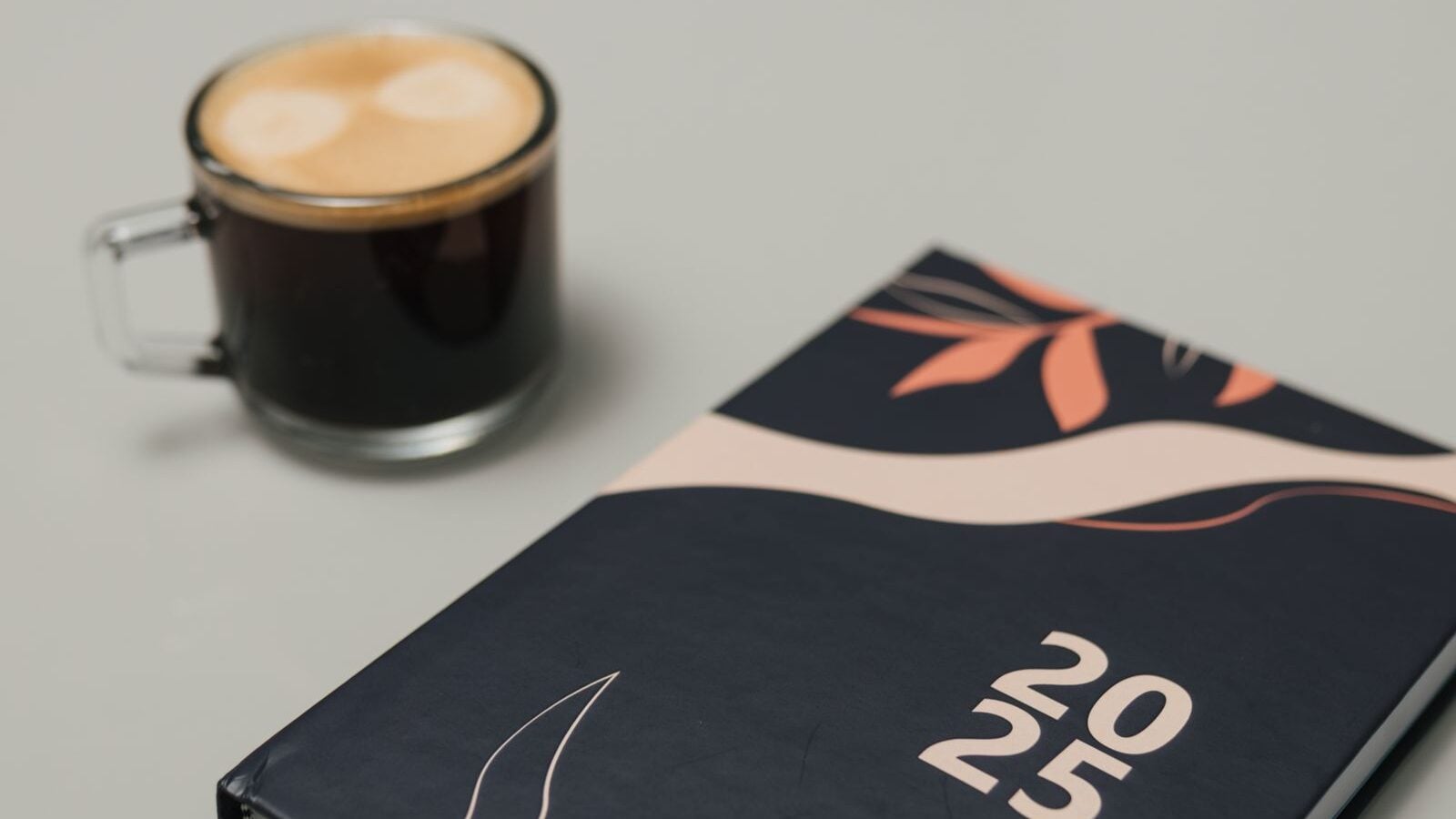
The cultural script around black coffee runs something like this: the person who orders it without sugar or milk is disciplined, focused, tougher than the rest of us. A little grim, maybe, but serious. The oat milk latte drinker beside them at the counter is softer, less committed, more indulgent. The judgement is quick and mostly unconscious, and almost nobody would defend it out loud. But the assumption sits there, quietly shaping how people read each other in cafés and offices.
That script is largely wrong. Not because black coffee drinkers aren’t sometimes focused people. Some of them are. It’s that the focus and the coffee aren’t linked in the way the shorthand suggests. Reading the research carefully, the picture that emerges is stranger, smaller, and a lot more human than the mythology allows.
What black coffee actually signals is closer to biography than character. It says something about a person’s early exposures, their liver, and the way their brain learned to read bitterness. It rarely says what people think it says about their willpower.
Ask a longtime black-coffee drinker why they take it that way and most will say some version of “I just like the taste.” What they usually can’t tell you — because they don’t know it themselves — is that people who taste caffeine’s bitterness most intensely often drink more coffee, not less, through a learned association between bitterness and stimulation. Bitterness stops being a warning. It becomes a cue.
That is not what discipline looks like. That is conditioning.
Still, if you spend enough time watching the people who take their coffee black with zero sugar, patterns do emerge. Not because the coffee makes them a certain way. Because certain kinds of people are, for a mix of biological and biographical reasons, more likely to end up drinking it. What follows is a reading of those patterns, drawn from the research where it exists and from observation where it doesn’t. This is one thread of evidence, not settled consensus, and none of it is a diagnosis of anyone.
The first pattern is a comfort with unpleasantness that isn’t the same as toughness. Bitterness is, evolutionarily, a warning signal. People who override that signal repeatedly — for the reward on the other side — tend to be people who have made peace with small daily discomforts elsewhere too. Cold showers. Long runs. Difficult conversations they would rather avoid. It reads as grit from the outside. From the inside it often feels more like a habit of not flinching.
The second is a preference for signal over noise. Milk and sugar smooth coffee out. They soften the edges of what is actually in the cup. Black coffee drinkers tend to be people who would rather have the unmediated version of a thing — the raw draft, the unedited email, the friend who tells them the truth. This is not always a virtue. It can shade into a low tolerance for the ordinary social lubrication that most relationships require.
It shows up in specific, recognisable ways. The colleague who is blunt in a way that’s useful in a negotiation and exhausting in a meeting is, often enough, also the four-cups-a-day black coffee drinker at home — and the people closest to them have usually spent years quietly translating their sentences into softer ones for everyone else. Nobody involved thinks the coffee is doing anything. But the same temperament that strips the coffee down tends to strip the conversation down too, and both preferences usually arrived early and simply stayed.
The third pattern is routine dependence dressed up as autonomy. People who drink black coffee tend to drink a lot of it, and they tend to drink it at the same times, in the same mugs, in the same order of operations. There is a strong ritual element that gets misread as self-mastery. Habitual coffee drinkers show distinct patterns of brain activity compared with non-drinkers, particularly in regions involved in alertness and awareness of internal bodily states. This doesn’t make coffee drinkers sharper or more disciplined. It describes brains that have been shaped by a daily pharmacological input. That is a description, not a compliment.
The fourth pattern is a slightly higher tolerance for solitude. Coffee, taken black, is a solo drink in a way that a frothed, sweetened version is not. It doesn’t invite the same social scaffolding. People who default to it often turn out to be people who are comfortable being alone in public — reading at a counter, working from a corner table, taking their break outside without needing company. Many café-goers actively manage their exposure to others in shared spaces, and a lot of black coffee drinkers do this without thinking about it.
The fifth is a form of sensory conservatism that hides in plain sight. Black coffee drinkers often eat the same breakfast for years. Wear variations of the same outfit. Return to the same three restaurants. The palate that resists sweetness in the cup often resists novelty elsewhere. This is not the adventurousness the cultural script implies. It is closer to the opposite — a settled preference for the known.
This turns up often in high-pressure caregiving work. A nurse who takes the same black coffee at the same two points in every shift, year after year, and orders the same lunch from the same shop for over a decade, isn’t usually chasing discipline. Acquaintances tend to read the routine as hard-charging; the people who actually know her understand it as one of the few ways she keeps her days predictable enough to absorb a job that rarely is.
The sixth pattern gets into more uncomfortable territory. A survey of roughly 1,000 Americans on bitter taste preferences found a small correlation between endorsing bitter foods broadly — coffee, dark chocolate, tonic water, radishes — and scoring higher on measures of what researchers called malevolent personality traits. The finding got sensationalised into headlines suggesting black coffee drinkers were psychopaths. That is not what the paper showed. What it showed was a small statistical uptick, in one survey, using self-report. It is one study, not consensus, and it should be read with the caution any single correlational study deserves. But the pattern — that a preference for the harsh, unsweetened version of things correlates weakly with a lower need to be pleasant — is not nothing.
The seventh is a difficulty with softness, both received and offered. This is observational rather than research-grounded, but it shows up often enough in the lives of habitual black coffee drinkers to notice. People who strip their coffee of anything that would make it easier to drink often have the same relationship to compliments, apologies, and expressions of care. They receive them briskly. They give them briskly. It is not coldness, exactly. It is a discomfort with the softer registers of social life. Some of the patterns that emerge in adults who grew up in households where every choice had to be defended overlap here — a wariness of the ornamental, the excessive, the sweet.
The eighth pattern is a tendency to conflate self-denial with virtue. Black coffee drinkers are often the same people who eat lunch at their desks, skip breakfast on purpose, and treat rest as something to be earned. The coffee is one node in a wider habit of removing pleasant things from the day and calling that focus. Sometimes it is focus. Sometimes it is a quieter refusal to be kind to themselves. The two are not the same, though they can look identical from the outside, and even from the inside for a long time.
This pattern shows up often in high-autonomy, high-control professions, where taking pride in needing very little is treated as a feature of the job rather than a cost. It sometimes takes an outside voice — a doctor, a partner, a friend — pointing out that the austerity is doing something other than making the person effective, before the habit of skipping lunch gets questioned at all.
The ninth pattern is the most interesting and the least discussed. Black coffee drinkers tend to be people who trust the reliability of their own signals. When they feel tired, they drink coffee and expect the tiredness to lift. When they feel hungry, they eat and expect the hunger to go. Their internal thermostat is loud and treated as accurate. That confidence in one’s own read of one’s own state is a real trait, and it can be a strength — but it can also make a person less curious about what their body is actually telling them. The coffee works, so they don’t ask why they need it. The tiredness lifts, so they don’t ask where it came from.
None of these nine patterns is destiny. Plenty of black coffee drinkers are gentle, sociable, adventurous eaters who cry easily and give lavish compliments. Plenty of oat milk latte drinkers are austere disciplinarians. The coffee is a small tell, not a diagnosis, and the correlations that exist in the research are modest at best. This is not a diagnosis. It is a way of describing a common pattern.
What the research does say clearly is that the popular story — black coffee as a badge of mental toughness — has very little behind it. What it has behind it is a faster liver, an early exposure, and a brain that learned, through repeated positive reinforcement, to read bitterness as the front edge of a reward. The rest is personality patterns that co-travel with that biology in ways that are interesting but not deterministic.
The persona we build around small daily choices — what we drink, how we order it, how we hold the cup in a meeting — tends to be more revealing than the choice itself. The person who orders a black coffee in front of colleagues and a caramel latte alone at the weekend is telling you something. So is the person who genuinely, without performance, prefers the unsweetened version at every hour of every day.
What that second person is telling you is not that they are tougher than the rest of us. It is that somewhere, a long time ago, their body decided that bitterness meant good things were coming. And a set of small preferences arranged themselves around that early lesson, quietly, over years, until they became the thing we now call a personality.
The cup was never the character. The cup was the receipt.