
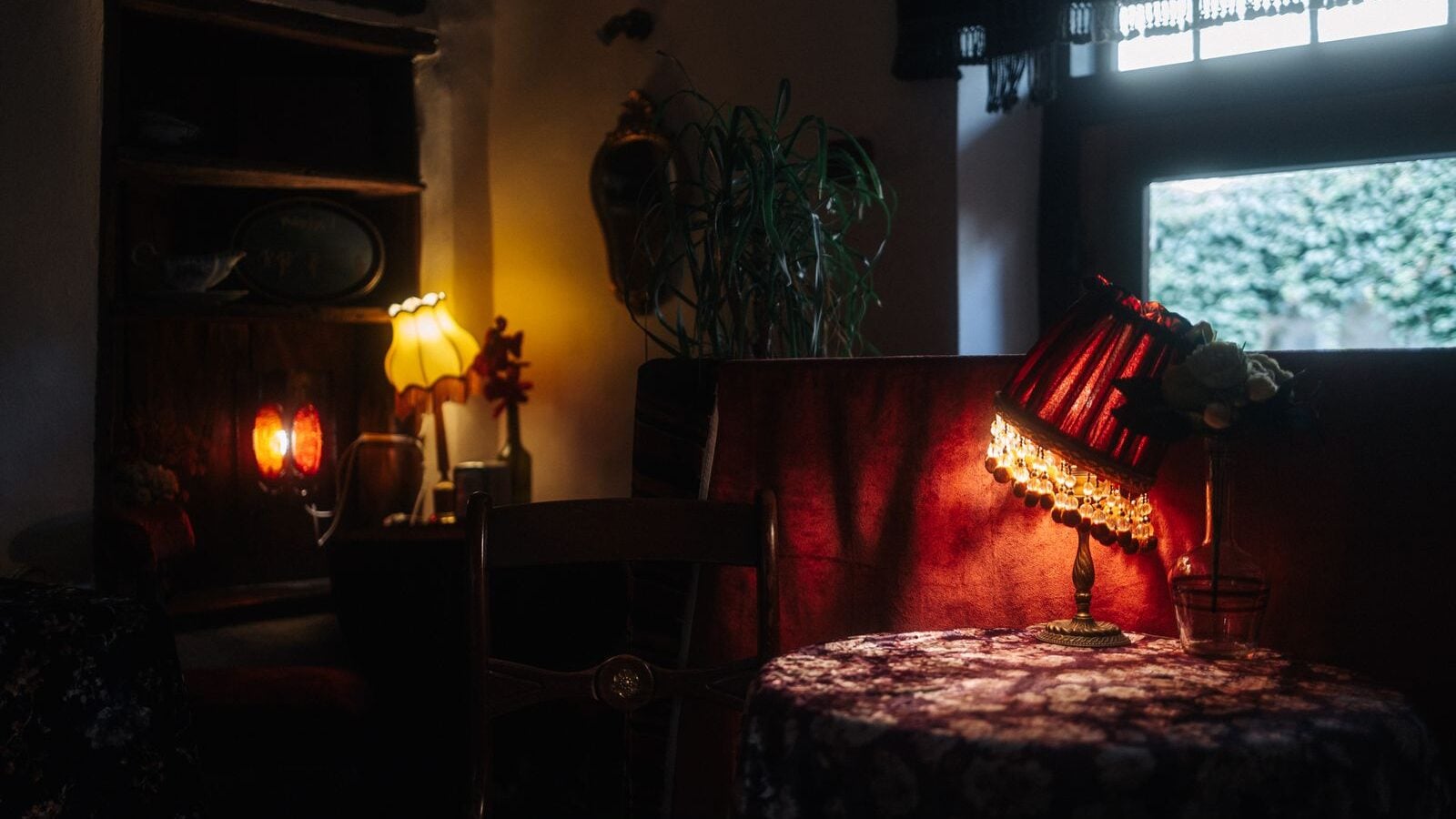
For a specific kind of person, the sadness that shows up on Sunday evening has nothing to do with the coming week. It arrives right as an unstructured afternoon ends — not as dread, but as something quieter and harder to name. It feels like something is ending that hadn’t quite been noticed beginning.
The day itself is often unremarkable: a novel read start to finish, a walk with no destination, a phone left to die without being charged. Nothing anyone asked for. Then, as the light goes gray outside the window, the edges of something like grief show up, uninvited.
The standard explanation for Sunday evening sadness has always been anticipatory. Many workers describe experiencing what’s commonly called the Sunday scaries — a sense of dread, nervousness, sadness or anxiousness about the upcoming week. The framing is always forward-facing. You are afraid of Monday. You are dreading the meeting. You are catastrophizing the inbox.
But that framing does not quite fit this experience, or the experience of a growing number of people who describe their Sunday feeling as something softer and sadder than fear.
What if the sadness is not about Monday at all. What if it is about Sunday ending.
Consider the shape of an ordinary week for most working adults. Monday through Friday, the body and mind are conscripted. Deadlines, calls, expectations from bosses, expectations from colleagues, expectations from clients. Saturdays are often only nominally free; they fill quickly with errands, obligations, the maintenance work of a life. Then, for a small window on Sunday — usually the middle of the day, sometimes stretching into the afternoon — nobody expects anything from anyone. And that window closes.
The grief is real. It is not for Monday. It is for the version of yourself that got to exist for a few hours when no one was asking for output.
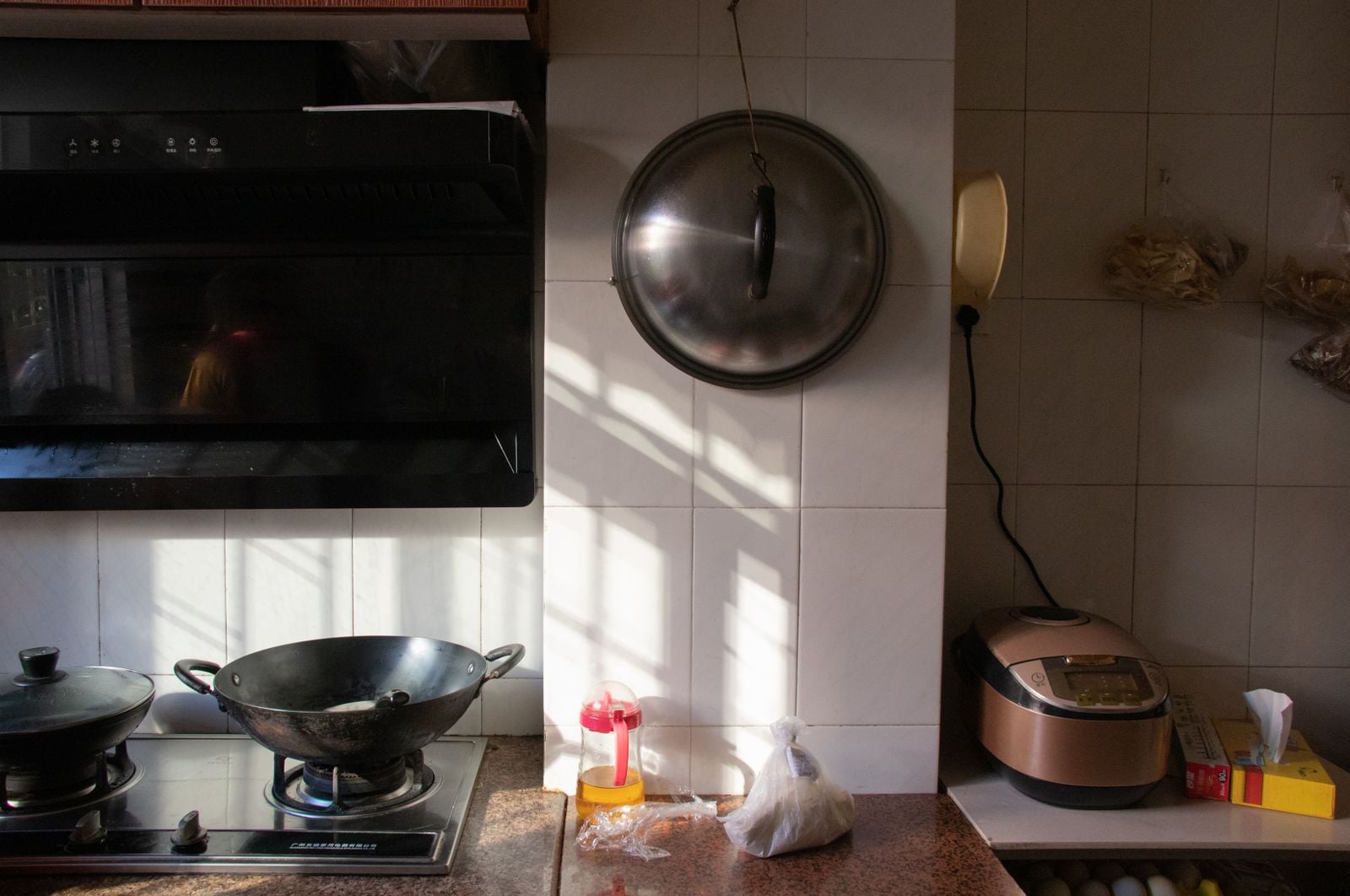
Some people describe this feeling as a kind of mourning for their own company — the loss of time spent with oneself without external demands. One recognizable version of it: a quiet Sunday morning in a coffee shop with a book, no messages answered, nothing planned, nothing owed to anyone. By late afternoon, a heaviness sets in that many people spend years attributing to work anxiety. Looked at more carefully, though, the heaviness often shows up before anyone has thought about work at all. It shows up the moment the book closes.
The distinction matters because it changes what you might do about it. The conventional Sunday scaries advice is essentially managerial: prepare for the week, set boundaries, plan Monday morning so it feels less daunting. That advice assumes the problem is future-oriented. If the problem is actually about the loss of unstructured time, no amount of Monday preparation will touch it. You cannot organize your way out of grief.
The pattern shows up most sharply in people whose lives are heavily scheduled around other people’s needs. Parents of young children. Middle managers. Caregivers for aging parents. Anyone whose weekday identity is defined largely by what they produce for others. For these people, Sunday afternoon is often the only sustained period in a week when the self exists without a job to do.
There’s research suggesting that self-compassion — how kindly a person treats themselves, especially under stress — can have a real protective effect on mental health. A study from Arizona State University’s Department of Psychology found that parents who responded to their own stress and mistakes with more self-kindness developed fewer depressive symptoms over the following year. That study isn’t about unstructured time specifically — but the underlying idea travels. How gently a person treats themselves when no one is watching seems to matter for what happens to them later. If Sunday afternoon is the one stretch of the week when someone can be gentle with themselves without an audience or a job to do, losing that stretch may cost more than the hours themselves.
When that window closes — when the emails start again, when the mental rehearsal of the week begins, when the small window ends — some people register the loss as anxiety. Others register it as sadness. Some register it as both.
There is another layer to this that has nothing to do with the calendar and everything to do with light. Research has found that dim morning light can trigger biological markers of depression in otherwise healthy adults, and a September 2025 Stanford Medicine analysis found that the biannual daylight saving shift disrupts circadian rhythms in ways that meaningfully affect health. The Sunday evening feeling is not purely psychological. Late-day light in autumn and winter genuinely does things to the body. But the light explanation cannot account for why the same feeling shows up in June, when the sun is still bright at 8pm. Something more than lumens is happening.

Photo by Anugrah Lohiya on Pexels
Some people report that the feeling intensifies during summer months, when longer days provide more autonomous hours before the return to structured work life. The sense of loss can be proportional to the freedom gained — the more fully someone claims their weekend, the heavier the Sunday evening feeling may become.
This is the strange arithmetic of unstructured time in a culture that has made it scarce. The more successfully you protect it, the more sharply you feel its ending. The people who never really unplug do not experience Sunday sadness in the same way, because they never entered the state of being unclaimed. They just experience a general low-grade tiredness that never quite lifts. The people who do unplug, briefly, experience the beauty of it and then the loss of it in quick succession.
Some of what people describe as Sunday sadness is closer to a related pattern DMNews has covered before: the need for a full day alone after seeing people you love — a recovery response to the sustained work of being present for others. Sunday functions as the recovery day for the whole workweek’s worth of that presence. When Sunday ends, so does the recovery.
There is a version of this feeling that shows up in people who have never had a stretch of time when nobody wanted anything from them, and who taste it briefly on a Sunday afternoon and realize what they have been missing their whole adult lives. That is not anticipatory anxiety. That is a form of belated recognition.
It also shows up in people who grew up as the child everyone else counted on. The pattern of learning early that someone had to stay functional tends to carry into adulthood as a chronic sense that being useful is the price of belonging. For adults who grew up this way, a Sunday afternoon spent doing nothing for anyone can feel briefly transgressive and quietly wonderful, and then the ending of it lands harder than it lands for other people. They are grieving something they were not sure they were allowed to have in the first place.
For some, the Sunday feeling resembles grief for a version of themselves they only encounter during unstructured time — a self temporarily set aside as the work week begins.
None of this means the Monday-anxiety explanation is wrong. For plenty of people, Sunday evening genuinely is about a job they hate, a boss who mistreats them, a workload they cannot manage. Those are real and separate problems that deserve their own attention. But the assumption that all Sunday sadness must be Monday-shaped has probably caused a lot of people to look for their sadness in the wrong direction. They have been trying to fix their relationship with work when the actual ache is about their relationship with themselves.
The small window each week when no one expects anything from you is, for many adults, the closest they come to the experience of simply existing. Not performing. Not producing. Not being useful. Not being needed. Just being present in their own life. When that window closes on a Sunday evening, the sadness that follows is not a warning about tomorrow. It is a recognition of what was almost, briefly, allowed to be there.
The people who feel this most keenly tend to be the people who have organized their lives around other people’s needs — often quietly, often without complaint, often without noticing they were doing it. The Sunday feeling is the one moment in the week when the arrangement becomes visible.
What you do with that visibility is a separate question. Some people take it as a signal to protect more unstructured time during the week, so that Sunday afternoon is not carrying the entire weight. Some take it as a signal that the life they have built runs on their own disappearance and that something needs to change. Some just sit with the feeling on Sunday evenings and let it be what it is, without trying to fix or interpret it.
The sadness is not a symptom of something wrong with your Monday. It is a report from a part of yourself that only gets to speak once a week and knows the conversation is almost over.