
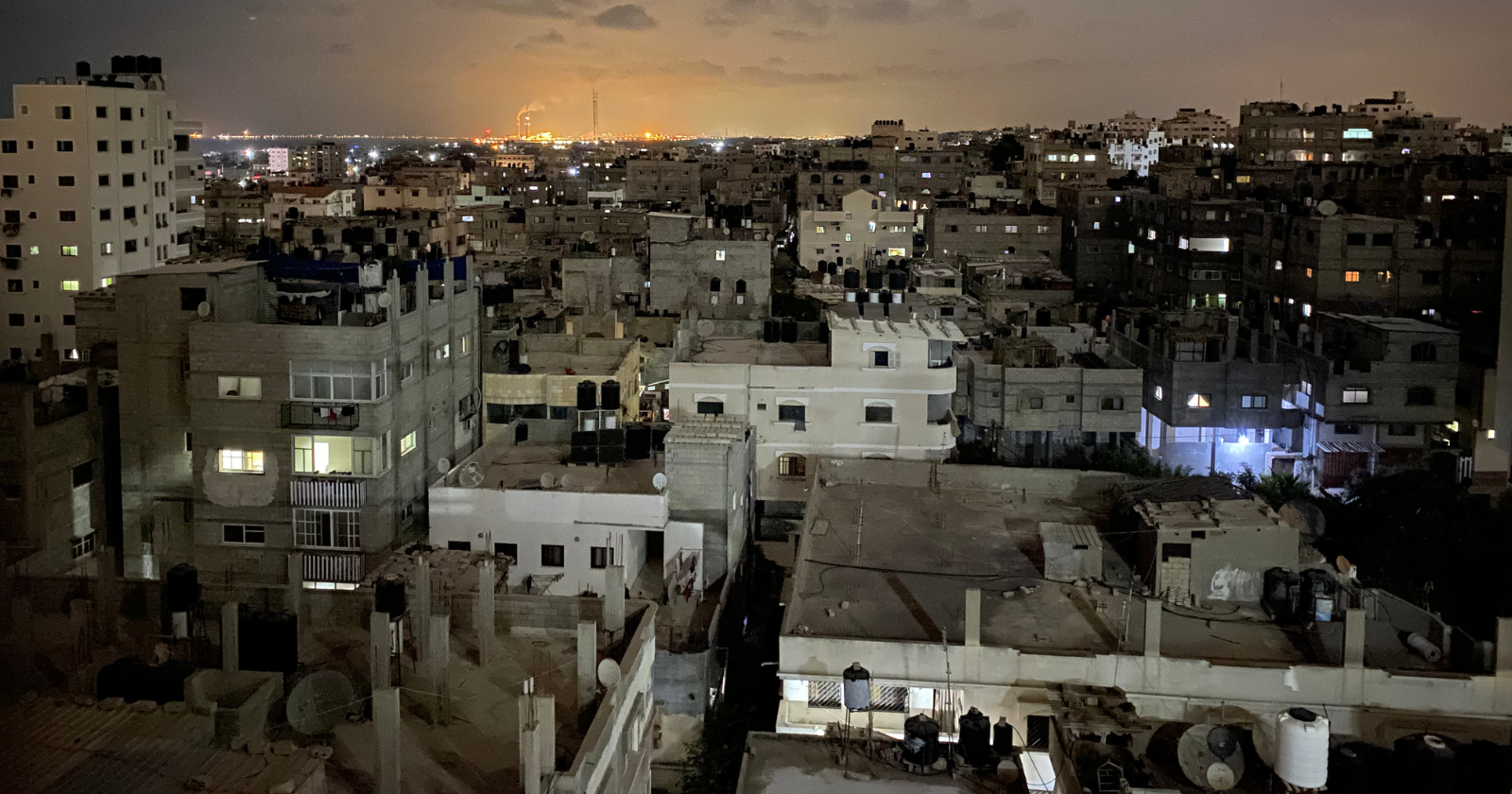
Loui Abu Ridi, a Palestinian American who owns a home in the West Bank village of Qusra, spent months watching his property become a target. Settlers cut the water. They took out the electricity. They vandalized the house, then eventually broke in. When his family finally hired workers to install a protective fence in early August, Israeli soldiers arrived — and arrested the workers.
The settlers were left to roam.
The sequence, documented in reporting by The Intercept, is not a story of a single bad night. It is a story about who the state protects when settlers and Palestinians meet on contested ground, and what happens to the legal categories that are supposed to keep them apart.
Settlers drove up to the Abu Ridi home on an ATV shortly before midnight on August 4, while workers hired by the family were erecting the fence. The family called the Israeli police. Soldiers arrived within roughly half an hour. About two and a half hours after the settlers turned up, the military finally acted — against the workers. Security footage shows the workers being arrested and taken away, blindfolded, with their arms tied behind their backs. Other footage shows settlers leaving the property unescorted. The workers were held for a few hours and released without charge, according to Loui Abu Ridi.
Five days later, on August 9, settlers began a siege on three homes in Qusra, including the Abu Ridis’, blocking the main road and trapping families inside with limited water and food.
Qusai Abu Ridi, Loui’s brother, put the family’s reading of events plainly to The Intercept: “The army was complicit with the settlers. They were the ones who attacked us, and we were the ones who were mistreated.”
The Israeli military, in statements to The Intercept, referred to the settlers as “rioters” and said the conduct of the soldiers and a statement heard on video were inconsistent with the standards expected of IDF soldiers. The military added that soldiers are now permanently stationed in the area to protect residents and prevent friction. It did not answer direct questions about the August 4 incident.
To understand why this matters beyond one family, it helps to place Qusra inside the broader pattern the United Nations has been tracking.
According to United Nations figures, there were roughly 190 settler attacks per month in the first four months of 2026 in the occupied West Bank — a pace that puts the territory on course for more than 2,000 attacks by year’s end. That is a monthly rate, sustained, across a territory whose settlements are considered illegal under international law.
A separate U.N. Commission of Inquiry report on the Occupied Palestinian Territory reached a sharper conclusion. The increasing participation of Israeli security forces in settler attacks, the Commission found, “amounts to a de facto collapse of the distinction between settlers and soldiers.”
That phrase is doing a great deal of work, and it is worth slowing down on.
International humanitarian law is built on categories. Civilian and combatant. Occupier and occupied. Police function and military function. Those categories determine who can use force, who is entitled to protection, and who bears legal responsibility when force is used badly. When a U.N. body concludes that one of those categories has collapsed in practice, it is not a rhetorical flourish. It is a claim about the legal architecture that governs the territory.
The Qusra footage, viewed against that finding, reads differently. It is not simply a case of soldiers failing to intervene. It is a case in which the party who called the police became the party the police removed.
Consider how that inverts the ordinary logic of law enforcement. In the standard model, a homeowner calls the state to protect property from an intruder. In Qusra, on the record of the security video, the homeowner’s workers called the state and were the ones led away in restraints. The trespassers walked out through the gate on their own — unescorted, and so far as the record shows, unarrested. The state did not fail to arrive. It arrived, and it chose.
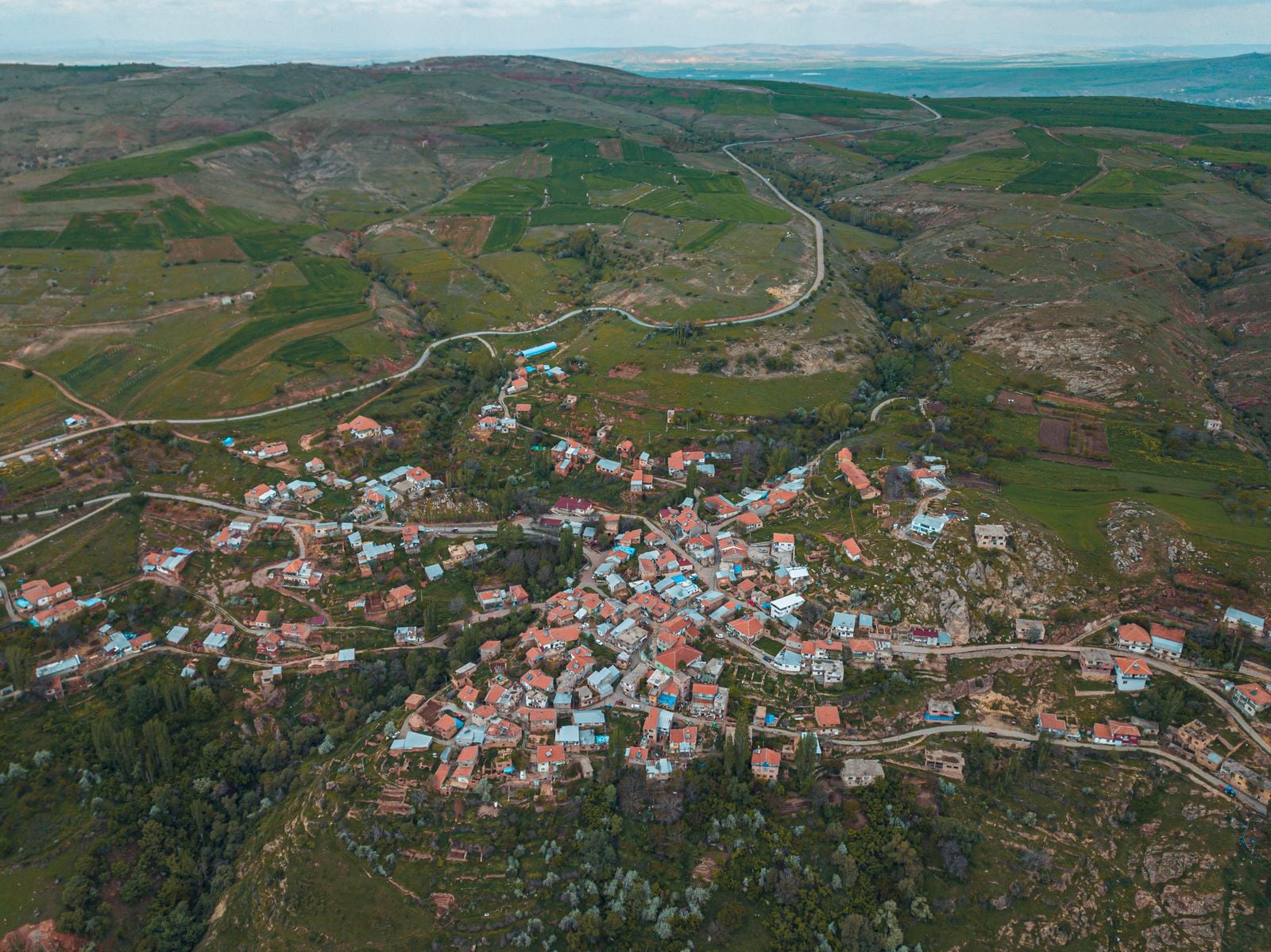
The pattern is not new, but its scale in 2026 is. The Israeli human rights group Yesh Din has posted footage filmed by Loui Abu Ridi of soldiers throwing a neighbouring family’s clothing from the balcony of a besieged home. The U.N. human rights office has said attacks on Qusra have been increasingly frequent since November 2025, when Israeli settlers established an outpost nearby.
What the material shows, taken together, is not isolated lawlessness. It is a system in which the risk of consequence sits on one side of the line.
The U.S. response has been unusually visible, if narrow. The siege in Qusra drew a rare rebuke from Mike Huckabee, the U.S. ambassador to Israel and a long-standing supporter of West Bank settlements, who called the settlers involved “terrorists.” That criticism has not, on the available evidence, changed the disposition of soldiers on the ground.
This is where the story lands for readers outside the region. A U.S. citizen’s home was attacked. A U.S. ambassador objected. The attacks continued. That sequence tells you something about the limits of diplomatic pressure when it is not backed by policy consequence, and something about how the Israeli government has calibrated the political cost of settler violence at the current moment.
It also tells you something about who bears the burden of the ambiguity. The calculation that residents now face is whether calling the authorities to a confrontation with settlers makes the situation safer or more dangerous. If the U.N. finding is correct, that calculation now has to account for the possibility that the arriving force is not a neutral third party.
The Israeli military’s own statement is worth reading closely. It described the settlers in the incident as “rioters,” a word that acknowledges criminal conduct. It said the soldiers’ behavior fell short of expected standards. It did not describe any disciplinary action, any arrests of settlers involved in the August 4 incident, or any change in command posture beyond stationing soldiers in the area indefinitely. The word “friction” is doing quiet work in that last sentence — it treats settler attacks and Palestinian resistance as symmetrical phenomena to be managed, rather than as a lawful population defending property against unlawful incursion.

Language matters here because it shapes what a soldier believes he is doing when he arrives at a scene. If the mental model treats the situation as friction between two groups, the arrest of workers installing a fence is a lateral move to reduce heat. If the mental model is based on protecting civilians from armed intruders, the same arrest is unthinkable.
The broader question of how Americans process what is being done in their name, and with weapons funded by their government, sits underneath all of this. The Abu Ridi case makes it concrete: an American passport did not change the outcome on the ground. It changed the volume of the reporting.
There is a version of this story that stops at outrage. There is another version that stops at the U.N. report and treats the legal finding as the endpoint. Neither is quite right.
What the Qusra footage actually documents is a slower process. The state has not withdrawn from the West Bank. It has changed the direction its enforcement points. When the family called the police, someone came. That someone had a badge, a uniform, and a rifle. The service they provided was not protection of the property. It was removal of the people trying to defend it.
That is what the U.N. means by collapse of the distinction. Not that soldiers have become settlers, or that settlers have become soldiers, but that on the ground, from the point of view of the person calling for help, the difference has stopped mattering.
The Abu Ridi family is still in the house. The soldiers are still stationed nearby. The attacks on the home, which began in January, have escalated rather than eased. International law still says the settlements are illegal. The video still shows what it shows.
A legal category is not a physical thing. It survives only as long as the institutions meant to enforce it behave as if it exists. In Qusra, on August 4, a group of workers with a roll of fencing found out what happens when it does not.