
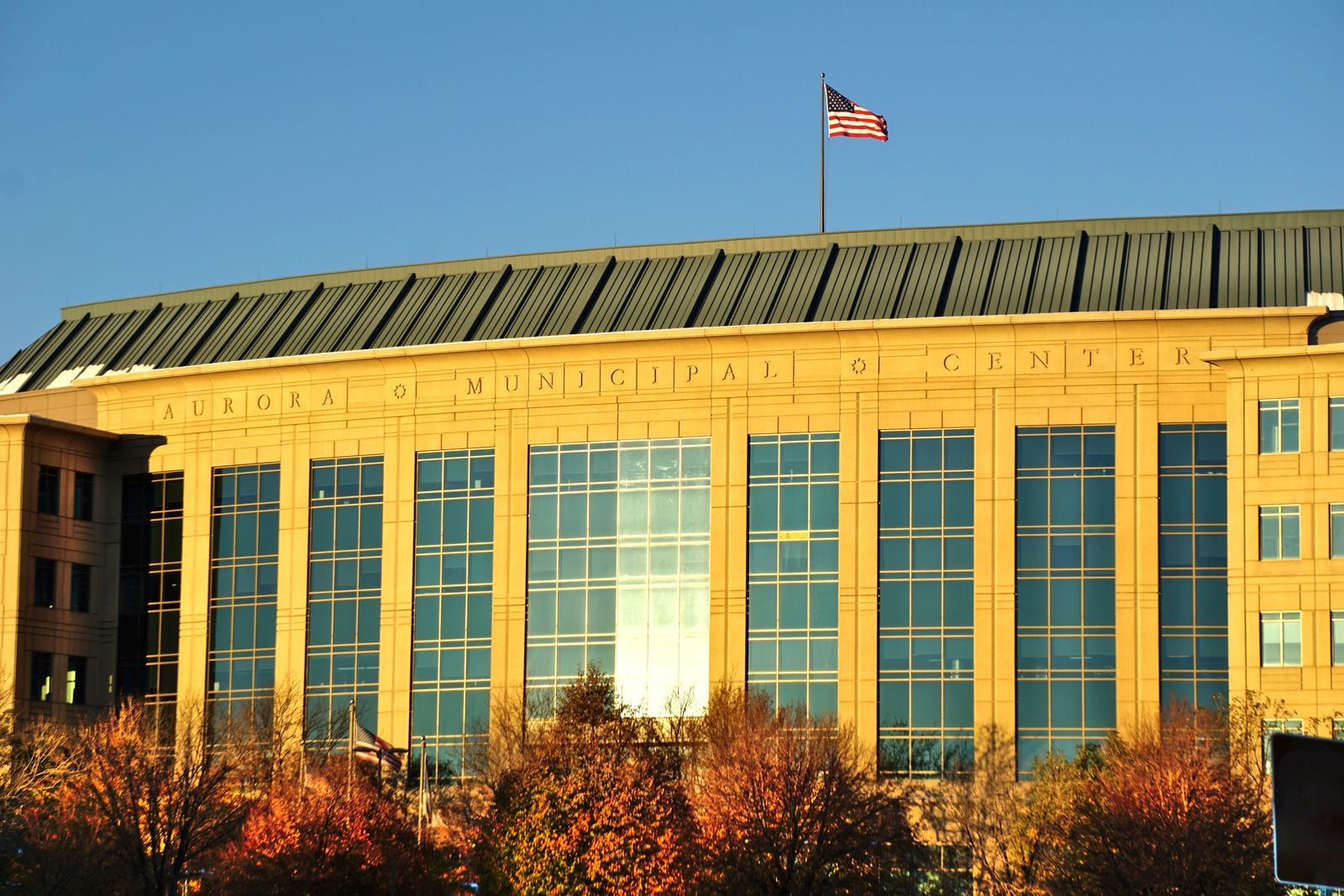
Aurora’s City Council voted 6-5 Monday night to reject a proposal that would have paused new data-center applications, with Mayor Mike Coffman casting the tiebreaking vote. It then approved a competing resolution that gives the city manager 35 days to return with development standards covering evaporative cooling, setbacks and residential buffers.
The duration of the rejected pause is less clear than initial accounts suggest. Denver7 described the defeated measure as a six-month moratorium. Sentinel Colorado reported that a separate six-month plan was removed at the beginning of the meeting and that the resolution defeated in the 6-5 vote included an indefinite pause.
The outcome itself is not disputed. The council rejected a pause, approved the narrower regulatory route 7-4 and started a 35-day clock for recommended code changes.
What the council actually decided
The rejected proposal would have stopped Aurora from accepting development applications for new or expanded data centers until regulations were created. Ahead of the meeting, Colorado Politics reported that the proposed standards included an evaporative-cooling prohibition and land-use requirements such as setbacks and buffers.
The competing resolution sponsored by Councilmember Curtis Gardner did not pause applications. It directed the city manager to return within 35 days with recommended changes, including a prohibition on evaporative cooling and buffers for data centers near residential areas.
The distinction affects which projects will be covered. Sentinel Colorado reported that the regulations would apply to future developments, not the five data centers already in the development process. Aurora also had nine established data centers at the time of the vote.
No moratorium is now blocking new applications. However, the available reporting does not establish exactly how an application submitted during the 35-day drafting period would be classified. That cutoff will need to be stated clearly in the final ordinance.
What Aurora can and cannot regulate
Denver7 reported that Aurora does not control the energy impacts of data centers because those questions run through Xcel Energy and the Colorado Public Utilities Commission. That includes utility rate design and the regulatory treatment of major new electricity loads.
Aurora’s direct levers are local ones. The city can regulate where data centers are built, how close equipment sits to residential areas and which cooling methods can use municipal water.
Residents raised concerns about both water consumption and electricity bills during the meeting. The jurisdictional divide does not make the electricity questions irrelevant, but it means the 35-day city process cannot settle every concern raised by residents.

Water and neighborhood impacts are the immediate focus
Evaporative cooling removes heat by evaporating water, making it a significant concern in discussions about data-center water use. The approved resolution identifies a prohibition on that cooling method as one of the standards staff must bring back.
The other identified measure is a system of setbacks and buffers near residential areas. The final distances will influence which properties remain suitable for large data centers and how close cooling equipment and other infrastructure can sit to homes.
Aurora, Illinois offers a useful comparison. After receiving noise complaints connected to an existing data center, that city adopted new location restrictions, conditional-use requirements and equipment setbacks. The Daily Herald reported that rooftop chillers must be at least 1,500 feet from certain neighboring properties, while ground chillers and generators must be at least 1,000 feet away.
Aurora, Colorado has not selected comparable distances. Its council has only directed staff to develop recommendations.
What happens during the next 35 days
The city manager must return with recommended code changes within 35 days. The resolution specifically identifies evaporative cooling and residential buffers, while allowing staff to recommend other regulations.
Three details will determine how much practical effect the new rules have. The first is how the ordinance defines prohibited cooling systems and whether it creates exceptions. The second is the setback or buffer distance required near residential areas.
The third is the effective-date language. The city has said projects already in development will not be covered, so the ordinance must clearly define when a project enters that protected pipeline.
The council rejected a pause, but it did not reject regulation. The next test is whether the 35-day process produces enforceable standards with clear definitions, meaningful distances and an unambiguous starting date.