

In neighborhoods around Southaven and south Memphis, residents have spent the summer filing noise complaints against gas turbines that hum at the edge of what is now the second-largest AI campus on Earth. The turbines are unpermitted. The campus is expanding. And the zoning code the city would use to slow any of it down was written for warehouses.
That is the gap the Memphis City Council will try to close on Aug. 18, when it votes on a temporary moratorium that would pause the acceptance, processing, approval, and issuance of zoning, land use, building, and other associated infrastructure permits for data center projects inside city limits. The ordinance is sponsored by Councilman JB Smiley, Jr., Jana Swearengen-Washington, Jerri Green, and Yolanda Cooper-Sutton, and will be discussed in executive session, according to the Aug. 14 announcement reported by The Commercial Appeal.
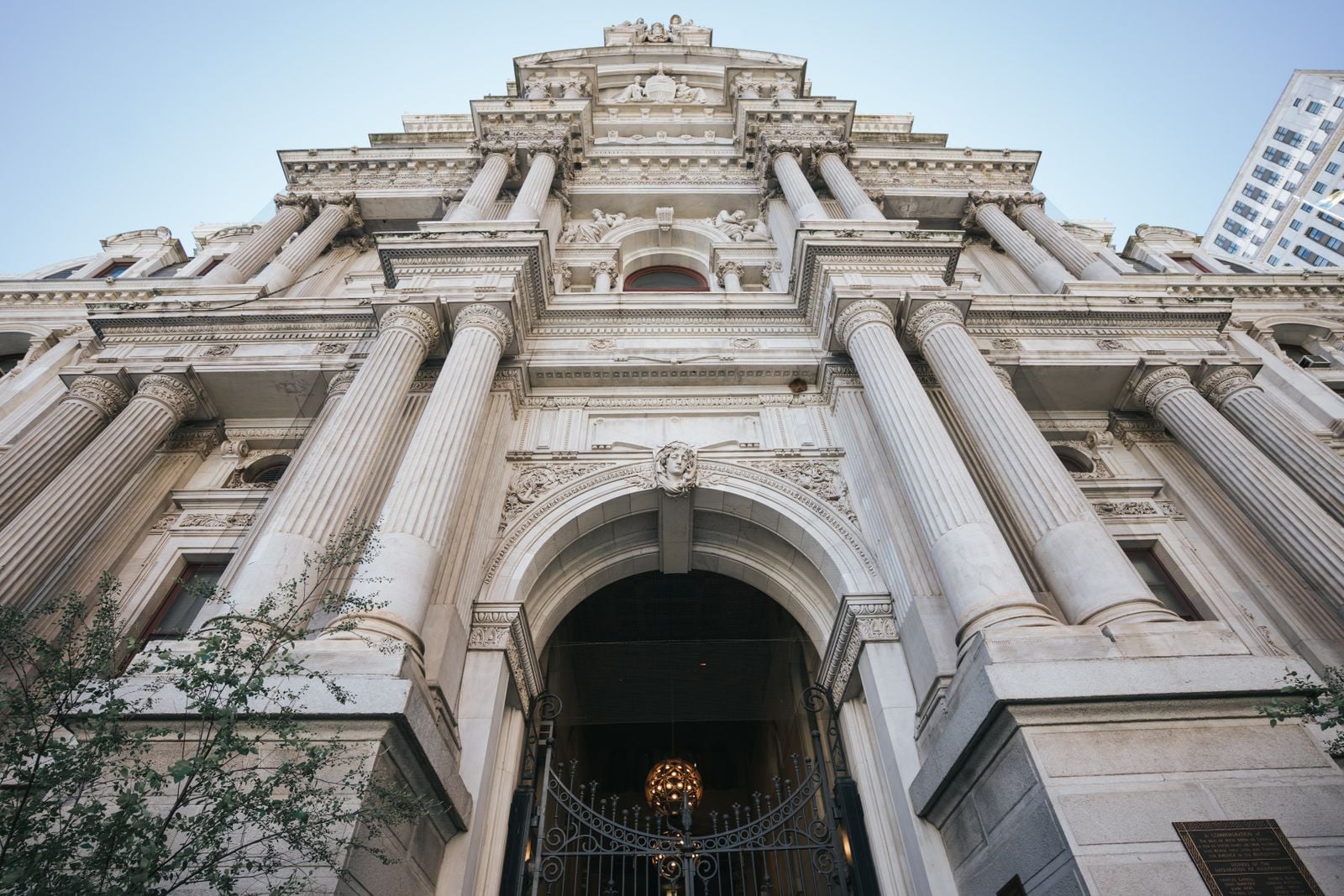
Memphis has become the loudest case study in the country for what happens when a hyperscale AI campus arrives faster than the regulatory framework around it. The pause is designed to give the city time to study the effects of large-scale data centers on infrastructure, utilities, environment, and neighborhoods before more projects move forward.
What the ordinance would actually do
The proposed moratorium is a permitting freeze, not a ban. In Tennessee, local governments generally cannot outright prohibit a lawful business, so cities use zoning and land-use rules to regulate where and how development occurs. A temporary pause on permits is the standard tool, and Tennessee cities are reaching for the same blunt instrument because the state gave them no sharper one.
Memphis, unlike Hawkins County, which enacted a permanent ban now being challenged in court by the Beacon Center, is proposing only a study period. Smiley’s statement in the council’s release framed it as an attempt to balance economic development with community and environmental concerns and to establish a framework before more projects come online.
The council previously discussed potential zoning changes in July that would address data centers through the Memphis and Shelby County Division of Planning and Development codes. The Aug. 18 vote would formalize a pause while that work continues.
The Colossus factor
SpaceX’s xAI operation is the reason this ordinance exists in its current form, even though the moratorium language does not name any company.
xAI’s Colossus campus in Memphis is among the largest AI data center projects in the world. It now operates at more than 500 megawatts of power after dozens of gas turbines were added, with plans to expand to roughly 2 gigawatts, enough electricity to power more than a million homes. On Aug. 4, Elon Musk said the company plans to add up to 20 gigawatts of capacity to meet the energy needs of SpaceXAI data centers by 2027, a figure disclosed alongside SpaceX’s Q2 earnings.
SpaceXAI has purchased over 1,100 acres in Greater Memphis for data centers and power generation. During its first year of operation, the company paid $25 million in Shelby County property taxes, making it the second-largest tax-paying property in the county after FedEx, according to Mayor Paul Young in CNBC’s reporting on the Memphis buildout.
The revenue is real. So are the complaints.
Residents in Southaven, Mississippi, part of Greater Memphis, filed a proposed class action against SpaceX in June alleging Colossus II created a public nuisance through noise from its gas turbines. In April, the Southern Environmental Law Center and Earthjustice sued on behalf of the NAACP in federal court in Mississippi, alleging Clean Air Act violations tied to turbines operated without required permits or pollution controls. The Department of Justice has intervened, arguing the technology serves national security interests.
What Memphis ratepayers are actually exposed to
The financial risk for residents sits at the intersection of state law, utility rate design, and how quickly the buildout is happening.
The Tennessee Valley Authority says data centers now account for roughly 18% to 20% of its industrial electricity demand, a share projected to double by 2030. In 2026, Tennessee lawmakers passed a law requiring data centers with projected demand of 50 megawatts or more to pay for the electrical infrastructure needed to serve them, and prohibiting utilities from passing those costs to other customers. The same law also allows data centers to generate their own electricity, which is how xAI ended up running its own gas turbines in the first place.
Memphis Light Gas & Water has stated that water and electricity rates have remained stable due to SpaceXAI operations, and that a 4% annual electric rate increase running 2024 through 2026 was not tied to data center load. Residents interviewed by CNBC dispute the felt experience, saying bills have risen since xAI arrived. The utility’s position and the resident experience are both on the record; the moratorium is partly an attempt to buy time to reconcile them.
Water is the other pressure point. Data centers can consume significant water for cooling, and the largest AI facilities can consume millions of gallons daily. Young has acknowledged that SpaceX has not yet delivered on a promised water recycling plant intended to reduce Colossus’s draw on local supply.
Why the timing matters
Memphis is voting on a pause while the industry accelerates around it. Nearly half of new U.S. data center construction is headed to the South, according to WSMV’s summary of Statista figures showing the U.S. hosts roughly 4,200 data centers overall. Tennessee alone has more than 60, most of them traditional facilities, with a handful of AI-scale campuses now reshaping the load profile.
The construction supply chain is also localizing. Morgan Steel announced a new Memphis-based division focused specifically on data center construction, an indicator that developers expect the pipeline to keep filling regardless of what happens on Aug. 18.
Compute demand shows no sign of slowing either. Anthropic and SpaceX announced a multi-year compute deal, and Google and Reflection AI have both signed agreements to rent capacity at Colossus and Colossus II, deals reportedly worth billions per month.
A temporary Memphis moratorium does not change any of that math. What it changes is the sequencing. Right now, permits are being issued into a regulatory vacuum that was designed for warehouses and light industry, not gigawatt-scale AI campuses. A pause lets the city draft rules that treat the two differently.
What happens Aug. 18
The council will take up the ordinance in executive session. If passed, the moratorium would apply to permits going forward, not to already-permitted development. That means Colossus I and the current Colossus II footprint are outside the scope of what the freeze can reach.
What the council is really deciding is whether a city of 620,000 people can hit pause on an industry that just announced plans to consume more electricity than some states produce. The turbines are already running. The 20-gigawatt roadmap is already public. On Aug. 18, Memphis will vote on whether power is arriving faster than democracy can absorb it.