
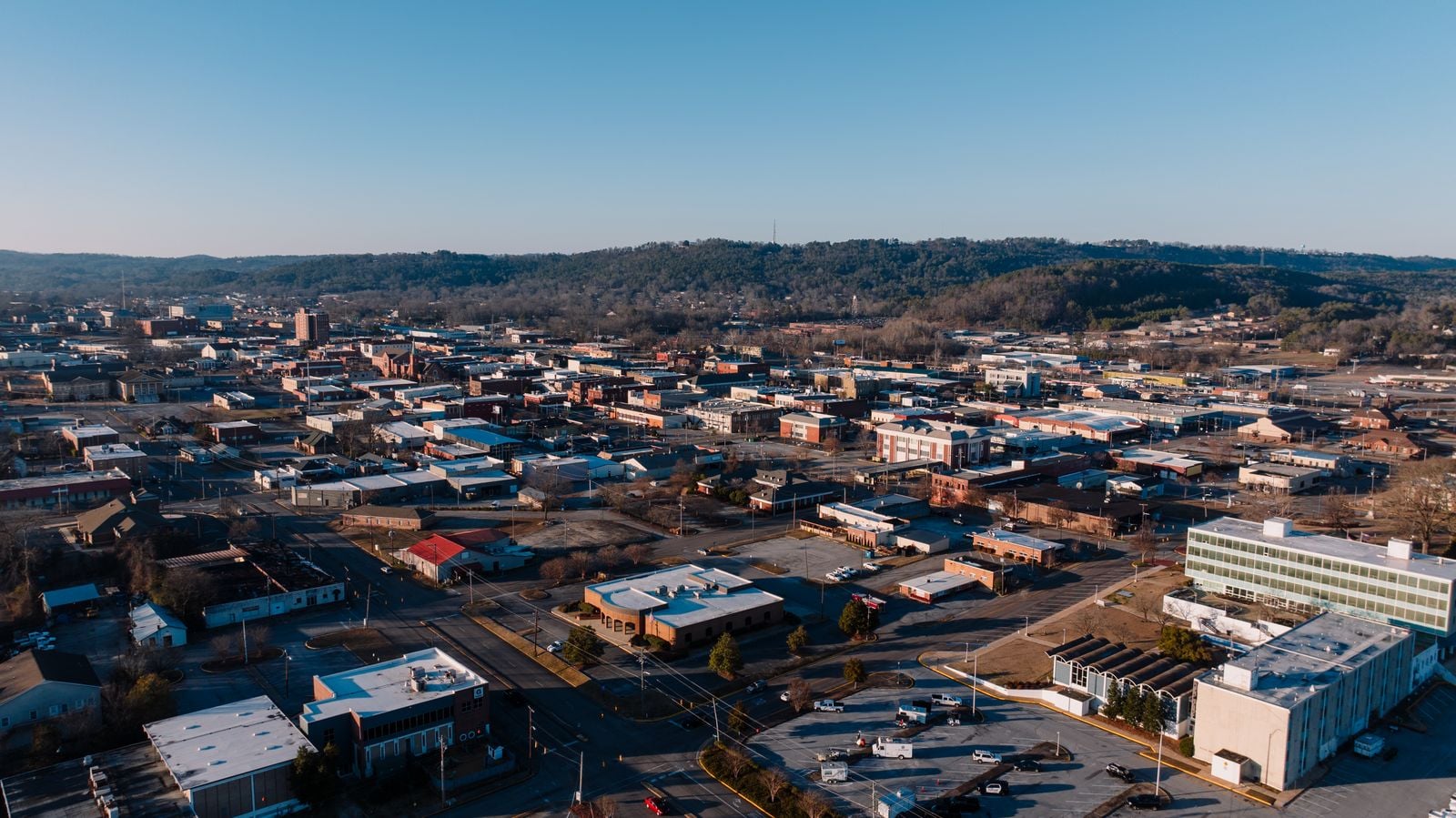
Prichard, Alabama is weighing whether to host a $93 million data center that its supporters describe as one of the largest single private investments the struggling Mobile County city has seen in years. The proposal is now the subject of formal community forums as council members test how much appetite residents have for hosting the kind of facility that has already been rejected elsewhere in the state.
District 5 Councilman Roy Smith II hosted an informational video tour of the proposed facility at Prichard City Hall, walking residents through what the operator says the site will look like and how the project would benefit the city, with a question-and-answer session attached.
The developer’s Alabama plans have landed in a city already exhausted by decades of water system failures, budget crises, and depopulation.
What Prichard is actually being asked to approve
The pitch on the table is a roughly $93 million facility, presented by its backers as a source of tax revenue and construction activity for a city that has struggled to attract private capital of any size. The councilman hosting the forums has framed the sessions as informational rather than a formal vote, with the council still gathering feedback before any binding zoning or incentive decision.
Prichard residents have not been quiet. A packed community meeting on the proposal produced the same questions that have shown up in every recent Alabama data center fight: water use, power draw, noise from cooling systems, truck traffic during construction, and whether the promised jobs are permanent operations roles or short-term build-out contracts.
None of those questions have been formally answered on the record yet. The forum format is doing the work that an environmental impact statement or a utility filing would normally do in a larger jurisdiction.
Why this fight looks familiar
Prichard is not the first Alabama city to be handed a large data center proposal in the last eighteen months, and the pattern of what happens next is starting to harden. Earlier plans to build a data center in Tallassee were ultimately shut down following community feedback, according to WSFA’s reporting on the 2026 governor’s race, while other major data center projects in the state have kept moving.
The through-line: projects survive where local officials can answer the electricity question early, and stall where they cannot.
Sen. Tommy Tuberville, the Republican nominee for governor, has pointed to data center facilities in the state as economic successes, citing local benefits to communities. Former Sen. Doug Jones, the Democratic nominee, has argued the state needs stronger transparency requirements before approvals.
Those are the two political frames Prichard’s council is choosing between, whether it says so out loud or not.

The electricity question sitting underneath everything
The single number that will decide whether a Prichard data center is a net gain or a net loss for residents is not the $93 million capital figure. It is the retail electricity rate residents pay after the facility connects to the grid.
That is the fight playing out across the entire Tennessee Valley Authority footprint right now. Google has announced a $1.5 billion expansion of an Alabama data center located at a former TVA coal plant, and the federal utility is managing the balance between large industrial customers and residential ratepayer costs.
Prichard sits in Alabama Power territory rather than TVA, but the underlying arithmetic is the same. Large hyperscale and colocation facilities are load customers of a size that used to be reserved for aluminum smelters and steel mills, and the cost of the generation and transmission needed to serve them lands somewhere. The ongoing debate in the state centers on whether residents should absorb those costs on their monthly bills. Neither major candidate’s position has been translated into an enforceable Alabama Public Service Commission tariff yet.
That gap is what makes local votes like Prichard’s carry more weight than they normally would. In the absence of a statewide framework, the city council is effectively negotiating its own terms.
What residents are actually asking for
The specific concerns raised at the Prichard forums track what has surfaced in other cities. Residents want to know the water draw for cooling, the decibel levels at the property line, the actual permanent headcount after construction ends, and whether the tax abatement package leaves the city with meaningful revenue or a decade of foregone collections in exchange for a facility that runs on a skeleton staff.
Facility tours arranged for Prichard residents did not calm those questions so much as sharpen them, according to local coverage. Seeing the scale of the cooling infrastructure and the substation footprint in person tends to change how residents read the site plan.
These are the same questions that pushed the Tallassee project to collapse, and the same questions that have shown up in council chambers across the region in the last year.
What happens next in Prichard
No moratorium has been formally introduced in Prichard as of the source record. The council is in the information-gathering phase, with Smith running forums and residents pressing for specifics the developer has not yet committed to in writing. A binding vote on zoning or incentives would come later, and would be the moment at which the $93 million figure either becomes a real construction budget or a rejected proposal added to Tallassee’s column.
The pressure on the council runs in both directions. Prichard’s fiscal position makes a new large taxpayer genuinely attractive. Its residents have watched enough of the state’s data center debate to know that the tax revenue only holds up if the electricity and water arithmetic holds up too.
Whichever way the vote goes, it will be read as a signal by every operator scouting sites in the Gulf Coast corridor.