

The Salix City Council voted 3-2 Thursday night against a proposed 12-month moratorium on data center development, clearing the way for Google and MidAmerican Energy to keep exploring a project on roughly 900 acres of farmland the northwest Iowa town annexed in April.
The meeting had been delayed more than a week after death and terroristic threats posted on social media forced officials to postpone the original August 12 session, according to Iowa Public Radio’s coverage of the vote.

The proposed pause would have suspended all communication with Google for one year while the city studied potential impacts and drafted regulations. The council could have shortened or extended the window as needed. It failed on the floor.
What the council actually voted on
The moratorium’s proponents were not asking the city to reject the project outright. They were asking for a cool-down period.
Council member Gene Monk argued the council had already approved a moratorium at its July meeting and was only there Thursday to finalize the language. Mayor Kevin Nelson disagreed, telling the room no moratorium was legally in place after the earlier meeting. In KTIV’s account of the debate, Monk framed the request plainly: a one-year pause so residents could get answers before a decision that would reshape the community.
Council member Denise Burkhart voted against the moratorium on different grounds. She said Salix needed more information from Google before deciding whether the project fit, and cutting off communication for a year would prevent the city from asking the questions that would answer that.
Those were two different theories of caution. One prevailed by a single vote.
The land, the utility, and the customer
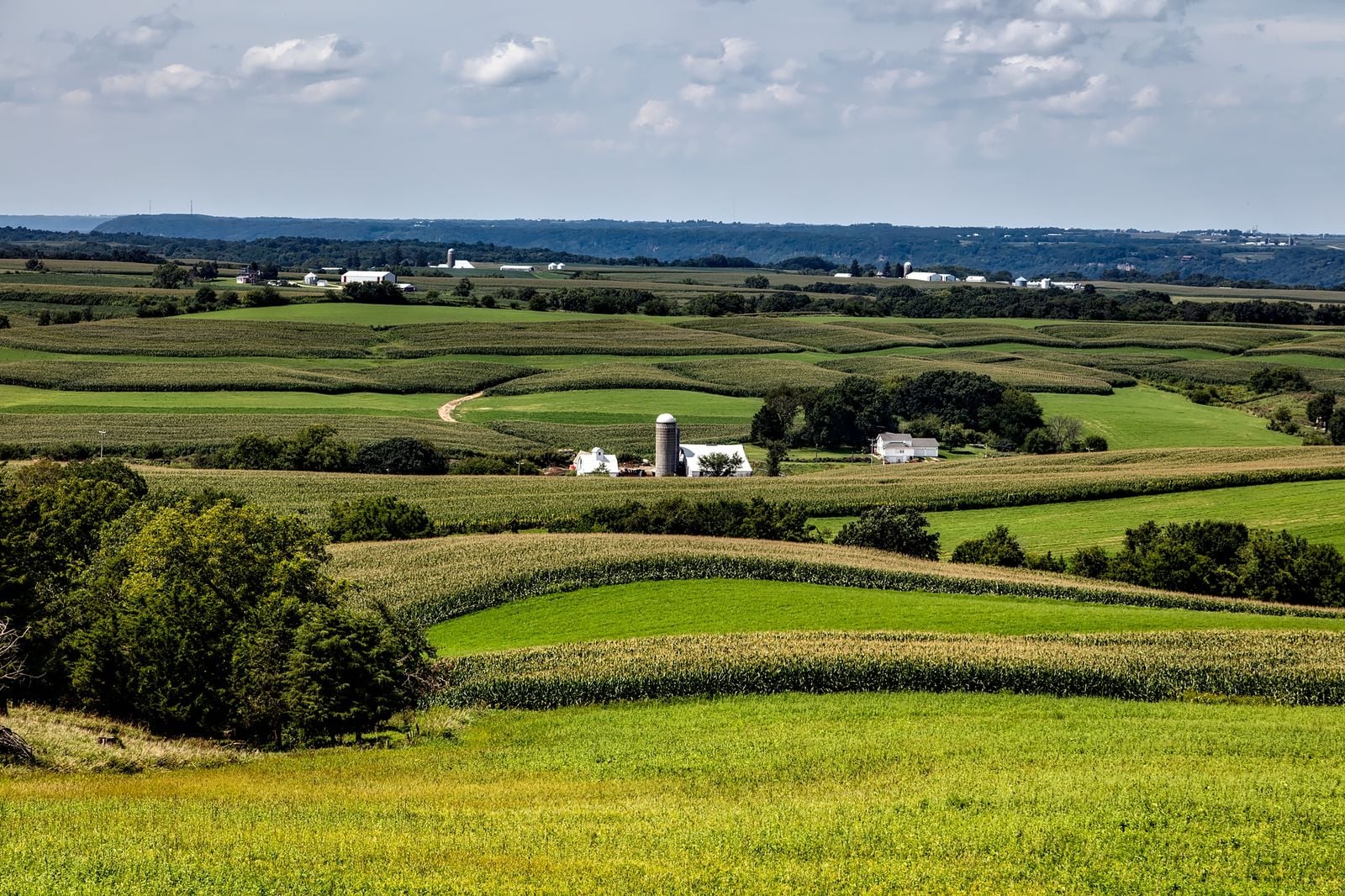
The 900 acres in question were annexed by Salix in April. MidAmerican Energy initiated the underlying project. Google was publicly identified as the prospective customer in early August, weeks before Thursday’s vote.
Google representative Trent Fellers told the council the company is still in the early planning stages, with water and energy use not yet finalized, and asked for room to keep the conversation going. Because those specifications remain unresolved, Thursday’s vote was not a decision on a finished proposal. It was a decision about whether discussions should continue while the city waits for the details.
Even without a moratorium, the project is not approved. The land still needs to be rezoned for data center use. Woodbury County is also challenging the annexation in court, arguing Salix failed to properly notify residents and included property that does not border the city limits.
The Woodbury County Board of Supervisors passed its own moratorium on data center development in unincorporated areas in June, citing concerns tied directly to the Salix project. That creates two different regulatory tracks: Salix can continue considering the annexed site, while the county’s one-year moratorium pauses data center development in unincorporated areas.
Who spoke, and who is affected beyond the city limits
Most residents who addressed the council supported the moratorium. Mary Herbst of the Salix Guardian Alliance urged leaders to give both city and rural residents a seat at the table. Others said they felt blindsided by how quickly the annexation and utility outreach had moved.
Not all public comment lined up that way. Dolf Ivener, a Sioux City business owner and farmer, framed the project as a once-in-a-lifetime chance to expand the local tax base and bring jobs.
The most consequential voice may have come from outside Salix altogether. The Winnebago Tribe of Nebraska, which owns land a few miles from the proposed site, recently passed a resolution opposing hyperscale data center development on or near the Winnebago Reservation. Tribal council member Keely Bassette Purscell told the Salix council directly that decisions made inside the city limits will carry consequences beyond them, and invited attendees to a teach-in on hyperscale AI data centers organized with the Brave Heart Society.
The threats that delayed the vote
The August 12 meeting was called off because of threats made on social media. Iowa Public Radio documented the cancellation and the reasoning city officials gave for it.
The rescheduled meeting was moved to August 20, per Siouxland Public Media, alongside a Tuesday vote to fill a council vacancy. That backdrop of threats, a council seat in flux, and a 900-acre annexation under legal challenge set the tone in which Thursday’s 3-2 decision was made.
No one was arrested Thursday, but tempers ran hot enough that the mayor called for officers when Monk and others protested the outcome.
What this means for residents now
The immediate consequence for residents is that Salix will not have a formal regulatory pause on data center projects. Conversations between the city, MidAmerican, and Google will continue on the current timeline, not a slowed one.
The medium-term consequence sits with the court and the zoning process. If Woodbury County’s annexation challenge succeeds, the land question reopens. If the rezoning fails at a later hearing, the project stalls. If both clear, water and power specifics, which Fellers said were not yet finalized, become the next major points of debate.
Salix rejected the pause by the narrowest possible margin. The city kept the door open, but it did not give final approval to the project.
What the vote does not settle is the question Monk kept returning to: whether five council members should be making a decision this large without a formal pause to study it. The record now shows three of them believed the city should continue the process without one.
The next binding decisions belong to the court hearing the county’s annexation challenge and the local zoning process. Water and power plans remain unresolved, so residents who wanted a year to prepare for those discussions will have to scrutinize the details as Google and MidAmerican continue their work in real time.