
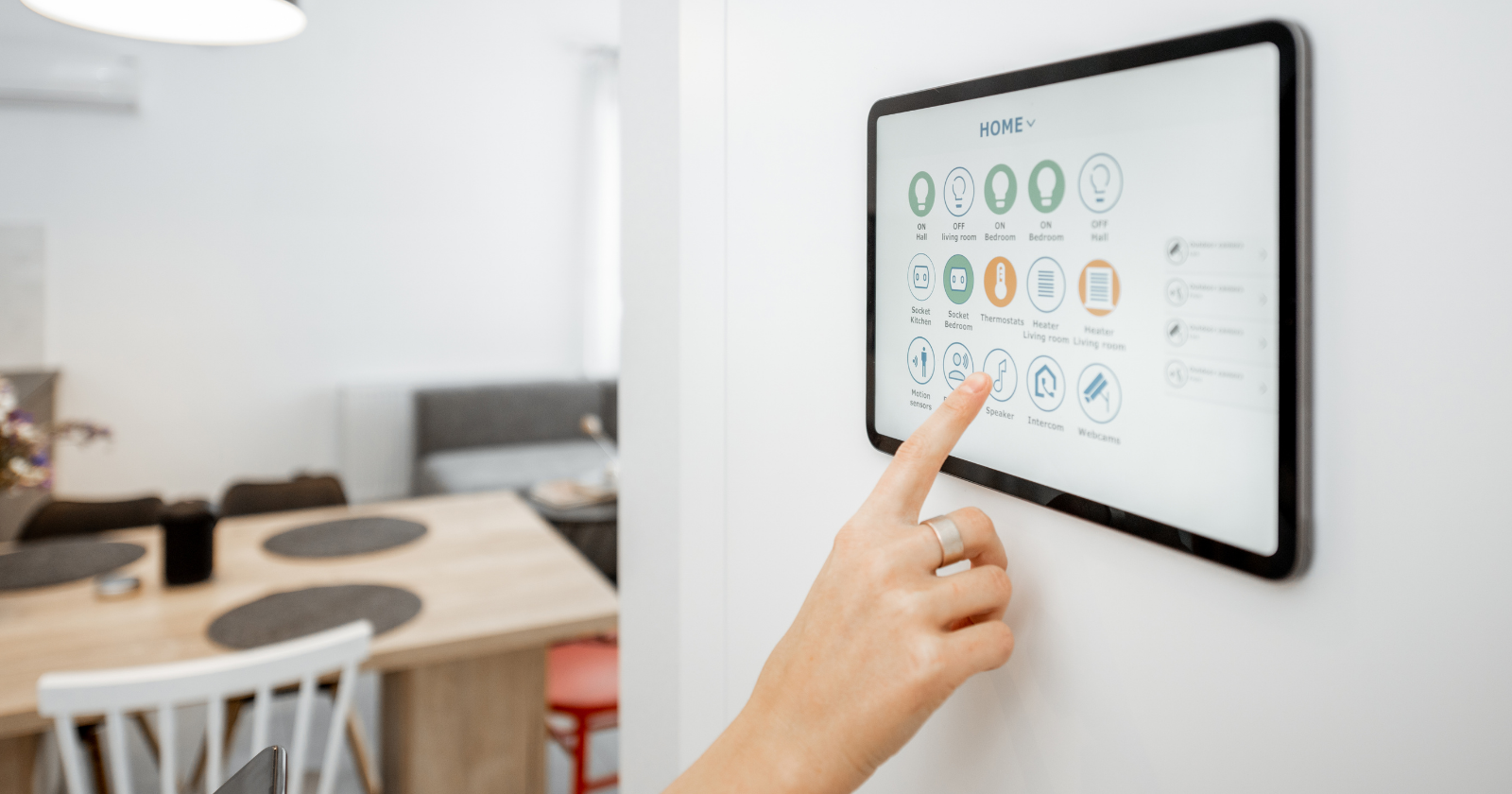
Connected devices are now a normal part of American domestic life. A December 2025 report on a OnePoll survey said more than eight in ten American homes contained some form of smart technology. The survey covered 5,000 homeowners and was commissioned by smart-home company Vivint, which is important context when interpreting its conclusions.
Another survey illustrates why adoption should not be confused with an absence of concern. In May 2025, American Home Shield reported that 57% of its respondents were concerned about how smart devices collected and used their information. The survey covered 1,006 US homeowners and renters in December 2024.
The attraction is easy to understand because many of the benefits are real. Robotic vacuums, smart thermostats and connected lighting can reduce the physical and mental effort involved in routine household tasks. Voice control can be particularly valuable when conventional switches, locks or appliances are difficult to reach.
That accessibility is more than a lifestyle upgrade for people with disabilities, those aging in place, or anyone dealing with temporary mobility problems. A 2026 Wirecutter Show episode described how smart switches, plugs, locks and smoke detectors can give users more direct control over their surroundings. A person recovering from surgery, for example, may be able to control a light without crossing a dark room.
Energy monitoring is a quieter benefit. Smart thermostats and connected plugs can make household electricity use easier to understand, while doorbells, cameras, leak sensors and connected smoke detectors can warn users before a problem becomes more serious. These functions address specific needs rather than adding technology for its own sake.
Assistive and companion devices may also support people who live alone. Some companion and assistant robots can deliver medication reminders, help manage schedules and monitor basic health information. These capabilities vary considerably by product, so buyers still need to examine what a particular device can reliably do.
Integration is another part of the appeal. When compatible devices work together, lights can dim when a television starts and thermostats can adjust when residents leave. The result can be a more coherent household routine, although that benefit depends on reliable setup and continued compatibility.
The first substantial cost is financial. The purchase price may be followed by cloud-storage subscriptions, maintenance fees, replacement batteries or a paid service plan. The American Home Shield survey reported average annual subscription and maintenance spending of $498 among respondents, while one in ten said they regretted their overall investment.
Privacy presents a different trade. Many connected devices collect information about activity inside or around a home, but the type of data and whether it leaves the device depend on the product and its settings. Cameras and microphones carry particularly obvious implications, while thermostats, locks and motion sensors can still reveal household patterns. That is why privacy-first design, including local processing and limited data retention, matters across consumer technology.
Reliability can also reshape the experience. American Home Shield found that 46% of smart-device owners surveyed had experienced Wi-Fi or internet connectivity problems, while power outages had disrupted systems for 33%. Batteries, apps, routers and remote services create dependencies that conventional appliances may not share. Well-designed devices often retain local controls or manual fallbacks, but buyers should confirm those protections before relying on them for an essential function.
Older adults illustrate both sides of the trade especially clearly. A 2026 PLOS One study involving 21 adults aged 65 to 90 found that participants recognised the potential for smart-home devices to support independence and well-being. It also identified affordability, privacy, trust, compatibility and limited knowledge of available options as barriers. Because the study was small and involved participants in the UK, Malta and Pakistan, it should not be treated as a demographic map of all American users.
Another cost is attentional load. A doorbell can alert a user to every passing animal, a refrigerator can flag its contents, and a vacuum can report a stuck wheel. Each notification is small, but the total can become another stream of household administration. In the American Home Shield survey, 29% of respondents said smart devices caused them to spend more time managing their homes than before.
Obsolescence adds to the burden. Connected devices depend on software support, compatible applications and security updates, which may not last as long as the physical appliance. A working product can therefore lose part of its usefulness when its software or cloud service is discontinued.
Interoperability remains uneven as well. The Matter standard was created to improve compatibility among devices and platforms from different brands. Support has expanded, but availability still varies by product category, manufacturer and software version, so the logo alone does not guarantee that every desired feature will work across every platform.
Security is the final structural concern. Every additional connected product can expand the number of components that must be configured, updated and protected. The National Institute of Standards and Technology has published a consumer IoT baseline describing cybersecurity capabilities commonly needed across these products. Households do not have professional security teams, which makes clear update policies, secure default settings and simple account controls particularly important.
Read the benefits and costs together and a clearer picture emerges. Smart technology can deliver convenience, accessibility, energy awareness and earlier warnings about household problems. It can also introduce recurring costs, privacy concerns, technical dependencies and a persistent demand for attention. The outcome depends less on whether a device is labelled smart than on whether it solves a specific problem without creating a larger one.
The most useful approach is selective rather than maximal. A household benefits when each connected product has a clear purpose, a dependable fallback and an acceptable support life. Smart devices should earn their place through the friction they remove, while the friction they add remains visible.