

Reports have emerged of a weekend diplomatic meeting in Moscow involving American envoys and Russian officials, though key details remain unconfirmed. The discussion reportedly touched on both the war in Ukraine and broader bilateral issues.
That single framing is worth pausing on.
The frame most Western readers have carried since February 2022 places the Ukraine war at the center of the story and any Russian-American economic conversation at the margins. Reports suggest Moscow may be seeking to invert that, placing peace terms and business terms at the same table.
The talks were characterized in official readouts as substantive, with both military developments and economic cooperation on the agenda. Both remarks were on the record. Both are doing work.
References to battlefield conditions serve as negotiating posture. They signal that Moscow enters this round of talks with the map moving in its direction, not away from it. Russia still controls significant Ukrainian territory seized in and after 2022, and the current front is grinding, not frozen. The message to Washington is that time is not a neutral variable.
References to economic projects signal that whatever emerges from these talks will not be a narrow ceasefire document. It will be a package.
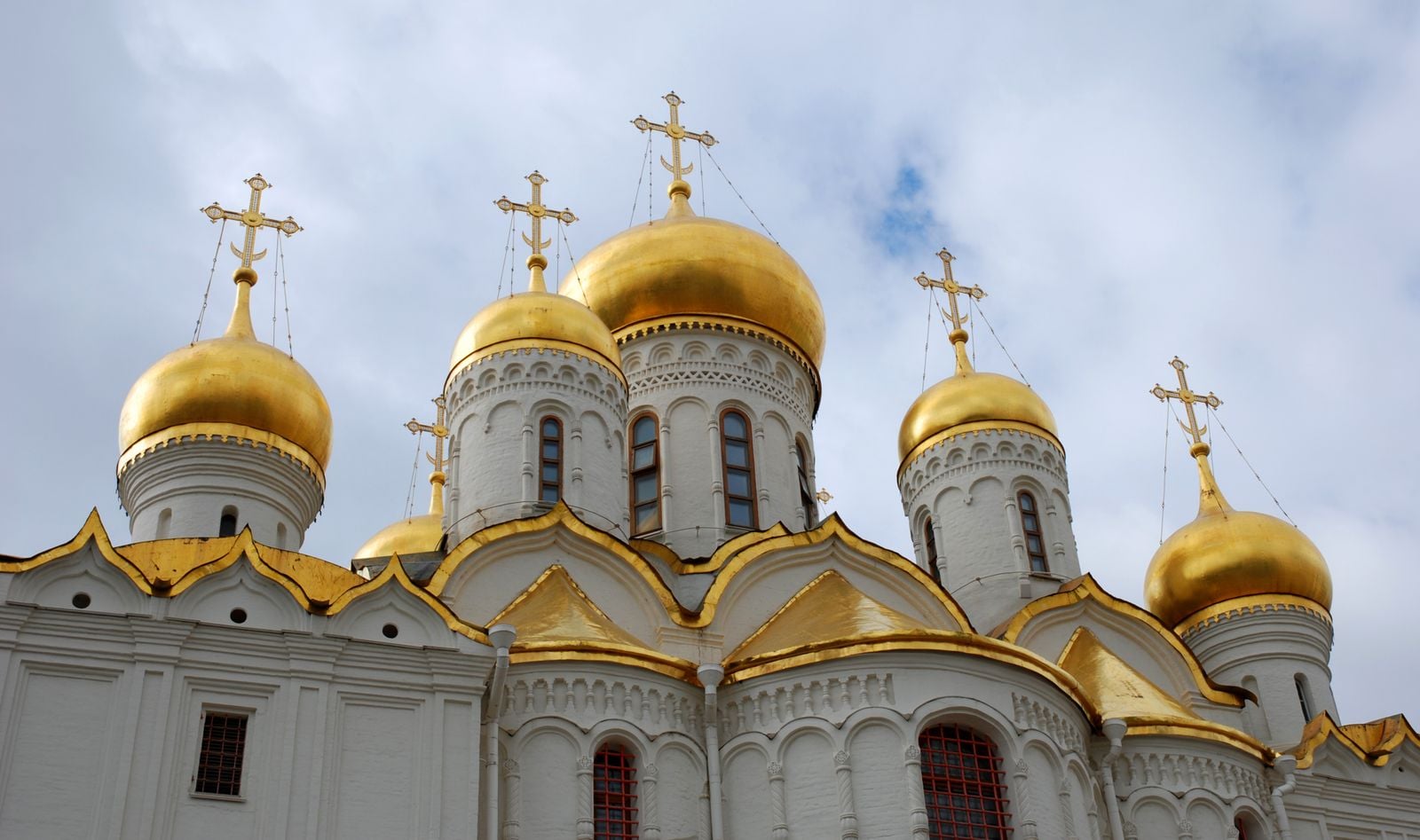
Consider how this looks from different perspectives.
For communities far from capital cities, any pause in strikes on Moscow and Kyiv does not extend protection to provincial areas that have borne much of the war’s burden.
European governments have spent three years building a sanctions regime on the assumption that the United States would hold the line. A bilateral economic conversation in Moscow, if confirmed, would complicate that assumption.
Observers in Kyiv watch for whether envoys bring a text or a demand. The distinction matters. A text is a proposal to negotiate. A demand is a proposal to accept.
Available reporting does not resolve which of these it is. Reports suggest that detailed proposals may be forthcoming and that Ukrainian leadership remains open to substantive dialogue. Both formulations are deliberately soft. Neither commits either side to a position that could be photographed and used against them later.
This is the shape of the moment. Envoys with unusual profiles. Extended meetings behind closed doors. Limited pauses on certain strikes. Kremlin readouts that fold economic cooperation into the same sentence as war termination. And visits to Kyiv scheduled to follow, their content undisclosed.
The temptation is to read this as a breakthrough. The available evidence does not support that reading yet.
What the reporting shows is a change in method, not confirmed movement on substance. The Biden administration ran Ukraine policy through the National Security Council, the State Department, and a coordinated transatlantic process with European capitals. The current approach reportedly routes through personal envoys with commercial backgrounds, meeting privately with Russian leadership, discussing peace terms and business terms together. Whatever one thinks of either approach, they are structurally different animals.
The structural difference matters because it changes who is at the table and who is not. European governments, which have absorbed the largest share of Ukrainian refugees and underwritten much of the reconstruction financing, were reportedly not in such meetings. Neither was Ukraine. The talks appear to have been bilateral between Washington and Moscow, with Kyiv brought in subsequently.
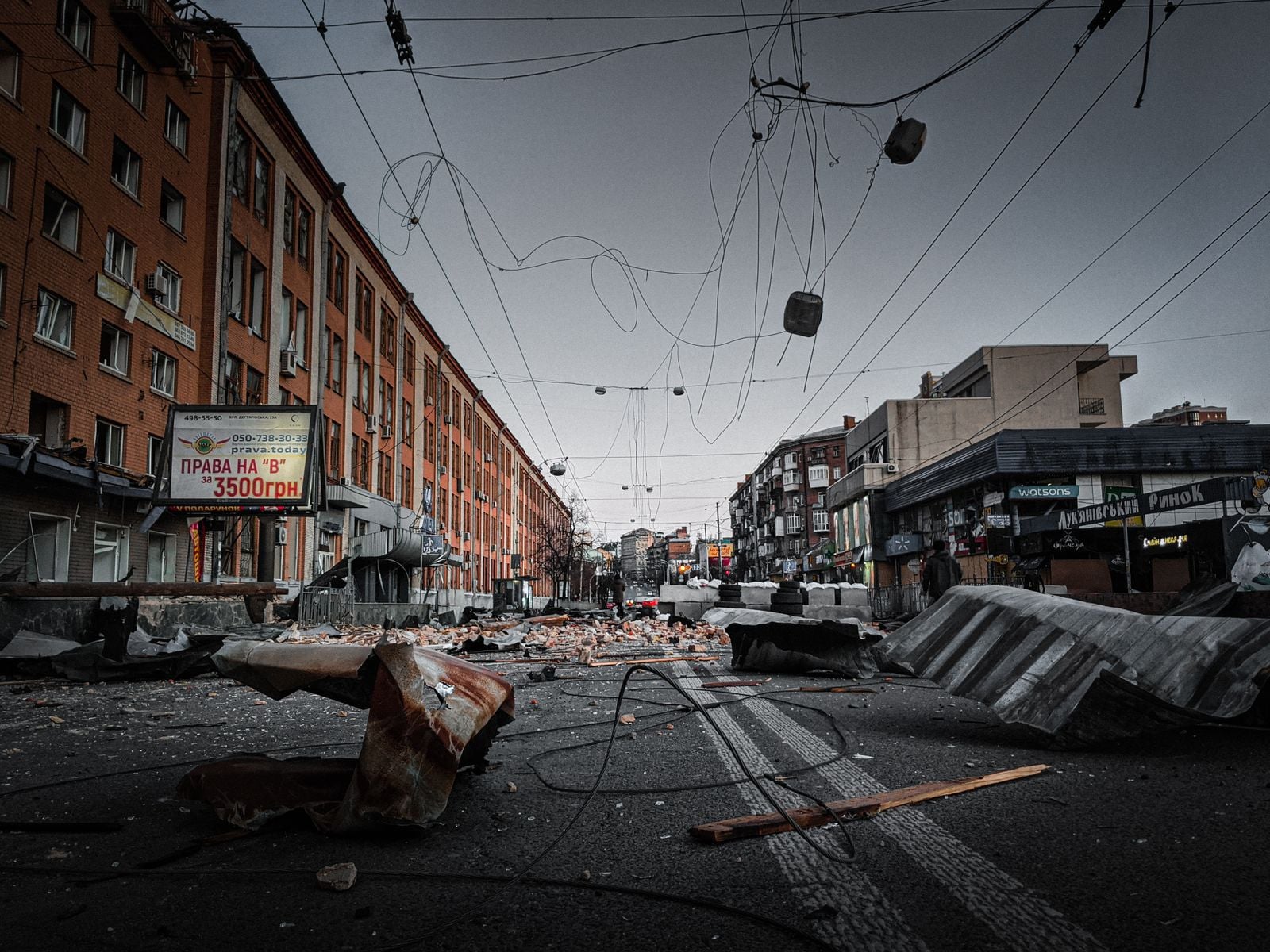
There is a version of this process where that sequencing is efficient. Great-power diplomacy has often worked by two capitals settling the frame before smaller parties are brought in to fill the details. There is also a version where the sequencing is the entire negotiation, and Kyiv is presented with terms rather than consulted on them. The reporting does not yet tell us which version this is.
What it does tell us is that the war’s economic dimension is now openly on the table alongside the military one. References to mutually beneficial projects serve as placeholders for conversations about sanctions relief, energy contracts, frozen assets, and post-war reconstruction contracts. Those are not side issues. In many past conflict settlements, the economic architecture proved harder to unwind than the military one.
Zelensky’s position is more constrained than it was a year ago. Ukrainian air defense faces ongoing challenges. The front is not collapsing, but it is not advancing either. The political case for continuing to fight has to be made again every month, in Kyiv and in Washington and in Berlin. The Kremlin knows this.
Which is why battlefield messaging in official readouts is worth taking seriously as a piece of theater. Russia is telling Washington that its bargaining position is strengthening and that any deal reached later will be worse for Ukraine than a deal reached now. Whether that is true or a bluff, it is the message being sent.
The counter-pressure Ukraine has attempted to build has included deep strikes on Russian airfields, oil infrastructure, and logistics nodes. Some of these operations have been ambitious in scope. Kyiv’s shelved plan to overwhelm Moscow-area airports with autonomous drones was one such attempt to shift the calculus by making the war expensive inside Russia’s political heartland. Reports of limited pauses on certain strikes suggest both sides may have decided, at least briefly, that the cost of escalation exceeds its benefit.
Pauses of that kind have a short half-life. They tend to hold while talks are producing signals and collapse when they are not.
For readers trying to make sense of what actually happened this weekend, three things are worth holding separately. Meetings reportedly occurred, and both sides described them in cautiously positive terms. A limited and time-boxed reduction in certain strikes may have been agreed. And a broader economic conversation appears to have been opened, which the Kremlin appears keen to publicize and the White House has been quieter about.
None of that is a peace deal. None of it is a framework. None of it commits either side to a concession that cannot be walked back on Monday morning.
What it is, is a repositioning. The war is being renegotiated at a table that looks different from any previous table, with participants whose incentives are not the ones diplomats usually bring to a room. That may produce a settlement faster than the previous approach would have. It may also produce a settlement that holds together less well over time, because the parties who will have to live with it — Ukrainians, Europeans, and the Russians who are not in Putin’s inner circle — were not in the room where the frame was set.
What envoys carry with them to Kyiv will tell us more than what was said in Moscow.