

Preferring text does not reveal a single motive. A person can use messages to avoid a difficult conversation, but another person can use the same medium to slow down, choose words carefully, and respond with more honesty than an unexpected call would allow.
The research offers a more complicated picture than the usual stereotypes suggest. In a 2014 study of 395 university students in romantic relationships, psychologist Shanhong Luo found that the proportion of communication conducted by text was associated with attachment dimensions and lower relationship satisfaction. The sheer number of texts sent, however, had little association with attachment or satisfaction.
That was one young, predominantly white university sample, and it cannot explain why every adult chooses one communication channel over another. It does show why texting habits should not be interpreted from a single number or behavior without considering the person, relationship, and wider communication pattern.
The common shortcut is to assume that someone who lets a call ring must be avoiding closeness. As DMNews has explored from another angle, a preference for asynchronous communication can also reflect a need for a pause between receiving something and responding to it.
For some people, that pause matters because a voice carries more than words. Pitch, loudness, rhythm, tempo, hesitation, and sudden changes in warmth can all affect what a listener believes is being communicated.
A 2023 paper published by the Association for Computational Linguistics examined the relationship between spoken words and prosody. The researchers found that prosodic information could not be fully predicted from text, meaning that vocal delivery carries information beyond the words themselves.
That extra layer is part of what makes a call warm and intimate. It is also part of what can make a call demanding for someone who grew up paying close attention to how something was said because the tone often mattered more than the sentence.
Psychotherapist Julia Samuel described part of this childhood pattern in a Guardian feature published on September 13, 2026. Samuel wrote that children remember the emotional atmosphere of a home as much as its physical architecture, absorbing its rhythms and learning whether conflict feels survivable. She added that an unpredictable home can leave a child scanning for danger.
Neither Samuel’s reflection nor the prosody research proves that an unpredictable childhood produces an adult preference for texting. The connection is an editorial inference: voices contain information beyond words, and some people learned unusually early that this information deserved close attention.
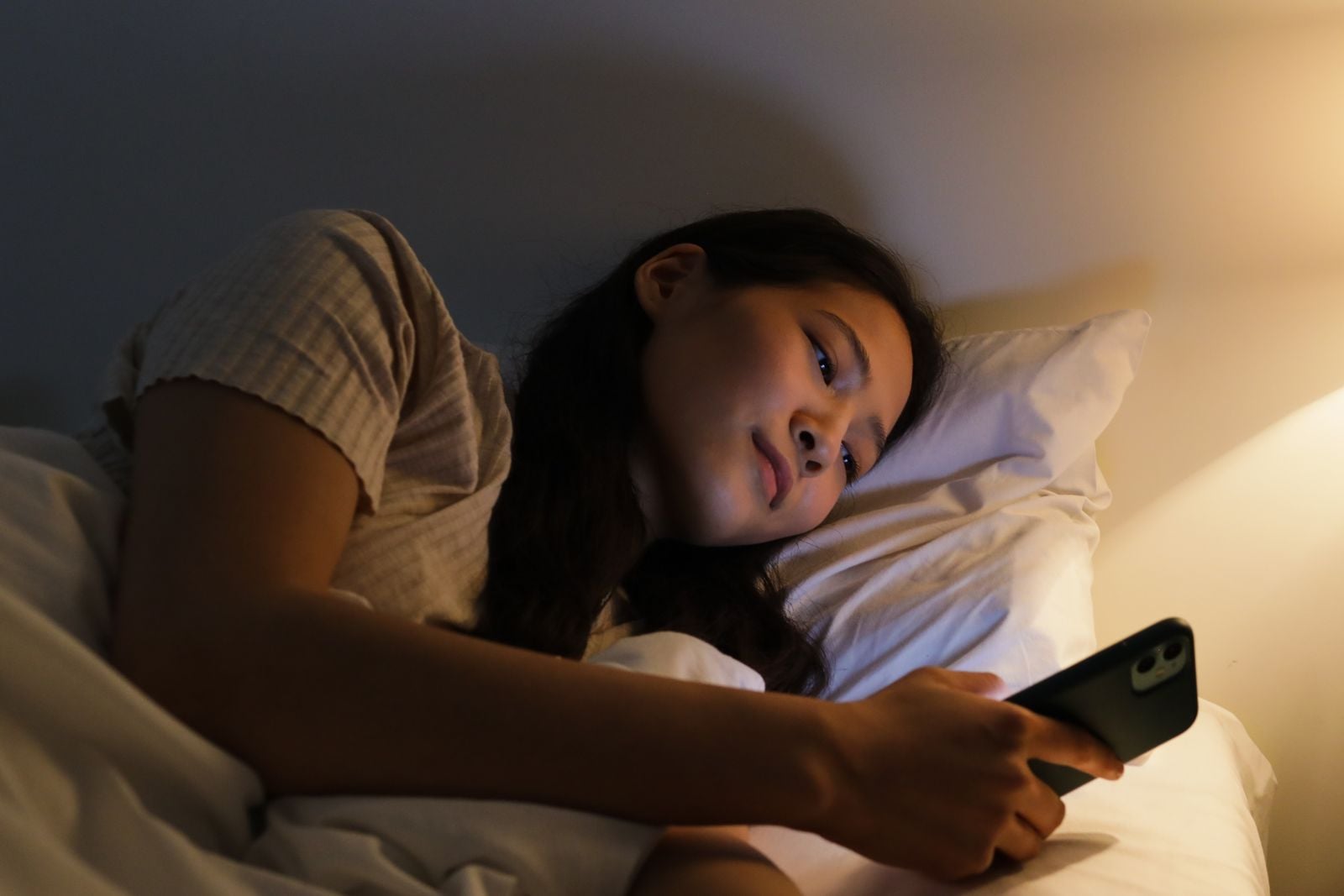
For an adult with that history, an incoming call can involve more than answering a question. It can mean immediately assessing the caller’s energy, interpreting a pause, noticing a change in volume, and deciding how to respond while the other person is still listening.
Text removes much of that vocal layer. It arrives in fragments that can be reread, considered, and answered after the first reaction has settled. The recipient can decide whether a full response is possible now or whether it needs to wait.
This does not make text inherently healthier, more honest, or more intimate than voice. It means only that different channels place different demands on the people using them.
A live call asks for attention and reaction at the same time. Silence can feel conspicuous, and uncertainty has to be managed while another person waits. A message creates an interval between reception and response, and that interval may help someone answer deliberately rather than reflexively.
The distinction is important because the same outward behavior can have opposing meanings. Letting a call go to voicemail can be a way of dodging someone, or it can be a way of preparing to communicate more thoughtfully. The phone screen alone cannot reveal which explanation applies.
Not everyone who prefers text grew up in a volatile or unpredictable household. Convenience, work demands, hearing differences, personality, habit, generational norms, and the nature of a particular relationship can all influence how someone communicates.
It would be equally misleading to treat every reluctance to answer as evidence of a hidden childhood story. The narrower point is that early experience is one possible explanation, particularly when a person is comfortable with closeness in other settings but finds live, disembodied voices unusually tiring.
A person may happily spend hours with a friend face to face, send detailed messages throughout the week, and still resist an unscheduled call. That combination does not automatically point to distance. It may show that the person is choosing the setting in which communication feels most manageable.
Some of what looks like avoidance can therefore be a form of self-management. People who pay close attention to emotional undercurrents can find certain interactions tiring even when they care deeply about the people involved.
Unpredictable households can teach children that spoken words and delivered messages are not always the same thing. A compliment may carry sarcasm, a polite question may conceal irritation, or an ordinary greeting may sound different enough to warn that the evening will be difficult.
Learning to notice those differences can become useful. The adult who once watched for changing moods may later be unusually attentive in meetings, friendships, or demanding work. The same attentiveness can also make voice communication feel crowded with information.
Text offers temporary relief from that density. It preserves the words while removing the pitch, tempo, volume, and hesitation that accompany them. For someone accustomed to interpreting every vocal shift, that absence can feel less like emotional distance and more like quiet.
That does not mean the vocal layer is unimportant. Warmth carries through a voice, as do tenderness, humor, uncertainty, and grief. Some conversations benefit from the immediacy of hearing another person breathe, hesitate, or soften.
Text also has limits. It can conceal tone, prolong misunderstandings, and allow difficult conversations to be postponed indefinitely. Someone who consistently disappears whenever a relationship requires direct engagement may indeed be withdrawing, regardless of the technology involved.
The useful question is therefore not whether texting is intimate or avoidant in itself. It is what the person does with the control and time that texting provides.
Some people use that interval to disappear. Others use it to think, settle, and return with a response that is more present than the one they could have produced on demand. Those two uses may look identical until the quality of the relationship is considered.
The person who lets the phone ring may still remember a detail mentioned months earlier, notice when a colleague’s mood changes, and write back with unusual care. A missed call is not enough evidence to decide that this person fears intimacy or lacks emotional maturity.
For some adults, the preference may be connected to a childhood in which voices had to be read quickly and accurately. Choosing when to engage with that layer of communication is not necessarily avoidance. It can be a boundary around a form of attention that once had to remain switched on.