

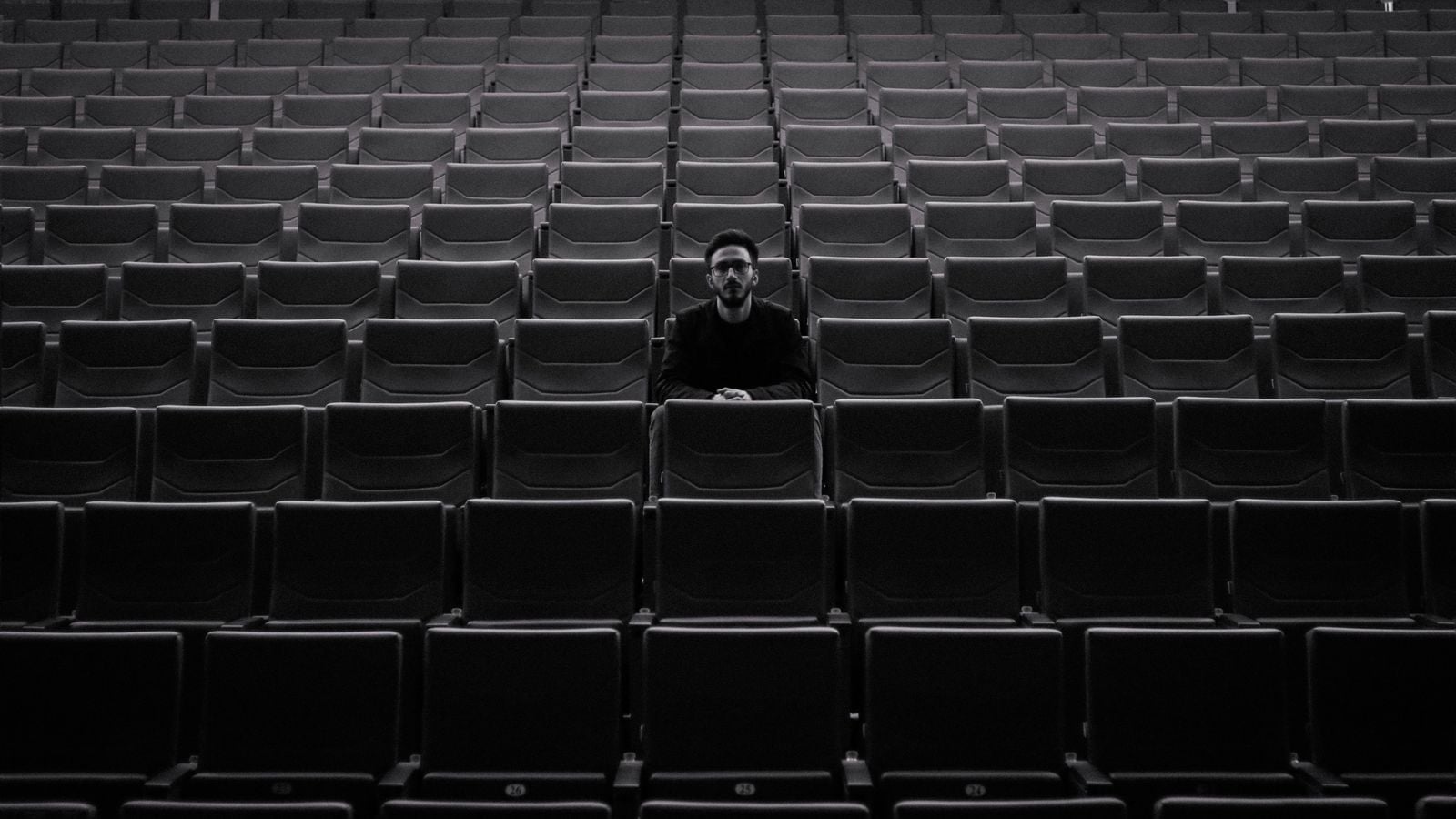
Some people cannot lie on a couch for an hour without feeling watched. Nobody else is in the room, yet a familiar internal voice starts asking what exactly they think they are doing. The quiet feels less like freedom than an accusation waiting to be made.
That reaction is easy to misread as poor self-care or an inability to switch off. Sometimes it does come from workload, habit, financial pressure, or a genuine preference for activity. For some adults, however, the guilt carries the emotional shape of an earlier household.
In certain homes, a child sitting still was rarely allowed to be neutral. A tired or overstretched parent might interpret an idle child as lazy, ungrateful, deliberately unhelpful, or disrespectful. The child’s posture acquired a motive that the child had never intended.
Children learn quickly which behaviors attract criticism and which ones help them avoid it. If visible stillness repeatedly leads to snapping, demands, or suspicion, staying busy can become the safer social position. Motion begins to look like proof of good character.
Years later, that lesson can appear during an otherwise ordinary weekend. A novel remains unread while the pantry gets reorganized, laundry is folded during a film, or an empty afternoon is filled before it has a chance to feel empty. The person may call this discipline without noticing how much guilt is driving it.
The closest established concept is parentification, although it should not be used as a catch-all explanation. A Psychology Today article by clinical psychologist Vinita Mehta defines parentification as a parent turning to a child for practical or emotional support that is inappropriate for the child’s age or culture. The research discussed in the article describes children monitoring their parents closely, providing emotional stability, and behaving like adults before they were ready.
That evidence supports a connection between early responsibility and constant attention to other people’s needs. It does not prove that every adult who feels guilty resting was parentified, nor does it establish that every critical parent created the same adult pattern. It offers one credible route by which usefulness can become tied to safety, acceptance, or belonging.
A child raised around unpredictable fatigue may become highly attentive to whether other people are overwhelmed. The child learns to notice the parent who needs quiet, the chore that has not been finished, or the small task that might prevent an argument. Detecting personal tiredness can receive much less practice.
This can happen without formal role reversal. A child may simply absorb the idea that being visible and idle at the same time invites comment. Cleaning, organizing, fixing, or volunteering then becomes a reliable way to remain beyond criticism.
Family history can add another layer. In households shaped by financial scarcity, migration, demanding work, or adults who rarely had time to rest, leisure may be treated as forgetfulness rather than recovery. The unspoken message is that stopping means failing to appreciate what somebody else sacrificed.
The lesson does not require a formal rule. It can be delivered through repeated sighs, sarcastic comments, comparisons with harder-working relatives, or chores assigned whenever a child looks comfortable. Over time, rest begins to feel like something that must first be earned.
A separate cultural example shows how readily adults may seek external pressure when self-direction feels uncertain. In February 2026, the South China Morning Post reported that thousands of young people in China were turning to livestreams, paid courses, and influencers offering scolding services, particularly for guidance about romantic behavior. Some participants reportedly experienced the scolding as an emotional release.
The report does not say these customers were recreating parental pressure from childhood, so it cannot establish that connection. Its narrower relevance is that an external critical voice can sometimes feel more familiar or usable than quiet self-direction. Familiarity alone, however, does not reveal where that preference began.
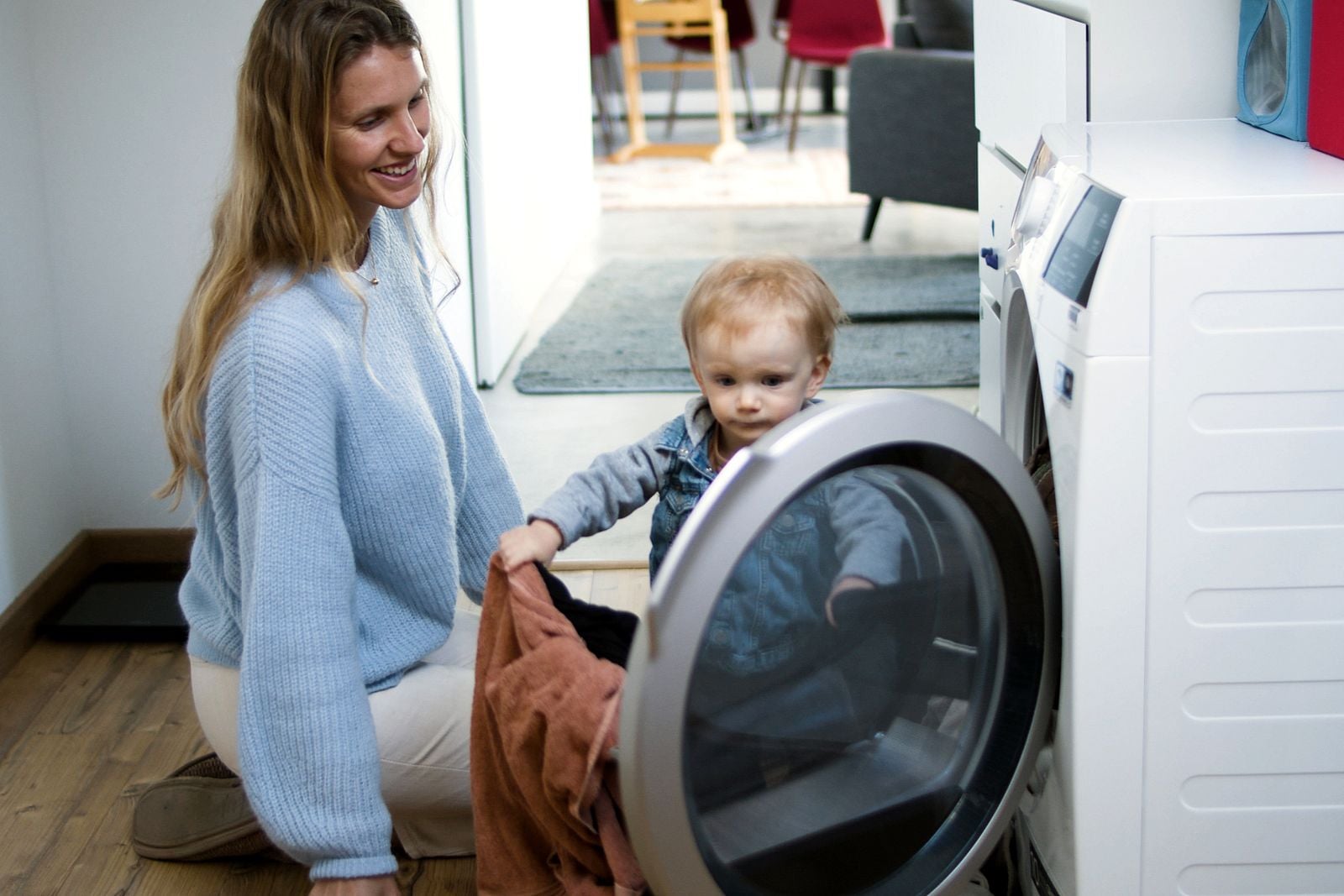
It is also important not to flatten exhausted parents into villains. A parent working two jobs, holding together an unstable household, or carrying responsibilities with little support may have had entirely understandable reasons for feeling tired. The damage can occur when that exhaustion is translated into a judgment about the resting child.
The child becomes the nearest available surface for a pressure caused by something much larger. Rent, work, discrimination, family obligation, or an unequal division of care cannot easily be confronted in the moment. A child lying on the sofa can.
Adult children may therefore carry two truths at once. They remember being criticized for resting, while also understanding exactly why their parent had no room for rest. Loosening a habit of constant motion can then feel like a small betrayal of the person who never had the same choice.
This conflict is especially visible in caregiving roles. Stylist has published expert guidance specifically about resting without guilt as a mother, illustrating how common the conflict between care and personal rest has become. That reporting does not establish a childhood cause, but it does show that guilt can remain attached to rest even when rest is clearly needed.
The adult pattern is not always obvious weekend workaholism. It may look like booking every vacation around activities, feeling relieved when a free afternoon becomes busy, or cleaning the kitchen before allowing a television episode to begin. The activity matters less than the internal requirement to justify being still.
Usefulness can also become a social identity. Someone may become the friend who helps everyone move, the colleague who stays late, or the sibling who handles every family emergency. When responsibility later shifts toward caring for a frail parent, that identity can carry its own particular weight.
The problem is that rest can appear to threaten more than productivity. It can seem to threaten the role through which a person has earned approval and secured a place in relationships. An empty afternoon then feels unsettling because it removes the usual evidence of usefulness.
Standard advice about taking more breaks can miss this distinction. The person may already understand that rest is beneficial while finding that the experience itself produces unease, guilt, or the expectation of criticism. Knowing that the room is quiet does not immediately silence the voice learned in another room.
Child and adolescent psychiatrist Suzan J. Song offers useful language for thinking about emotional tolerance. A September 2026 feature presenting Song’s guidance explains that resilient children do not avoid painful feelings; they learn that they can carry those feelings and continue functioning. Applied cautiously to adults, that idea suggests that discomfort does not have to disappear before rest becomes permissible.
This is not a diagnosis, and it is not the only explanation for restlessness. Work pressure, money, temperament, caregiving, physical discomfort, and simple preference can all shape how somebody spends a weekend. The childhood pattern described here is one possible route, not a universal account.
What makes the pattern distinctive is the moral weight attached to stillness. The person does not merely feel bored or eager to do something. They feel as though resting says something bad about who they are.
Noticing the difference can change the meaning of a quiet Saturday. The discomfort may still arrive, but it no longer has to be accepted as proof of laziness or ingratitude. It can be recognized as an old expectation appearing in a room where nobody is making the accusation now.
The couch is not the site of a moral test. It is a piece of furniture in a home where stillness no longer needs to be explained. Some weekends that distinction will feel convincing, and some weekends it will not, but the guilt itself is not evidence of a character flaw.