
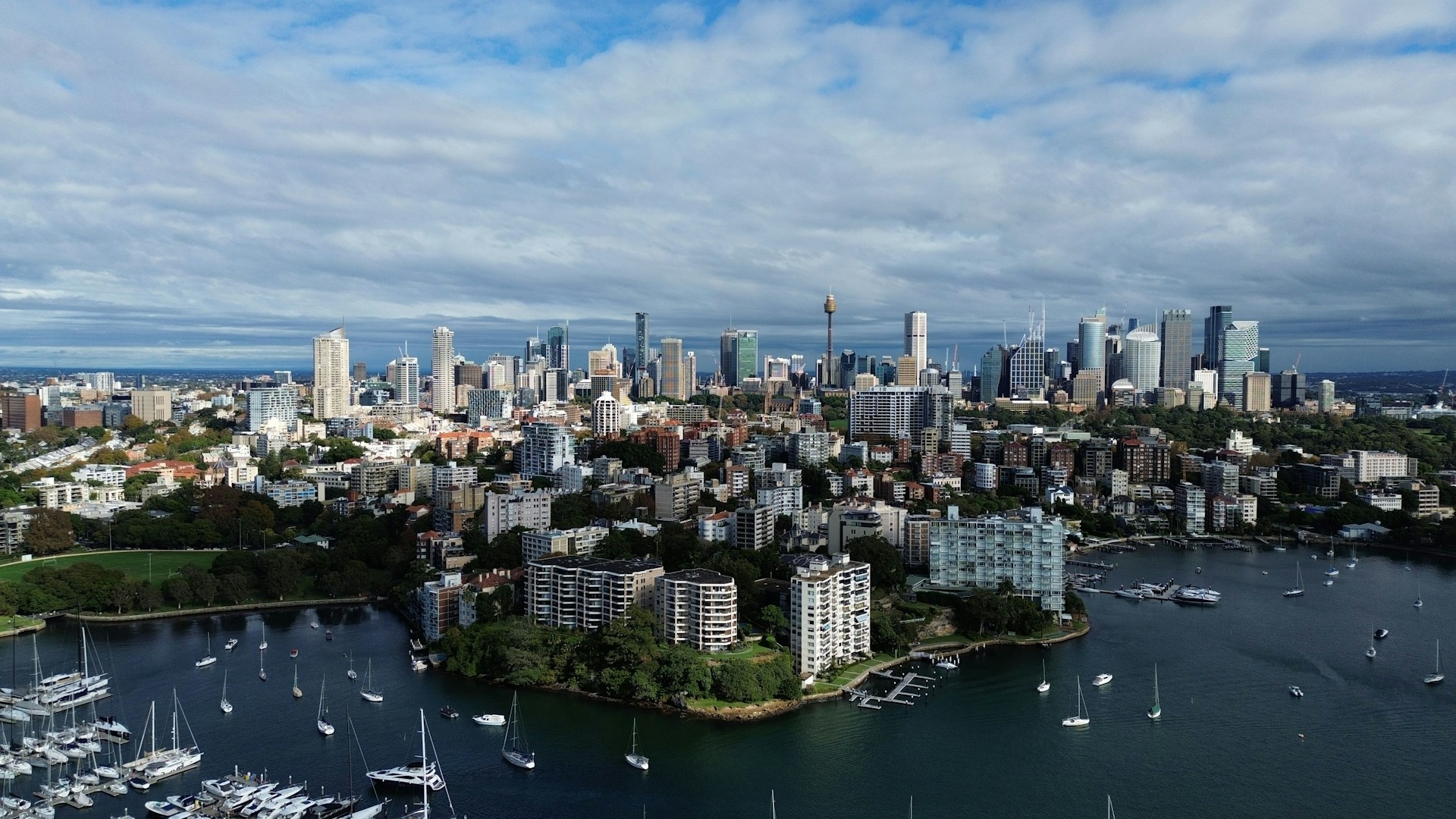
Singapore, a speck on the map, has defied the odds to become Asia’s financial colossus. Its journey from a struggling, resource-starved nation to a global hub of finance and innovation is nothing short of astonishing. As I walk through the gleaming streets of Marina Bay, the skyline towering above me like a testament to human ambition, I can’t help but marvel at how this tiny island has captured the world’s attention—and, in many ways, my own. Living here while running ventures like The Vessel and Brown Brothers Media, this city remains a paradox for me: a place of immense opportunity that I admire deeply, yet one that hasn’t fully settled into my bones. As I wrote recently, Singapore is a place I’m still figuring out. Still, Singapore’s improbable rise and its magnetic pull for expats like me—a blend of career prospects, cultural vibrancy, and relentless forward momentum—demand exploration. How did this small nation transform itself into a financial titan, and what keeps drawing people like me to its shores? (The Vessel is operated by Brown Brothers Media, so we may earn money if you buy through this link.)
The story begins in 1965, when Singapore stumbled into independence, cast adrift from Malaysia with little to its name. Unemployment stalked its streets, infrastructure was a patchwork of colonial relics, and housing was a crisis waiting to explode. No oil, no vast farmlands, no sprawling hinterland—just a humid, 700-square-kilometer island surrounded by giants. It was the kind of start that could have broken a lesser nation. But then came Lee Kuan Yew, a man whose vision was as steely as it was audacious. He saw what others didn’t: that Singapore’s lack of resources could be its strength, forcing it to innovate where others leaned on abundance. His blueprint—free-market dynamism tempered by pragmatic central planning—turned desperation into a launchpad. As someone who’s spent years dissecting personal growth and resilience, I find his approach almost intoxicating. It’s the kind of calculated boldness I try to channel in my own work, whether I’m building a media platform or navigating life across different countries.
That vision took root in the financial sector, where Singapore planted its flag early and decisively. In the late 1960s, the government nurtured the Asian Dollar Market, a move that sounds arcane but was pure genius—essentially creating an offshore hub for U.S. dollar transactions in Asia. Foreign banks flooded in, lured by tax breaks and a government that rolled out the red carpet instead of red tape. This wasn’t just about stacking cash; it was about weaving Singapore into the fabric of global trade, making it indispensable. I see echoes of that strategy every day here. The financial district hums with energy—bankers, fintech startups, wealth managers—all orbiting a system designed to let capital flow like water. For me, it’s meant a sandbox where I can experiment with online ventures, knowing the ecosystem supports risk-takers. Singapore didn’t just build a financial hub; it built a gravitational pull.
But ambition alone doesn’t make a powerhouse. Singapore paired its financial gambit with a physical transformation that still stuns me. The Housing Development Board didn’t just house people; it rewrote the social contract, turning slums into modern flats and giving citizens a stake in the nation’s rise. Meanwhile, the Economic Development Board courted industries—electronics, shipping, manufacturing—laying down roots for jobs and growth. From a per capita GDP of US$500 in 1965 to US$55,000 today, the numbers tell a story of relentless execution. I’ve wandered through neighborhoods like Toa Payoh, where HDB blocks stand as quiet monuments to that era, and felt the weight of what’s possible when a society builds for its people, not just its profits. It’s a lesson in infrastructure as identity, something I’ve come to appreciate as I balance work and life in this meticulously planned city.
What sets Singapore apart, though, is how it welcomes business with a clarity that borders on obsession. Low taxes—personal and corporate—act like a siren call, while political stability and a corruption-free government (a rarity in much of the world) provide the bedrock. It’s why giants like Google and DBS Bank anchor here, and why I found setting up Brown Brothers Media refreshingly painless—no bureaucratic quicksand, just a system that says, “Go build.” For expats, this is gold dust. Singapore doesn’t just tolerate ambition; it fuels it, offering a platform where your ideas can breathe without being smothered by inefficiency.
Geography handed Singapore a trump card, and it played it masterfully. Sitting at the nexus of Asia’s trade routes, its port became a global artery, funneling goods from East to West. I watch the ships glide past from my window, a daily reminder of how location and foresight turned a natural advantage into a superpower. But it’s the human element that truly seals the deal. Education wasn’t an afterthought here—it was a cornerstone. Universities like NUS churn out graduates who can compete anywhere, while a culture of upskilling keeps the workforce agile. I’ve worked with designers, developers, and marketers here who could hold their own in Silicon Valley or London, yet they’re rooted in a city that’s always one step ahead. It’s a talent pool that keeps Singapore humming, and for someone like me, it’s a creative lifeline.
So why do expats flock here? For me, it’s a cocktail of practicality and possibility. The career opportunities are a no-brainer—finance, tech, media, you name it, Singapore’s got a seat at the table. But it’s more than that. The quality of life hooks you: clean streets, a metro system that runs like clockwork, healthcare that doesn’t bankrupt you. The safety and stability mean everything when you’re trying to focus on building something meaningful. Then there’s the culture, a kaleidoscope of Chinese, Malay, Indian, and global influences. I can grab a bowl of Hainanese chicken rice at a hawker stall, then lose myself in the lanterns of Chinatown during Lunar New Year. It’s a sensory overload that feeds my curiosity, a stark contrast to the monochrome sprawl of some Western cities.
Financially, Singapore’s a dream. Low taxes stretch my earnings, letting me pour more into my ventures or save for the next chapter. And the connectivity? Changi Airport is a portal to Asia—Bangkok one weekend, Tokyo the next. Having lived in cities like London, New York, LA, Bangkok, and Ho Chi Minh City, I can say Singapore’s position as a gateway to the continent is unmatched. But it’s not flawless. The cost of living bites—rent alone can swallow a hefty chunk of your income, and the relentless pace can wear you down if you’re not careful. There’s a reason I’ve written about not being able to fully call Singapore home. The efficiency that makes it extraordinary can also make it feel sterile, a city so optimized it sometimes forgets to leave room for messiness—for the spontaneous, the imperfect, the human.
And yet, I keep coming back to the sheer improbability of what Singapore has achieved. From a struggling port city to one of the world’s richest nations in a single generation—it’s the kind of story that makes you rethink what’s possible. For expats, it offers something rare: a place where your ambitions aren’t just welcome but actively supported, where the infrastructure of success is built into the very fabric of the city. It’s not paradise—no place is—but it’s a proving ground, a place that challenges you to rise to its level. As someone who’s spent his career exploring what drives people and ideas forward, from founding Brown Brothers Media to co-creating The Vessel, I find Singapore endlessly fascinating. It’s a city that asks you one question, every single day: what are you going to build?