PsychologyLatest
The accountability gap big tech still won’t close
When Facebook announced in early 2020 that it would ban deepfakes, the headlines were largely positive.

Politics,
read clearly.
Reporting, analysis, and human patterns, ordered by publication date and built to be read beyond the headline.
When Facebook announced in early 2020 that it would ban deepfakes, the headlines were largely positive.
In January 2000, the European Union made a move that barely registered in the American press.
You typed a question, received a list of options, and chose where to go.
The chatbot told her she was likely experiencing a panic attack.
Sometime in late 2024, people started noticing that political memes on social media looked different.
Large families generate a particular kind of acoustic camouflage.
The most anticipated blockbuster of 2026 is a film about the psychological collapse of its own hero.
The gap between that number and the promise of "mass deportation" is not a failure of political will.
The pattern is so common it barely registers as remarkable anymore.
Forty years after the murder and thirty years after a commission promised the family truth and accountability, Lukhanyo was still searching for both.
The core problem is not that Democrats disagree.
Crystal lost his Palisades home in the devastating 2025 fires that tore through Los Angeles, destroying a place where he had lived for 46 years.
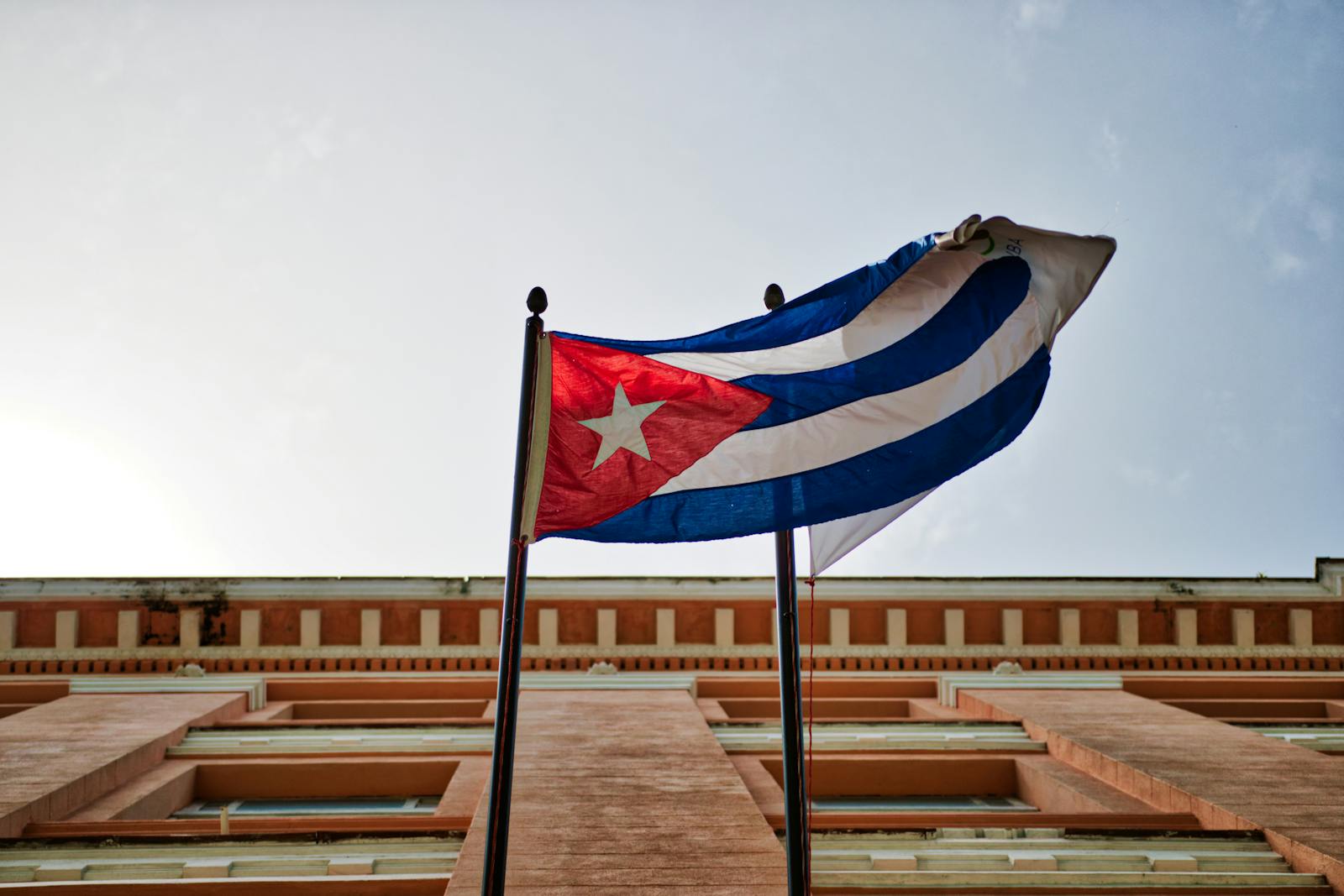
For longtime observers of U.S.-Cuba relations, the news landed like a cold echo from the Cold War era.
The U.S. financial system, and every bank that touched it, had been walled off.
The common belief about political coalitions is that they break apart slowly, eroded by decades of demographic change and generational drift.
Last September, the VP reportedly expressed concerns about Nora's communication style to a mutual colleague.