- Tension: We perform authenticity online while claiming to hate performative behavior.
- Noise: The constant pressure to appear genuinely unfiltered creates increasingly filtered communication.
- Direct Message: True authenticity cannot exist when it’s consciously crafted for an audience.
To learn more about our editorial approach, explore The Direct Message methodology.
I spent twelve years listening to people describe themselves — first in my clinical practice, then in their online personas, watching the gap between these two versions grow wider with each passing year.
The most honest conversations I had were with clients who would never dream of sharing their actual thoughts online, while the people who posted about their “authentic journey” were often the least connected to themselves in our sessions. This contradiction became impossible to ignore.
The performance we call realness
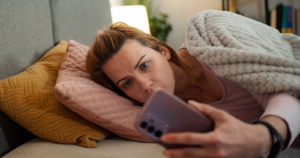
Last week, I watched someone film themselves crying about a breakup, edit the video, add music, choose a filter, and post it with the caption “raw and unfiltered.” The video got 200,000 views. The comments praised their bravery, their realness, their willingness to be vulnerable. Nobody mentioned the obvious — that deciding to film yourself crying requires stepping outside the experience of crying to become both performer and director of your own grief.
We’ve created a culture where documenting pain has become more important than feeling it. Where sharing our struggles means packaging them into digestible content. Where being “real” requires constant curation of which parts of reality deserve screen time.
The clinical term for this would be “performative authenticity,” though that phrase itself has become so overused it’s lost its meaning — another casualty of our need to label everything we do online. But the pattern remains: we announce our authenticity so loudly and so often that the announcement itself becomes the performance.
I keep thinking about my old notebooks from practice, where I tracked the same patterns appearing across different lives. One pattern that emerged repeatedly: the clients who talked most about being authentic were often the least connected to their actual experiences. They could describe their authenticity in detail but couldn’t access their genuine feelings without first considering how those feelings would appear to others.
When vulnerability becomes currency
Shannon Sauer-Zavala, Ph.D., a clinical psychologist, argues that “Authenticity is not about preserving your default patterns. It’s about acting in line with what matters most to you, even when doing so requires stretching beyond what feels familiar.”
But online, we’ve reversed this. We preserve our default patterns — our familiar ways of presenting ourselves — and call them authentic because they feel comfortable to perform. We’ve turned vulnerability into a brand, confession into content, and authenticity into an aesthetic choice.
Consider how we share our struggles now. Depression becomes a thread. Anxiety becomes a reel. Trauma becomes a carousel post with carefully designed slides. We’ve learned to transform our pain into engagement metrics, and we call this healing. We call this community. We call this breaking the stigma.
But there’s something fundamentally different about sharing your story when you know it needs to perform well. When you’re crafting your vulnerability for maximum relatability. When you’re editing your rawness for the algorithm.
In my practice, I saw how genuine vulnerability happens — messy, nonlinear, often wordless. It doesn’t photograph well. It doesn’t fit into character limits. It certainly doesn’t come with background music and transitions.
The exhaustion of constant documentation
We’re living in an era where every experience arrives pre-packaged with the question: how will I share this? Every sunset becomes potential content. Every conversation might be tomorrow’s post about authentic connection. Every moment of joy or sorrow gets filtered through the lens of its shareability.
This constant documentation creates a particular kind of exhaustion — not just the fatigue of creating content, but the deeper weariness of never fully inhabiting our own experiences. We’re simultaneously living and watching ourselves live, performing and critiquing our performance, being authentic and monitoring our authenticity metrics.
I remember a client who couldn’t enjoy their vacation because they were too busy documenting it as “living their best life.” Another who felt genuinely anxious when having experiences that didn’t photograph well, as if undocumented joy somehow didn’t count. They weren’t unusual. They were simply living the logical conclusion of a culture that has confused broadcasting with being.
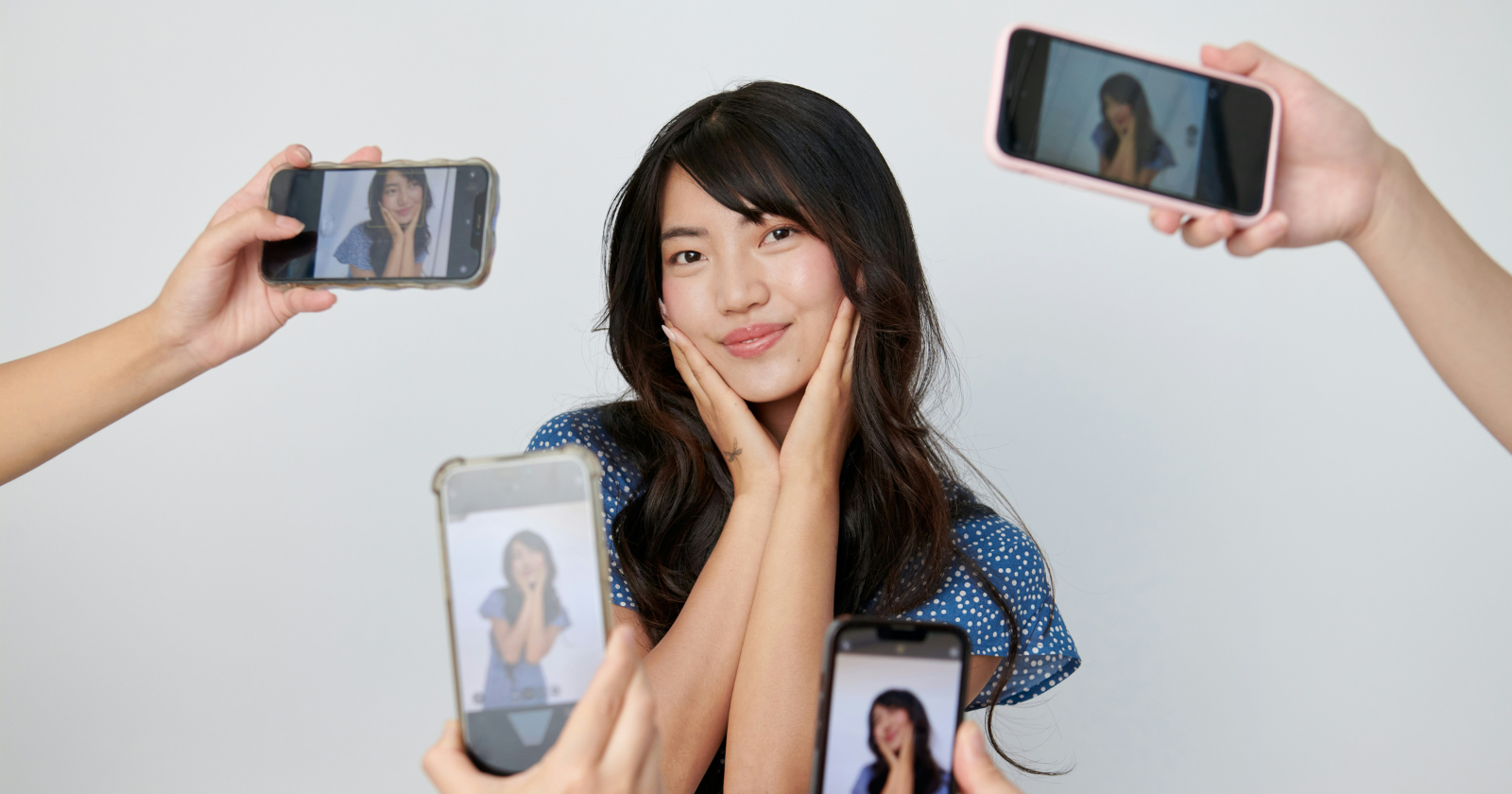
The irony is that in our desperate attempt to appear authentic, we’ve created the most mediated form of human communication ever recorded. Every spontaneous moment is planned. Every casual share is calculated. Every vulnerable revelation is workshopped in our minds before it hits the screen.
What we’ve traded for likes
The cost of this performed authenticity goes beyond individual exhaustion. We’re rewiring how we understand human connection itself. We mistake engagement for intimacy, shares for support, comments for conversation. We’ve created a world where being seen matters more than being known.
I think about the thousands of hours I spent with clients, the slow work of genuine understanding that happens when two people sit in a room without cameras, without audiences, without the possibility of going viral. That work — quiet, private, undocumented — feels almost countercultural now.
We’ve traded the discomfort of genuine human connection for the safety of curated vulnerability. We’ve exchanged the risk of being truly seen for the control of managing our image. We’ve given up the possibility of surprise, growth, and genuine discovery in our relationships for the predictability of performed intimacy.
The most authentic thing we could do might be to stop talking about authenticity altogether. To stop announcing our realness. To stop performing our vulnerability for strangers on screens.
Conclusion
Perhaps the deepest irony is that we all know this. We know we’re performing. We know others are performing. We participate in this elaborate theater where everyone pretends not to notice the stage lights, the scripts, the carefully rehearsed spontaneity. We applaud each other’s authenticity while knowing it’s anything but.
Yet we continue, because the alternative — genuine, unmediated, unperformed existence — has become almost unimaginable. We’ve forgotten what it feels like to have experiences that belong only to us, connections that exist without documentation, growth that happens without an audience.
The path forward isn’t about becoming more authentic online — it’s about recognizing that authenticity and performance are fundamentally incompatible. No amount of vulnerability posts or real talk videos will resolve this contradiction. The moment we craft our truth for consumption, it becomes something else entirely.
Maybe that’s okay. Maybe we can stop pretending otherwise. Maybe the most honest thing we can do is admit that our online selves are performances, and save our actual authenticity for the spaces where nobody’s watching, recording, or keeping score. Those spaces still exist, but only if we’re brave enough to put down our phones and find them.