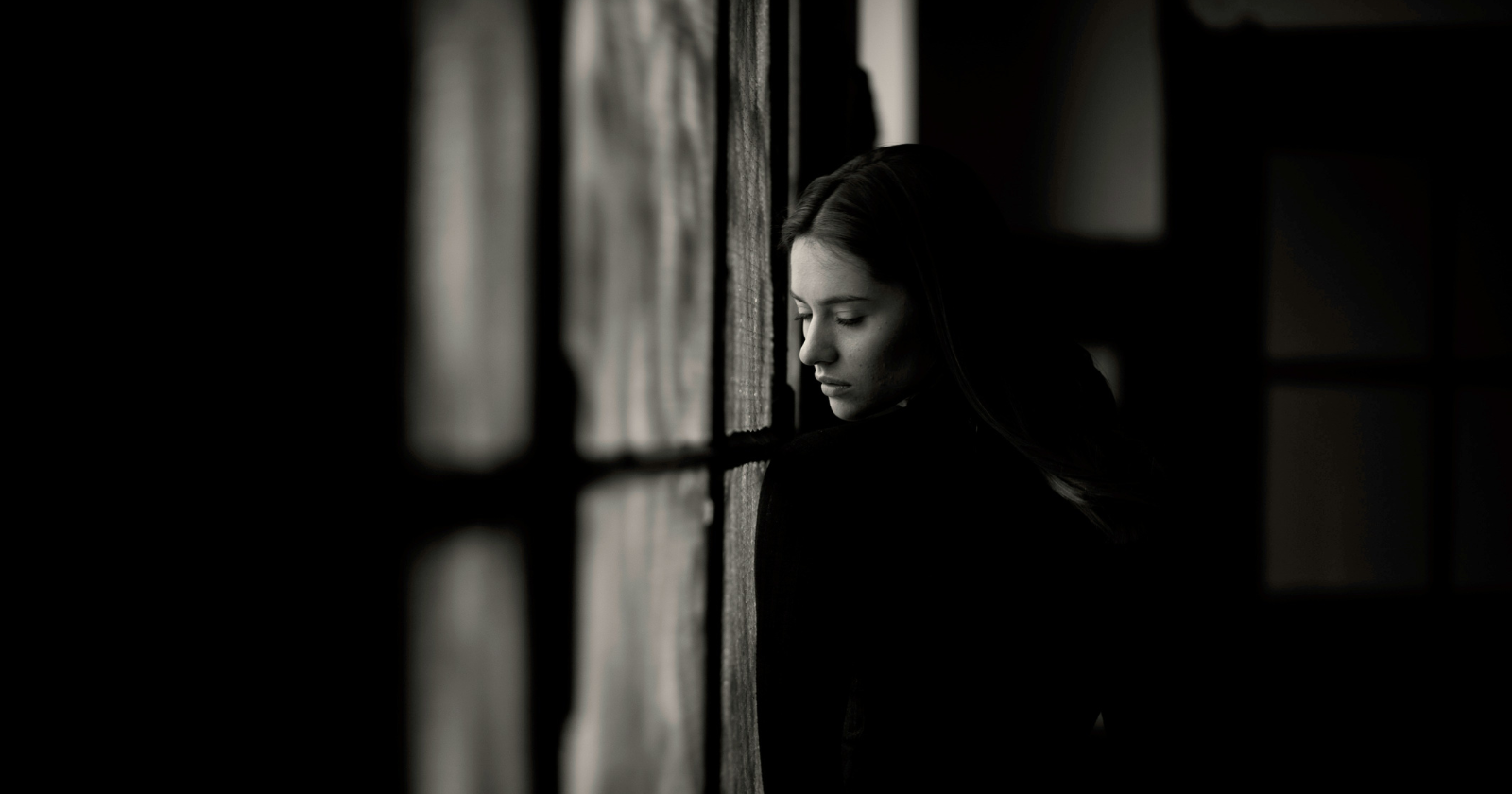
- Tension: We perform intimacy online while starving for genuine connection offline.
- Noise: The algorithm rewards vulnerability theater over actual human presence.
- Direct Message: Your loneliness isn’t from lack of audience—it’s from becoming one.
To learn more about our editorial approach, explore The Direct Message methodology.
Last week, I watched two women in the coffee shop where I work some mornings. One scrolled through her phone, periodically holding it up to capture her latte art, adjusting the angle three times before posting. The other sat with a worn paperback, occasionally glancing up when someone walked by. I found myself wondering which one felt less alone.
The question stayed with me because I’ve been thinking about a particular kind of modern isolation. Not the isolation of the quiet ones, the lurkers, the people who observe from the edges of digital spaces.
I’m thinking about the other kind—the people who share their morning routines, their therapy breakthroughs, their relationship struggles, their small victories and large griefs, all formatted for maximum engagement. They’ve built audiences of thousands who know their coffee order, their childhood trauma, their favorite brand of anxiety medication. And yet.
When sharing becomes performing
There’s a clinical term we use called “pseudo-mutuality”—a pattern where families maintain surface harmony while avoiding genuine emotional contact. Everyone plays their role, says the right things, maintains the appearance of closeness. But underneath, there’s this vast disconnection. Nobody actually knows anybody.
I keep thinking about how perfectly this describes what we’ve built online. We’ve created elaborate performances of intimacy. We share our struggles in carefully edited vulnerability posts. We respond with heart emojis and “this resonates” comments. We build follower counts that feel like friendships until we realize we can’t call any of these people when we’re crying at 2 AM.
During my years in practice, I saw this pattern emerging before we had words for it. Clients would show me their phones, scrolling through hundreds of supportive comments on posts about their depression or divorce. “Look,” they’d say, “all these people care.” But when I asked who they’d talked to that week—really talked to, not just exchanged updates with—the silence would stretch.
The thing about genuine connection is that it requires what attachment researchers call “attunement”—that back-and-forth dance where someone reads your cues, responds, adjusts, responds again. It’s messy and inefficient. It can’t be scheduled or optimized. It definitely can’t be batched with your other content creation for the week.
The algorithm doesn’t love you back
We’ve replaced relationships with metrics. Instead of wondering if someone understood us, we check if they liked our post. Instead of feeling heard, we count views. We’ve transformed the human need for witnessing into a strange numbers game where more is supposedly better, but more of what, exactly?
I left social media in any meaningful personal way years ago, maintaining only the bare minimum for my writing. The relief was immediate and profound—like finally taking off shoes that had been too tight for years. But what struck me wasn’t the peace of the silence. It was realizing how much of my internal life had been unconsciously formatted for sharing. I’d catch myself mentally crafting posts about experiences while still having them. The sunset wasn’t just beautiful; it was beautiful in a way I needed to capture and caption.
This is what we don’t talk about enough—how the constant possibility of sharing fundamentally changes our relationship with our own experience. We become split between living and documenting, between feeling and performing our feelings. We’ve become our own audience.
The cost of constant visibility
There’s something particularly cruel about loneliness that happens in public. When you’re alone in private, at least the aloneness makes sense. But when you’re alone while hundreds of people watch you, engage with your content, even say they love you—that’s a special kind of isolation. It makes you question your own reality. Am I connected or aren’t I? If all these people see me, why do I feel invisible?
In my practice, I worked with people who had what looked like full lives—busy schedules, active social media presence, lots of “friends.” But when we’d map their actual support system, their real connections, the people who knew them beyond their curated highlights, the map would be startlingly empty.
The paradox is that the more we share, the more we hide. Every post is both a revelation and a concealment. We show the parts that get engagement, that fit the narrative we’ve established, that won’t upset our carefully cultivated audience. Meanwhile, the messy, contradictory, unpalatable parts of ourselves—the parts that most need witnessing—remain unseen.
My cat Bowlby (yes, named after the attachment theorist) demonstrates healthier boundaries than most of us. He’s avoidantly attached, which I find professionally fascinating. He wants connection on his terms, when he chooses, for exactly as long as feels right to him. Then he leaves. No explanation, no guilt, no checking to see if his absence upset anyone. He doesn’t perform his need for space; he just takes it.
Finding our way back
I don’t think the answer is to abandon the internet entirely. That’s neither realistic nor necessary. But we might need to radically reimagine what connection means in digital spaces.
What if we stopped measuring relationships by reach and started measuring them by depth? What if instead of broadcasting to thousands, we had actual conversations with three people? What if we valued the person who really knows us over the hundreds who know our brand?
The clients I remember most from my practice weren’t the ones with the most dramatic stories. They were the ones who eventually stopped performing their pain and started simply feeling it. Who stopped curating their healing and started actually healing. Who realized that being known by one person who could handle their full complexity was worth more than being liked by thousands who only knew their highlights.
The paradox of witnessed loneliness
We’ve built a world where loneliness has an audience. Where isolation gets likes. Where disconnection drives engagement. We’ve turned the most human experiences into content, and then we wonder why consuming and creating that content doesn’t make us feel more human.
The loneliest people I encounter now aren’t hermits or recluses. They’re the ones refreshing their notifications, hoping this next comment will be the one that makes them feel seen. They’re posting into the void and calling it connection, mistaking being witnessed for being known.
Real connection—the kind that actually addresses loneliness—requires something the internet doesn’t naturally provide: presence without performance, witnessing without metrics, vulnerability without virality. It requires us to stop being our own audience long enough to actually experience our own lives. To let relationships be inefficient, conversations be unrecorded, moments be unshared.
Maybe the bravest thing we can do now isn’t to share more of ourselves online. Maybe it’s to hold something back. To have experiences we don’t document, feelings we don’t post about, struggles we only share with people who have earned the right to hear them. Maybe the antidote to performative intimacy isn’t more performance. Maybe it’s finally, quietly, stepping off the stage.