
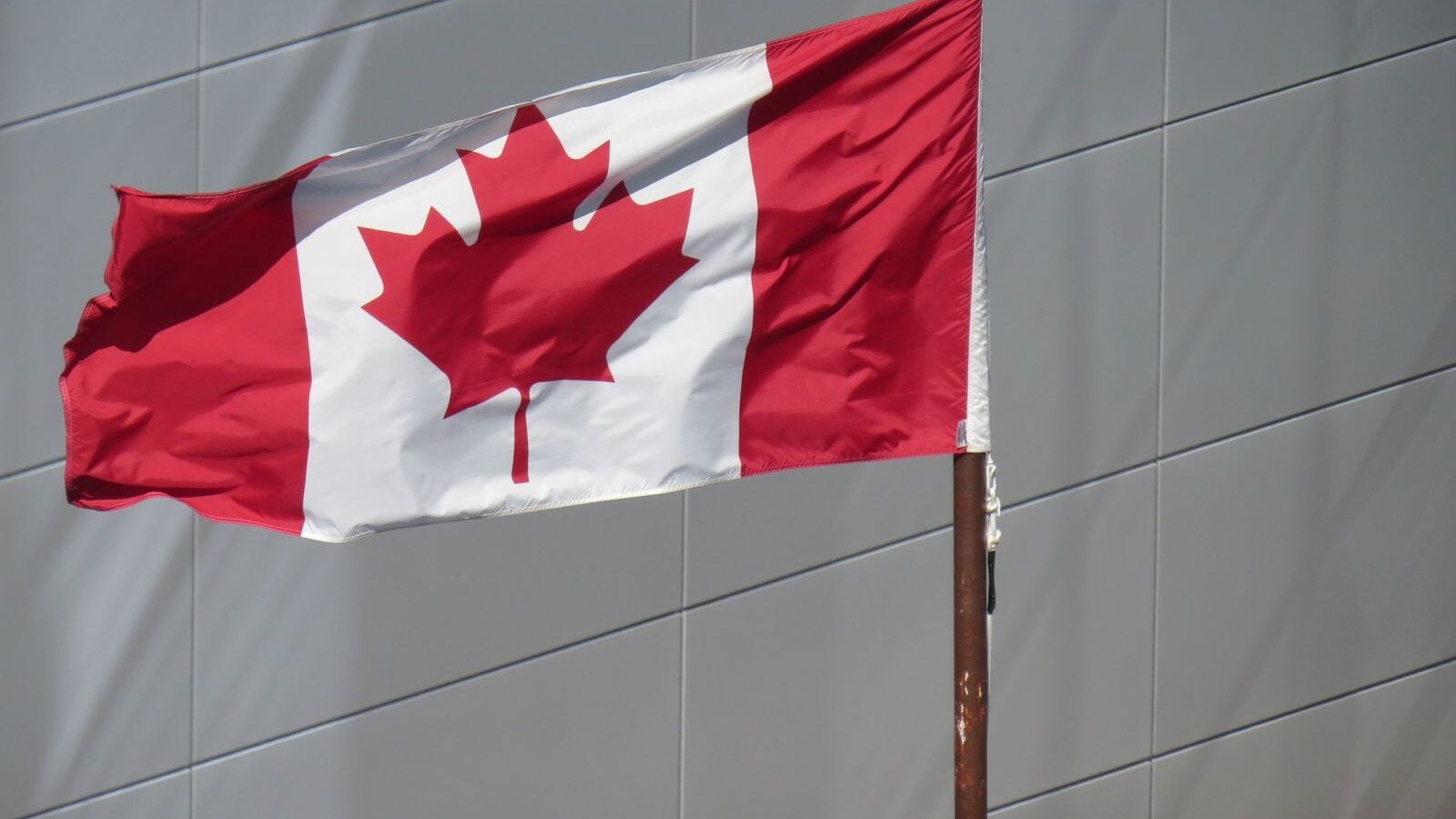
Canada’s new counter-tariffs took effect at 12:01 a.m. on September 8, 2026. According to the Department of Finance tariff schedule, duties of 15%, 25%, and 50% apply to C$27.6 billion in US-origin imports. That is approximately US$20 billion.
The measures cover steel, dairy, appliances, agricultural equipment, pulp and paper, electronics, and hundreds of other product classifications. Al Jazeera reported that the tariffs took effect after trade negotiations failed and identified Mark Carney, not Justin Trudeau, as Canada’s prime minister.
The tariffs respond to US duties imposed on Canadian goods in August. Ottawa describes its response as dollar-for-dollar and rate-for-rate, meaning the Canadian measures are intended to match the value and rates of the American action.
That does not mean the money is initially collected from American exporters. Canadian customs authorities collect the tariff from the importer bringing the affected product into Canada. The importer can absorb the added cost, ask suppliers for concessions, switch sources, or pass some of the expense along through higher prices.
The 96% figure in the original framing came from a January 2026 Kiel Institute policy brief. Using shipment-level data covering almost $4 trillion in trade, its authors concluded that foreign exporters absorbed about 4% of the 2025 US tariff burden while the remaining 96% passed through to US buyers.
That is strong evidence against the claim that foreign countries simply pay another government’s tariffs. It is not, however, a measurement of Canada’s September 2026 counter-tariffs. Applying the exact 96% figure to a different country, tariff schedule, and period would create false precision.
The more directly relevant evidence comes from a 2026 Bank of Canada staff working paper examining Canadian retaliatory tariffs introduced in March 2025. It found that retail prices for tariffed goods rose gradually and peaked about 6% higher after three months, representing roughly one-quarter pass-through from the 25% tariff to retail prices.
The researchers also found little systematic decline in the prices received by US exporters. That suggests foreign suppliers absorbed only a limited part of the burden, although the paper could not divide the remaining cost precisely among Canadian importers, wholesalers, retailers, and consumers.
The defensible conclusion is therefore broader than the original 96% claim. Most of the economic burden is likely to remain inside the country imposing the tariff, but consumers may not see the entire tariff rate added immediately to the shelf price. Businesses can absorb part of it through lower margins, draw down existing inventory, change suppliers, or delay price increases.
Retaliation is still a domestic economic cost used for a foreign-policy purpose. It has a political target abroad, but much of its financial pressure appears at home.
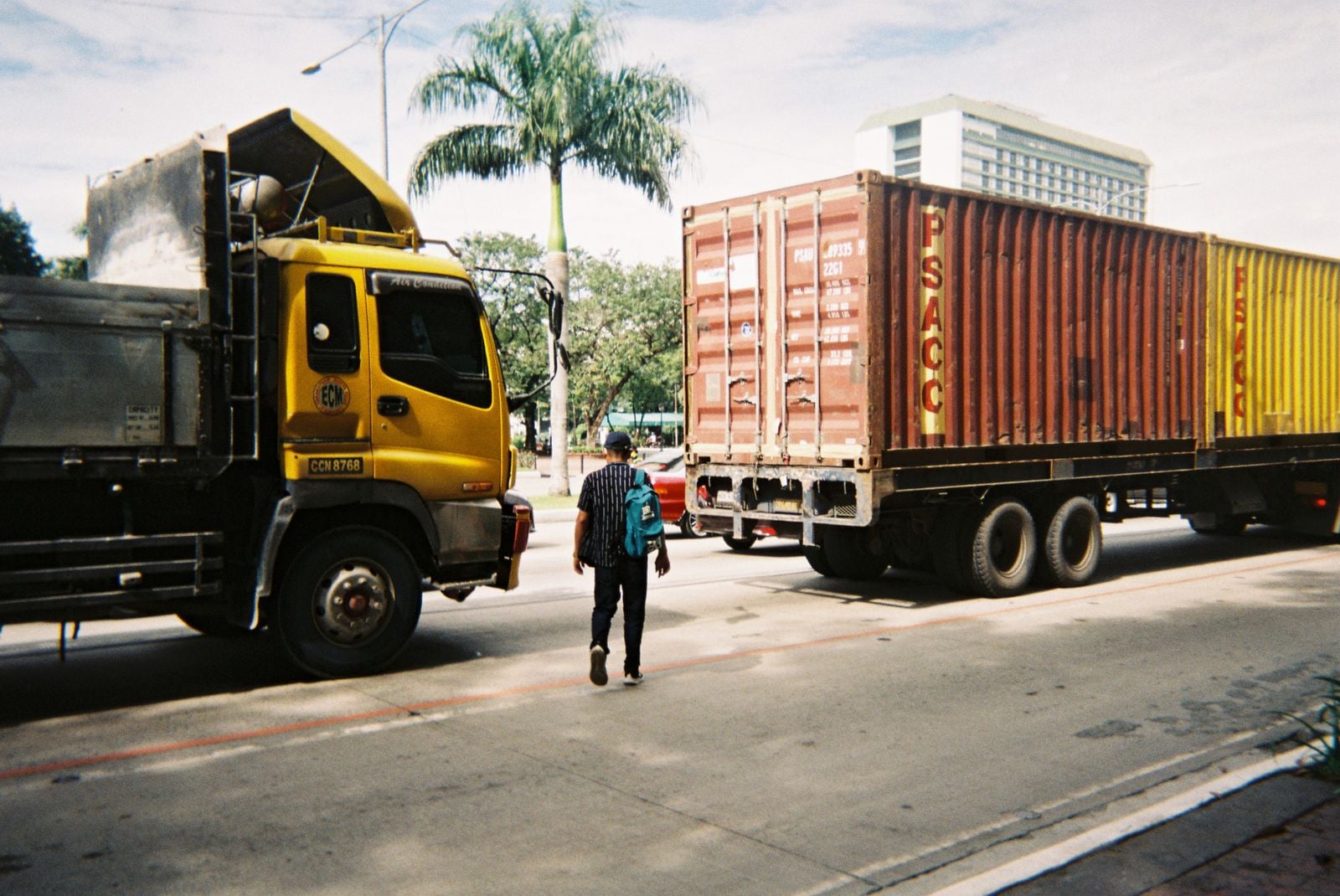
Canada’s decision is not cost-free, and Ottawa’s own response acknowledges that. The government’s August 25 announcement included C$7.5 billion in new and expanded support for workers and businesses affected by the trade dispute.
The package includes additional regional support for small and medium-sized companies, new liquidity through the Business Development Bank of Canada, funding for diversification projects, and assistance for affected workers and employers. It builds on nearly C$25 billion in support the government says it had already provided since the US tariff measures began.
The package does not establish exactly how much of the tariff burden consumers will pay. It does show that Ottawa expects Canadian companies and workers to experience significant disruption while the counter-tariffs remain in place.
The product rules also matter. The tariffs apply to specified US-origin goods, and products already in transit when the measures took effect are exempt. That is more precise than saying every border crossing automatically creates another tariff charge.
Integrated supply chains remain especially exposed because a tariffed component can increase the cost of a finished product assembled elsewhere. Whether that increase reaches the consumer depends on the product’s origin, its tariff classification, available exemptions, inventory levels, and how much of the cost each company can absorb.

American buyers face the same basic mechanism under the US tariffs on Canadian goods. US importers pay those duties at the border, after which the cost can move through wholesalers, manufacturers, retailers, and eventually households. The final pass-through can vary by industry and by how long businesses expect the dispute to continue.
That expectation matters. The Bank of Canada researchers found that firms anticipating longer-lasting tariffs planned to pass through more of the cost than firms expecting the measures to disappear sooner. A temporary political warning and a durable trade barrier can therefore produce different pricing decisions even when the tariff rate is identical.
The September 8 measures do not prove that the US-Canada trade framework has legally ended. They do show that the existing framework is no longer containing the dispute as effectively as businesses on either side of the border once assumed.
For households, the consequences are likely to emerge unevenly. Some prices may rise quickly, some businesses may accept lower margins, and some importers may abandon US suppliers altogether. The clearest evidence available does not justify assigning 96% of Canada’s new tariff burden to domestic buyers, but it does show why Canadians should not expect the cost to remain on the other side of the border.
The tariffs are aimed at Washington. Much of their economic weight will still land in Canada.