
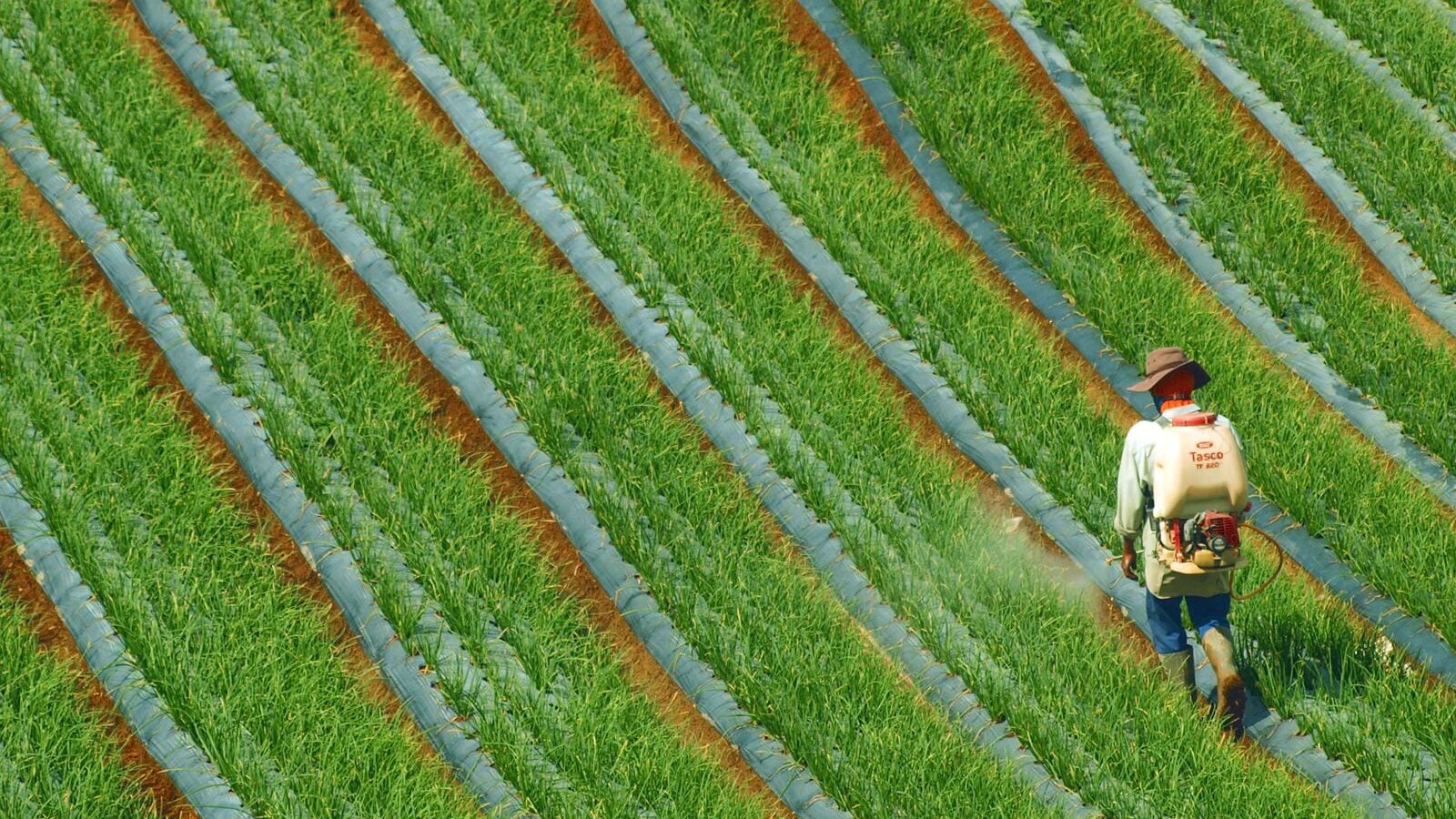
A crop field behaves like a slow-moving chemical reactor. Inputs go in, reactions run for weeks, and the workers standing inside the reactor absorb whatever the process leaks. That is the framing that emerges from a new global analysis of pesticide exposure, and it turns what has often been treated as a rural safety issue into something closer to an industrial-scale public health failure.
The analysis pulls together data on pesticide exposure and arrives at a figure that is difficult to absorb on first reading. An estimated 46% of the world’s farmers and farm workers experience unintentional acute pesticide poisoning each year, with hundreds of millions of non-fatal cases and roughly 11,000 deaths worldwide — nearly 60% of them in India alone.
Numbers at that scale tend to slide off the page. So consider what they describe geographically, because the burden is not spread evenly.
Burkina Faso records the highest national poisoning rate anywhere in the dataset: an estimated 84% of the country’s farmers and farmworkers are affected each year. India tells a different kind of story. It does not have the highest rate, but because of the sheer size of its agricultural workforce, it accounts for nearly 60% of the roughly 11,000 pesticide-poisoning deaths estimated worldwide each year. And in countries where health surveillance is thinnest, researchers behind the underlying review note that even these totals likely understate the problem — many poisoning cases never reach a hospital, a poison control centre, or a national mortality register at all.
That gap between what gets counted and what actually happens is a recurring theme in the underlying research. The population being chemically injured on the job each year, worldwide, is roughly the size of the European Union.
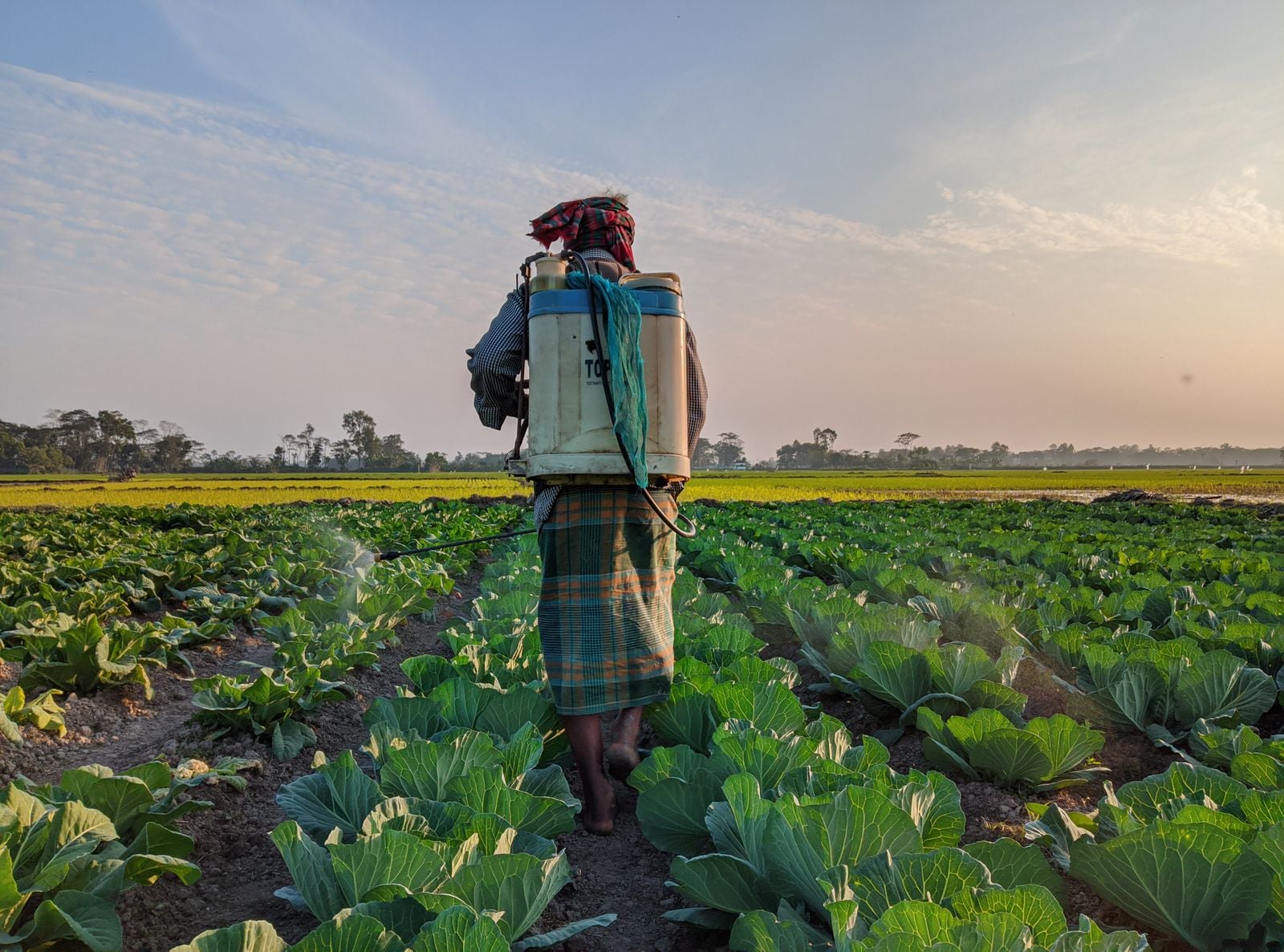
What makes the finding structurally interesting is that awareness of the problem has grown while the underlying exposure has widened. Global pesticide use has doubled since 1990, reaching 3.73 million tonnes of active ingredients in 2023. The trajectory of concern and the trajectory of consumption are moving in opposite directions.
That divergence is worth sitting with. Regulatory attention, NGO campaigns, and reformulation efforts have all expanded over three decades. Volume has still risen. The obvious inference is that whatever regulatory pressure exists in wealthy jurisdictions is being routed around, not absorbed, by the global supply chain.
Southern Asia records a high estimated number of poisonings, followed by Southeast Asia and East Africa. This is the geography of contract farming, export horticulture, and smallholder cotton and rice production. It is also, not coincidentally, the geography where highly hazardous pesticides that have been restricted or banned in the European Union are still legally sold and applied.
The trade pattern is well documented. Chemicals whose domestic use has been curtailed in producer countries continue to be manufactured for export. Some of them return, embedded in imported produce, to the same consumers whose regulators removed them from domestic shelves. The circuit closes, but the health burden lands almost entirely on one side of it.
Researchers are calling for UN-backed action to phase out highly hazardous pesticides and to standardize surveillance. Both requests are structural rather than technical. The chemistry is understood. What is missing is the coordinating authority to align rules across producing and consuming countries.
The economics complicate any phase-out. For a smallholder in Maharashtra or Burkina Faso, the calculation that matters is the yield of the current season against the debt taken to plant it. A pesticide that raises acute risk but protects a harvest against pest loss is not, in the moment of decision, an obviously bad trade. It becomes one only when the health costs are counted, and those costs are borne years later, often by people other than the buyer.
This is a familiar shape in environmental economics. The benefits are private and immediate. The costs are diffuse, delayed, and shifted onto workers, families, and health systems that had no seat at the purchase.
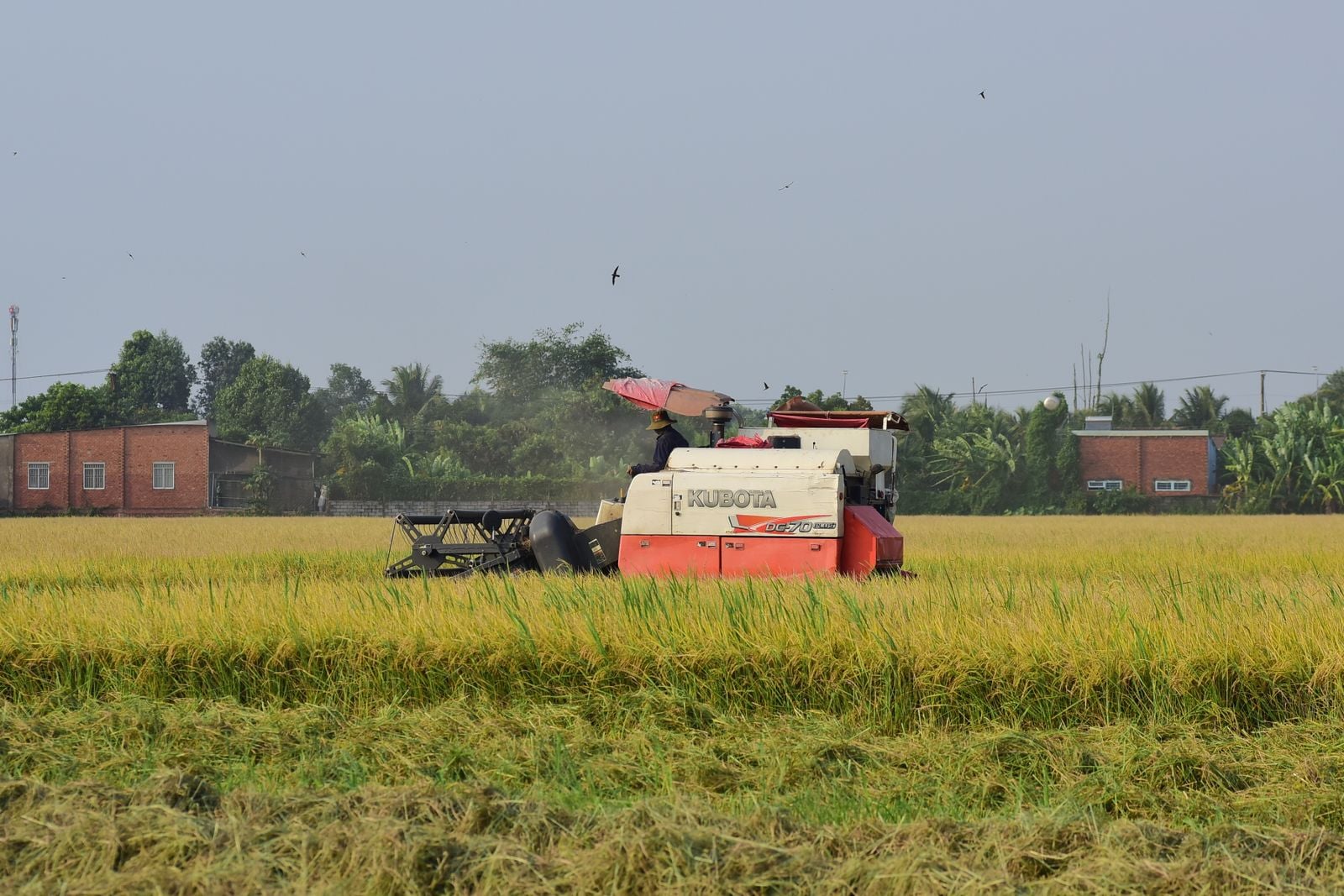
The chronic health picture is where the story extends beyond acute poisoning. Medical researchers point to growing evidence linking long-term pesticide exposure to Parkinson’s disease among agricultural workers. France has recognized Parkinson’s as an occupational disease for pesticide-exposed farmers since 2012, and Germany’s labor ministry recommended similar recognition in 2024 — a regulatory acknowledgment that would have seemed speculative a generation ago.
The evidence base here is still developing, and researchers are careful to describe the link as growing rather than settled. Parkinson’s has multiple risk factors and long latency, which makes causal attribution to any single exposure difficult. What the epidemiology does support is a pattern strong enough that at least two major European agricultural economies have chosen to compensate for it.
The compensation itself tells you something. Governments do not extend occupational disease status casually, because the fiscal implications are large. That the recognition exists at all suggests the underlying evidence has crossed a threshold that regulators find hard to dismiss.
There is also a labor dimension the headline figures understate. Millions of children work in agriculture globally, and a share of the acute poisoning burden is falling on people who are not old enough to consent to the exposure, cannot read the label warnings, and have no organized channel to report harm. Child agricultural labor is not evenly distributed across the poisoning geography, but where the two overlap, the harm compounds.
The gap between what analysis can show and what it cannot is worth naming plainly. Acute poisoning can be estimated with reasonable confidence, drawing on available data. Chronic disease questions remain harder to resolve, and surveillance in most of the affected countries does not capture the level of detail needed to identify which specific chemicals are driving which share of the harm. The public health infrastructure required to answer those questions does not yet exist at the scale the exposure demands.
That absence is itself the finding. A hazard affecting hundreds of millions of workers annually is being tracked by an information system built for a much smaller problem. The mismatch between the exposure and the surveillance is what allows the expansion of global pesticide use to have proceeded without a matching public reckoning.
This is a familiar shape for public health harms generally: they scale invisibly when the reporting infrastructure lags the event. The pesticide numbers are a slower-moving version of the same problem — the harm is real, the count is partial, and the partial count is what policy responds to.
What the analysis asks readers to hold is not a single villain but a distribution. Manufacturers make the compounds. Regulators in producing countries permit their export. Buyers in importing countries lack the substitutes, the credit, or the enforcement to refuse them. Retailers in wealthy markets sell the produce grown with them. Consumers eat it. Each participant is acting within the rules available to them, and the aggregate is hundreds of millions of poisonings a year.
The uncomfortable clarity is that this is not a system that failed. It is a system that is working as designed, and the design externalizes injury onto the people with the least power to refuse it.