
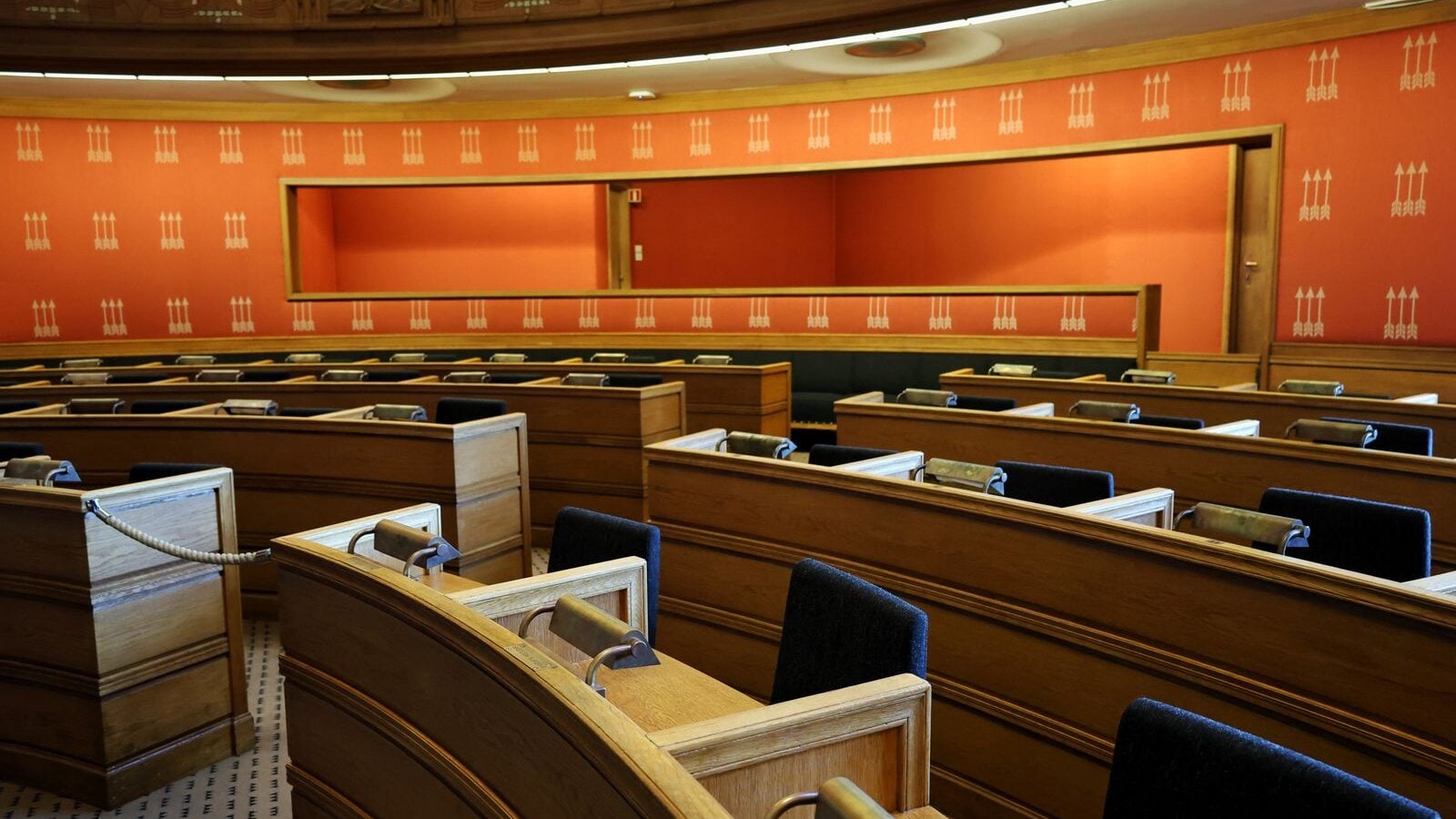
Three members of the Memphis City Council are asking their colleagues to hit pause on data center development in the city, and the vote is scheduled for Tuesday. Council Chairwoman Jana Swearengen-Washington, J.B. Smiley Jr., and Yolanda Cooper-Sutton are sponsoring a resolution that would temporarily halt new data center approvals while the city studies impacts on water, utilities, and neighborhoods, according to reporting from The Center Square.
At the same meeting, the council will decide how to spend tax revenue already generated by xAI’s Colossus facility — money flowing to Memphis under a community benefits agreement that set aside a portion of Colossus tax revenue for neighborhoods near the site.
The two votes, stacked on the same agenda, capture the bind Memphis is in.
What the resolution actually does
The measure is a moratorium resolution, not an outright ban. It proposes more study before more approvals — a familiar template being used across Tennessee, with Nashville’s temporary halt now being challenged in federal court.
Council member Smiley has advocated for ensuring community members are informed and have meaningful input on decisions affecting neighborhoods and infrastructure, according to social media posts. Smiley has emphasized the need to balance growth with transparency and accountability.
Memphis would be joining a longer list. Cities from East Lansing to Mount Vernon, Washington have used moratoriums to buy time before the first project is even on the table. Memphis is doing the opposite: it already has one of the largest AI compute sites in the country running on its grid — which is why every fact that follows has to be read through the same question. Can a pause on future approvals do anything about a facility that is already the city’s biggest source of both revenue and complaints?

The Colossus footprint the pause is aimed at
xAI operates two campuses in the Memphis metro area. Colossus, in South Memphis, has been running since 2024. Colossus 2 is in Southaven, Mississippi, across the state line. Neither is subject to Tuesday’s resolution. Both are the reason it exists.
The scale of the gas turbine buildout is what has driven residents to the council. According to email correspondence between the Mississippi Department of Environmental Quality and Trinity Consultants reviewed by The Commercial Appeal, only 14 of the 46 turbines operating at the Southaven site as of May 2026 were equipped with Selective Catalytic Reduction systems to reduce emissions. The count kept climbing after that: an amended NAACP lawsuit put the total above 57 turbines by mid-June, and Reuters reported the figure had reached 59 by July, before Mississippi regulators agreed to let dozens of the unpermitted units keep running into 2027.
The NAACP filed a preliminary injunction in May over alleged Clean Air Act violations at the Southaven power plant. On July 29, U.S. House Energy and Commerce Committee Ranking Member Frank Pallone Jr. demanded documentation and a tour of both Colossus sites, warning in his letter to Musk about the potential need for congressional action and guardrails regarding data center development. None of those pressure points sit within the council’s reach. The moratorium is what it can vote on.
The revenue Memphis is already spending
The community benefits arithmetic is the other half of the story, and it is why a Memphis moratorium is politically different from a preemptive one.
Colossus did not receive tax breaks from the city or state. Instead, under an agreement with xAI, a portion of the tax revenue the facility generates flows back into nearby neighborhoods. The $3.3 million on Tuesday’s agenda is split across projects including home repair assistance and housing stability, neighborhood cleanup jobs, and environmental monitoring — a direct response to the air quality complaints that have followed the site since it opened.
Policy experts have noted that moratoriums can limit cities’ ability to negotiate with developers during the pause period, potentially foreclosing opportunities to secure community benefits like tax revenue and infrastructure improvements through developer negotiations.
That is the local paradox in its sharpest form. The Colossus revenue-share model is what moratorium supporters elsewhere wish they had. It is also attached to the exact facility residents are asking the council to slow down — and the council is being asked to spend its proceeds in the same session it debates whether to allow another one.
What Tuesday actually decides
The council is not voting on Colossus itself. It is voting on whether to slow the next project down while the effects of the current one are studied, and separately on how to spend the money the current one already generated.
Nashville’s experience is the cautionary example council members will be watching. Its pause is now entangled with a federal lawsuit and an eminent domain fight. Memphis has the added complication of an existing operator, an existing revenue stream, and a mayor’s office that has publicly framed continued development as compatible with community protections. Mayor Paul Young has said he expects construction on the paused Colossus Water Recycling Plant, designed to reduce strain on the Memphis Aquifer, to resume in early 2027.
Why the private grid question hangs over the vote
There is a deeper reason Tuesday’s vote is more symbolic than operative, and it is the piece of the story that gets lost when the debate is framed as growth versus pause.
A city moratorium can freeze permits. What it cannot easily reach is the model Colossus has already normalized — building your own gas-fired power onsite, behind the meter, rather than drawing from the public grid. The turbines that drove residents to city hall did not require a utility interconnection the council could have blocked. They arrived on trucks.
xAI’s Memphis buildout is treated in industry analysis as the precedent for the whole shift. Writing in Forbes, John Kostyack notes that xAI set the precedent for the tech industry’s shift toward behind-the-meter gas when it brought mobile gas turbines to Colossus in 2024, and that the company has indicated plans to use a similar approach at Colossus 2. Behind-the-meter gas generation for data centers has grown rapidly, with tracking firms documenting tens of gigawatts of capacity in various stages of planning.
Texas Governor Greg Abbott’s recent moratorium on ERCOT data center connections, and New York Governor Kathy Hochul’s pause, are both aimed at grid-connected projects. Private grids sit largely outside that scrutiny. A Memphis pause on new permits would face the same gap: the turbines that concern residents are already on the ground, and the next operator that wants to replicate the model can bring its own power with it.
That is the frame Tuesday’s meeting sits inside. The council can vote to study. It can vote to spend. What it cannot do, in a single session, is regulate the piece of the Colossus model that made the moratorium feel necessary in the first place. Tuesday’s meeting will show which of those framings the council is willing to sign its name to anyway.