
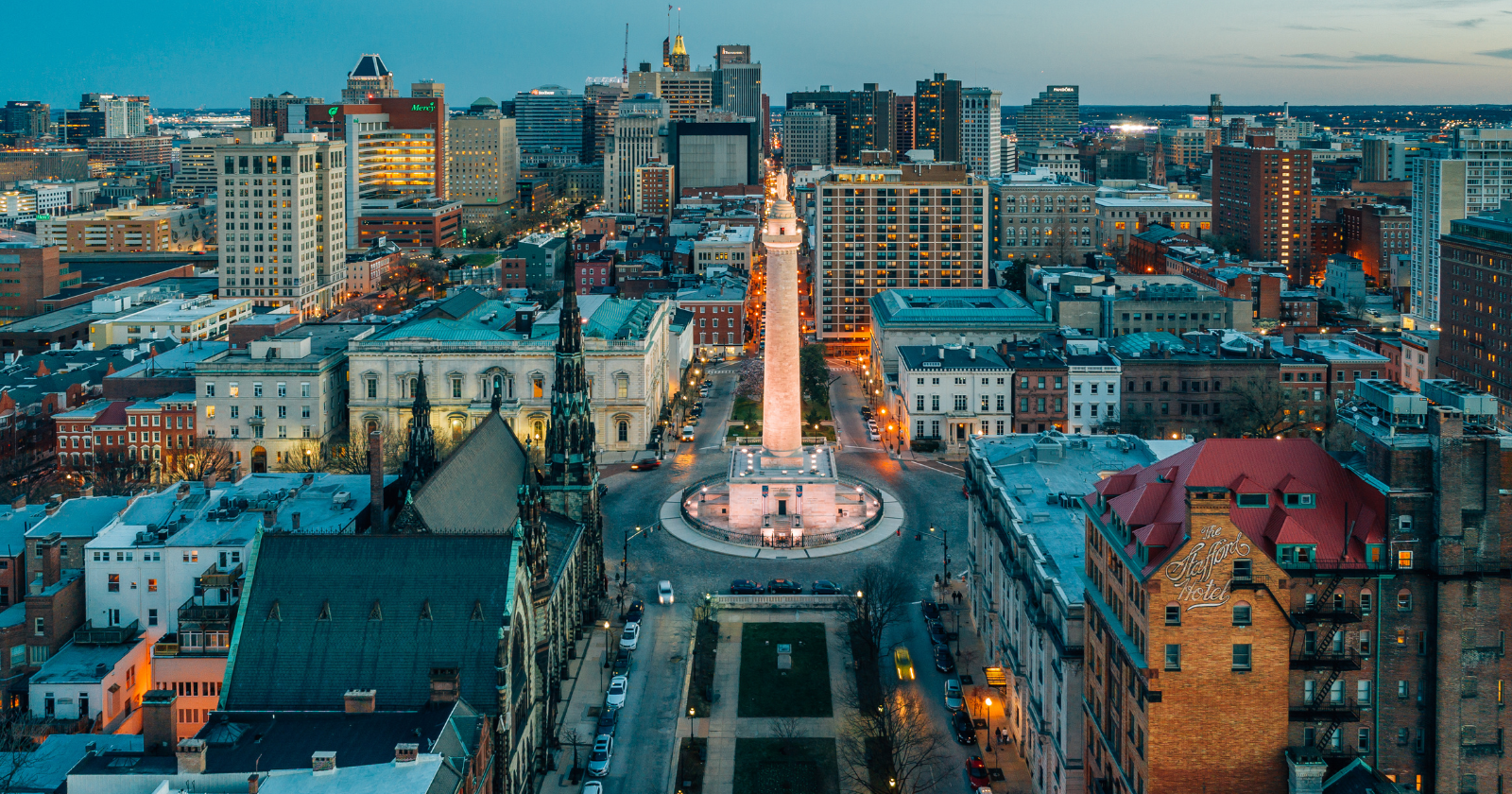
Mount Vernon, Washington, adopted a six-month data center moratorium on Wednesday, Aug. 12, before receiving a single project proposal. Council member Andrew Vander Stoep was the sole dissenting voice, while city staff confirmed that no data center applications were pending, according to local reporting.
The measure does not prohibit an existing development or stop construction already underway. It temporarily prevents new applications from becoming vested under rules that were not written with large data centers in mind.
A useful contrast exists in unincorporated Mobile County, Alabama, where Beacon Data Centers describes a proposed $6 billion Calvert Infrastructure Hub. Mobile County’s own planning department states that unincorporated areas have no zoning, although the county still conducts commercial site-plan review and issues building permits.
That is a narrower distinction than saying Mobile County has no procedural leverage. Mount Vernon used zoning authority to pause applications while writing new rules. Mobile County has no conventional zoning system for the unincorporated site, but development still moves through county permitting and other regulatory processes.
What Mount Vernon actually froze
The measure is a 180-day pause on accepting new data center permit applications. The planning department will use that period to consider rules addressing electricity and water demand, the city’s ability to accommodate large facilities, stormwater and sewer planning, and development inside the Skagit River’s 100-year floodplain. A public hearing must be held within 60 days, as confirmed in the reported scope of the measure.
Skagit County, which surrounds the city, adopted its own six-month moratorium on June 1. The county cited farmland, water supply, floodplain conditions, and the absence of data center-specific regulations. La Conner followed at the end of July, while Seattle and Spokane have also adopted temporary restrictions.
The common feature is timing. These governments are pausing applications before, or near the beginning of, the development process so their permanent rules are not written under pressure from a live permit.
The counterargument the vote has to answer
Vander Stoep’s dissent deserves to be considered on its own terms. Consumer demand for streaming, cloud storage, and generative AI does not disappear when one city restricts data centers. He argued that facilities may instead be built somewhere with fewer environmental protections, according to the same local report.
That identifies a real risk of displacement, but it does not prove that Mount Vernon and Calvert are interchangeable sites or that Washington’s restrictions caused Beacon to choose Alabama. Data center siting depends on project-specific land, power, infrastructure, regulatory, and commercial conditions.
The question for Mount Vernon is therefore not whether global demand will continue. It is whether the permanent rules written during the pause will allow projects that meet clear local standards or make large data centers effectively impossible within the city.
Other governments are testing variations of the same approach. East Lansing extended its moratorium by six months while staff draft possible zoning changes. New York’s Executive Order 62 pauses certain state environmental permits for data centers capable of consuming at least 50 megawatts, while expressly leaving local permits outside the order.
The Memphis City Council is scheduled to discuss a proposed citywide data center permitting moratorium on Aug. 18. The proposal would affect new data center developments across Memphis. It is not framed as a measure aimed solely at xAI’s Colossus expansion.
Mount Vernon’s immediate problem remains local. The city sits in the Skagit River floodplain, and its own planning concerns include water, electricity, stormwater, sewer capacity, and the physical scale of potential facilities. Those are questions a permanent ordinance must answer with enforceable standards.
The Aug. 12 vote did not decide whether a data center should ever be built in Mount Vernon. It bought the city six months to decide what would have to be true before one could be.