
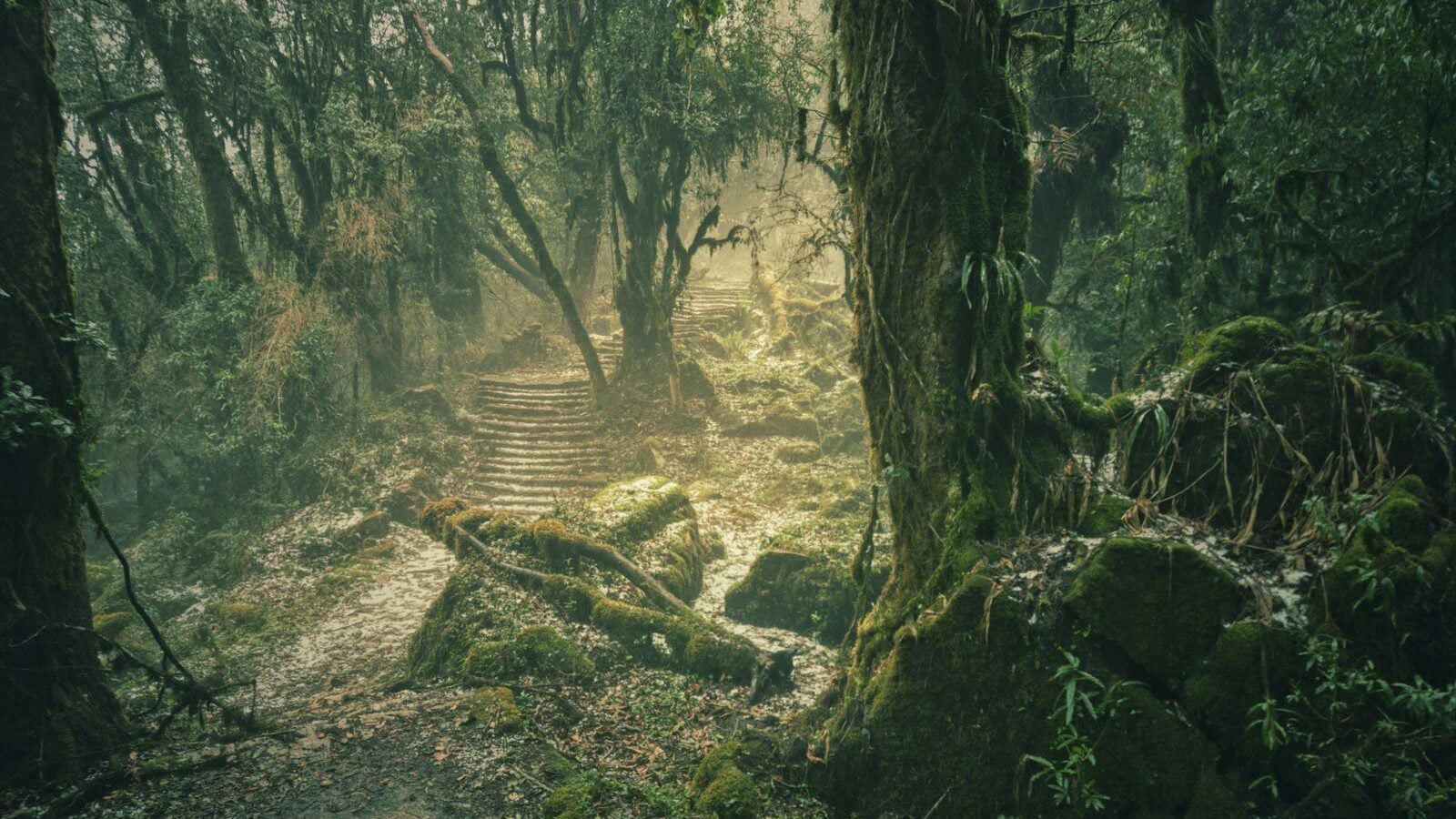
The Tongass is a temperate rainforest, not a dry inland forest with the Sierra Nevada’s fire regime. A Forest Service fire synthesis found that lightning was historically rare in Alaska’s coastal rainforests and that fuels were usually too wet to burn. It also warns that warming conditions are increasing future fire risk, so the region is different, not immune.
That difference matters because the same national proposal covers the Tongass and fire-prone forests across the western United States.
On August 18, Agriculture Secretary Brooke Rollins announced that the Forest Service had filed a proposed rule to rescind the 2001 Roadless Area Conservation Rule. Forest Service Chief Tom Schultz said only 5 percent of the affected high-hazard areas had received hazardous-fuels treatments since 2014.
The distinction between a proposal and a completed rescission is important. The rule remains in force during the public-comment and rulemaking process.
The original rule covered 58.5 million acres when adopted in 2001. Separate rules now govern Idaho and Colorado, leaving the national rule applicable to nearly 45 million acres, including areas in Alaska.
The existing rule does not prohibit every form of forest management. Its timber provisions expressly allow generally small-diameter trees to be cut when needed to restore ecosystem structure or reduce the risk of uncharacteristic wildfire effects. The regulatory text also does not prohibit prescribed burning.
That does not mean the rule has no operational effect on wildfire work. It generally prohibits new roads and restricts timber cutting to specified exceptions. Those limits can constrain access, equipment and the scale of some mechanical treatments even when prescribed fire or hand thinning remains legally available.
The administration’s 5 percent treatment figure establishes that relatively little work occurred. By itself, it does not establish how much of the shortfall was caused by the Roadless Rule rather than budgets, staffing, terrain, weather windows or other priorities.
Road access also creates a genuine tradeoff. A 2026 study in Fire Ecology found substantially higher ignition density near roads and concluded that building roads into roadless areas would probably produce more fires. The same study noted that roads can support suppression operations and that fires beginning near roads were smaller on average.
The evidence therefore supports neither extreme. Roads can help crews reach and contain fires, but they can also bring more ignition opportunities.
The breadth of the proposed remedy is where the policy dispute becomes sharper. USDA’s proposal states that rescission would not authorize a particular ground-disturbing project and that applicable forest plans, environmental review and other laws would continue to govern future activity. Existing plans could still prohibit development in some locations.
Even within those limits, the agency’s analysis identifies a material expansion of opportunity. It estimates that current forest plans could permit near-term permanent roads on approximately 18.2 million acres where the national rule currently blocks them.
For timber activity, the Forest Service identifies about 4.8 million acres where both operability and existing plan allowances could support additional management. It estimates that harvesting all of those areas is unlikely because of budgets, road costs, market conditions and other constraints.
The energy and mining effects are narrower than the original article suggested. USDA says locatable mineral exploration generally carries an access right, so it anticipates no change for that category. The proposal would provide additional flexibility for possible future oil, gas and coal development, but the agency predicts no net change in domestic production from those resources.
The Tongass demonstrates why the distinction between affected acreage and developable acreage matters. The first Trump administration exempted the forest from the national rule in 2020. In 2023, USDA repealed that exemption and restored the 2001 protections to approximately 9.37 million Tongass acres.
That 2023 record also complicates claims that the rule makes necessary work impossible. USDA reported that all 59 Tongass project proposals it had tracked since 2009 involving tree removal or road construction under the rule’s exceptions had been approved. Those projects included mineral, energy, recreation and transportation work.
That operational record does not prove that every proposed fuel treatment could proceed efficiently. It does show that the existing rule is not an absolute ban on active management, access or tree removal.
Alex Craven, forest campaign manager for the Sierra Club, has argued that the administration is using wildfire risk to justify broader industrial access. As The Guardian reported, his position is that the rule already allows targeted hazardous-fuels work while preventing wildfire from becoming a general justification for new roads and commercial development.
The administration’s own documents confirm that the proposal has purposes beyond wildfire treatment. They connect it to deregulation, timber production, energy development and greater discretion for local forest officials.
That does not make every wildfire argument pretextual. USDA says 9.8 million affected acres overlap the wildland-urban interface, where additional mechanical treatments and strategically placed roads could help protect communities and infrastructure.
The strongest evidence-based criticism is therefore narrower than the original article claimed. The Roadless Rule permits meaningful fuel-reduction work, while also restricting some access and mechanical options. Full rescission would remove restrictions whose effects extend beyond wildfire management, but it would not instantly approve roads, drilling and logging across every affected acre.
Public comments are due by September 21. The central question for the record is whether targeted changes could address documented fire-management constraints without removing the national protections from nearly 45 million acres. That is the policy choice the wildfire framing cannot be allowed to obscure.