
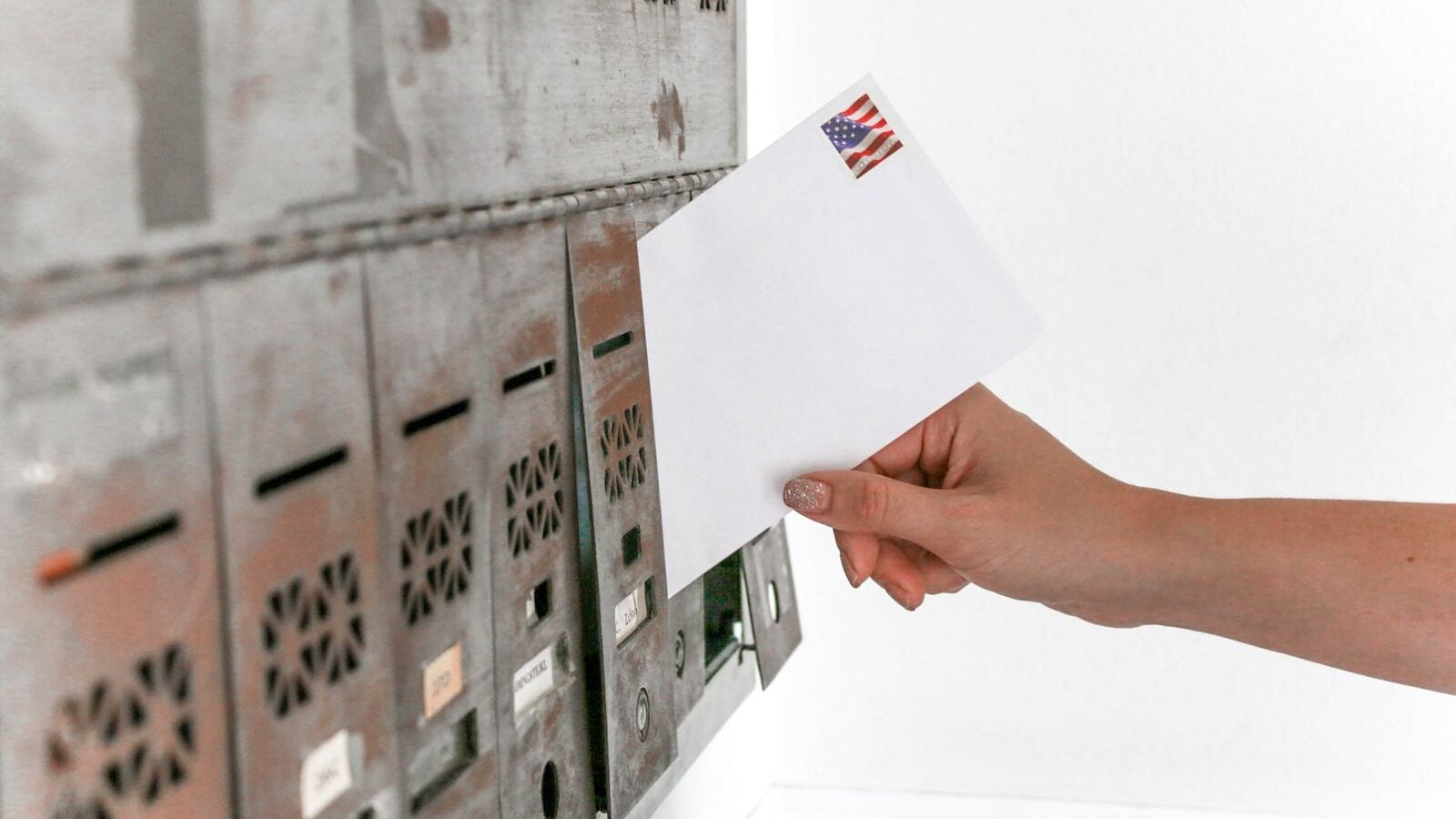
An anonymous federal employee’s whistleblower disclosure released by Sen. Richard Blumenthal uses a batch of 10,000 ballots to explain the alleged risk. It says that “if even one bar code on one single ballot” fails to scan, “the entire batch is rejected.” The disclosure says the mailing would be returned to the state until the problem was resolved.
That is a warning about the system’s reported design, not evidence that USPS has already rejected 10,000 ballots. The distinction matters because the portal’s operation and the consequences predicted by the whistleblower had not been tested publicly when the disclosure appeared.
The project stems from President Donald Trump’s March 31, 2026 executive order. It directed USPS to develop standardized envelope requirements, unique Intelligent Mail barcodes and a process through which states would supply information about voters receiving mail ballots.
The order also directed USPS not to transmit covered ballots unless the corresponding voters had been enrolled on a state-specific participation list. USPS subsequently created the Federal Ballot Mail Portal to receive the information and support barcode verification.
The whistleblower’s description of a zero-percent failure policy is more specific than the published USPS rule. The official rule describes barcode verification but does not state that one failed scan must automatically reject every ballot in a batch. It also expressly excludes ballots covered by the Uniformed and Overseas Citizens Absentee Voting Act.
ProPublica reported that USPS officials discussed how to prevent one unverified ballot from holding up thousands of others, but the batch-rejection directive moved forward, according to people familiar with those discussions. The sharpest example involved Maricopa County, Arizona, which often sends more than 2 million ballots in its initial mailing. Two people who attended an election-official meeting said USPS representatives confirmed that one barcode or voter-information error could delay such a mailing.
Jeff Ellington, CEO of Runbeck Election Services, identified the wider implementation problem. “These are trivial things that create massive problems,” he told ProPublica. He also said most counties lacked the type of barcodes needed for the new system and had not received enough guidance about redesigning and securing approval for their envelopes.
USPS told ProPublica that it was reviewing the whistleblower’s concerns, had spent months developing the system and intended to provide election officials with instructions. White House spokesperson Lauren Bis said the software was neither unusually complex nor unique because USPS already handles bulk mailings and Intelligent Mail barcodes. Those responses challenge the whistleblower’s assessment, but they do not directly answer the allegation about the zero-percent scan requirement.

The development timeline remains extraordinary even with those responses included. The disclosure says work began around June 15 and stopped about ten days later because of a court order. Development allegedly resumed after roughly a month, while litigation continued.
According to the disclosure, a complete version reached the customer testing environment during the week of August 24. That was approximately ten weeks after work began, including the reported pause. The planned September 1 launch would have left only a handful of working days for integrated testing.
The legal and operational picture was still changing on September 3. The Associated Press reported that the administration had asked the Supreme Court to lift a federal judge’s temporary order blocking implementation. During a Boston hearing, a government lawyer could not confirm whether the portal was operational, and USPS had not identified any state that had volunteered to use it.
The Supreme Court had previously allowed rulemaking to continue after concluding that an earlier challenge was premature. It had not decided whether the final rule was lawful. Any statement that the Court definitely would resolve the merits before the November 3 election therefore went beyond the available reporting.
The election calendar still makes the uncertainty consequential. The U.S. Election Assistance Commission says ballots requested by military and overseas voters must be sent at least 45 days before a federal election. However, because the final USPS rule exempts UOCAVA ballots, those deadlines illustrate the compressed election calendar rather than direct coverage by the new verification system.
Other mail-ballot deadlines were already arriving. North Carolina was scheduled to begin sending ballots to voters on September 4, with other states following. Election offices had generally printed their envelopes and established their workflows before the litigation and implementation questions were resolved.
The administration describes the rule as a measure to improve election integrity, mail visibility and compliance with federal law. Challengers argue that it exceeds presidential and USPS authority and interferes with powers assigned to states and Congress. Those legal questions remain before the courts.
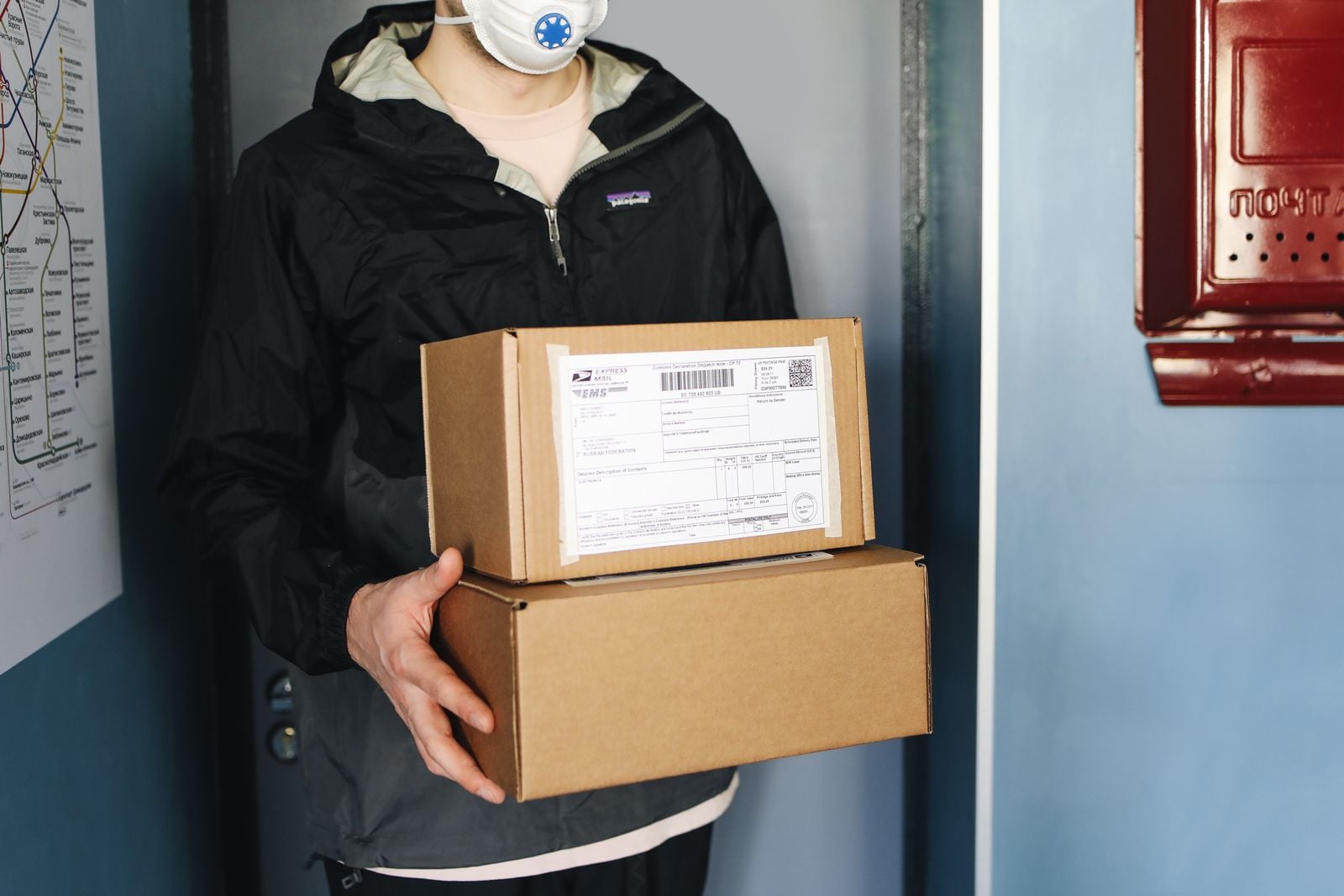
The operational concern is easier to understand than the legal dispute. A verification system built around batches can turn one data, formatting or scanning error into a delay affecting every envelope presented with it. The whistleblower says the USPS design does exactly that, while the published rule leaves the alleged zero-percent threshold unexplained.
That gap between the public rule and the reported internal mechanism is the central issue. Election administrators cannot prepare confidently when the official document describes one process and a detailed internal disclosure describes a harsher one.
The available evidence supports concern, but it does not support writing as though mass rejection has already occurred. The portal’s status was uncertain, the restrictions were temporarily blocked and the most alarming technical claims came from an anonymous official whose disclosure had not yet been fully answered by USPS.
That uncertainty does not make the stakes smaller. It means the facts must be described precisely. A system intended to increase confidence can instead weaken it when election offices cannot determine whether their mailings will be accepted, voters cannot see what has changed and the agency responsible cannot say in court whether its portal is ready.
The next court ruling may determine whether the requirements can take effect for the 2026 election. It cannot return the planning time that election offices have already lost. Ballots are entering the mail stream while the government, the courts and USPS are still arguing over what system will govern them.