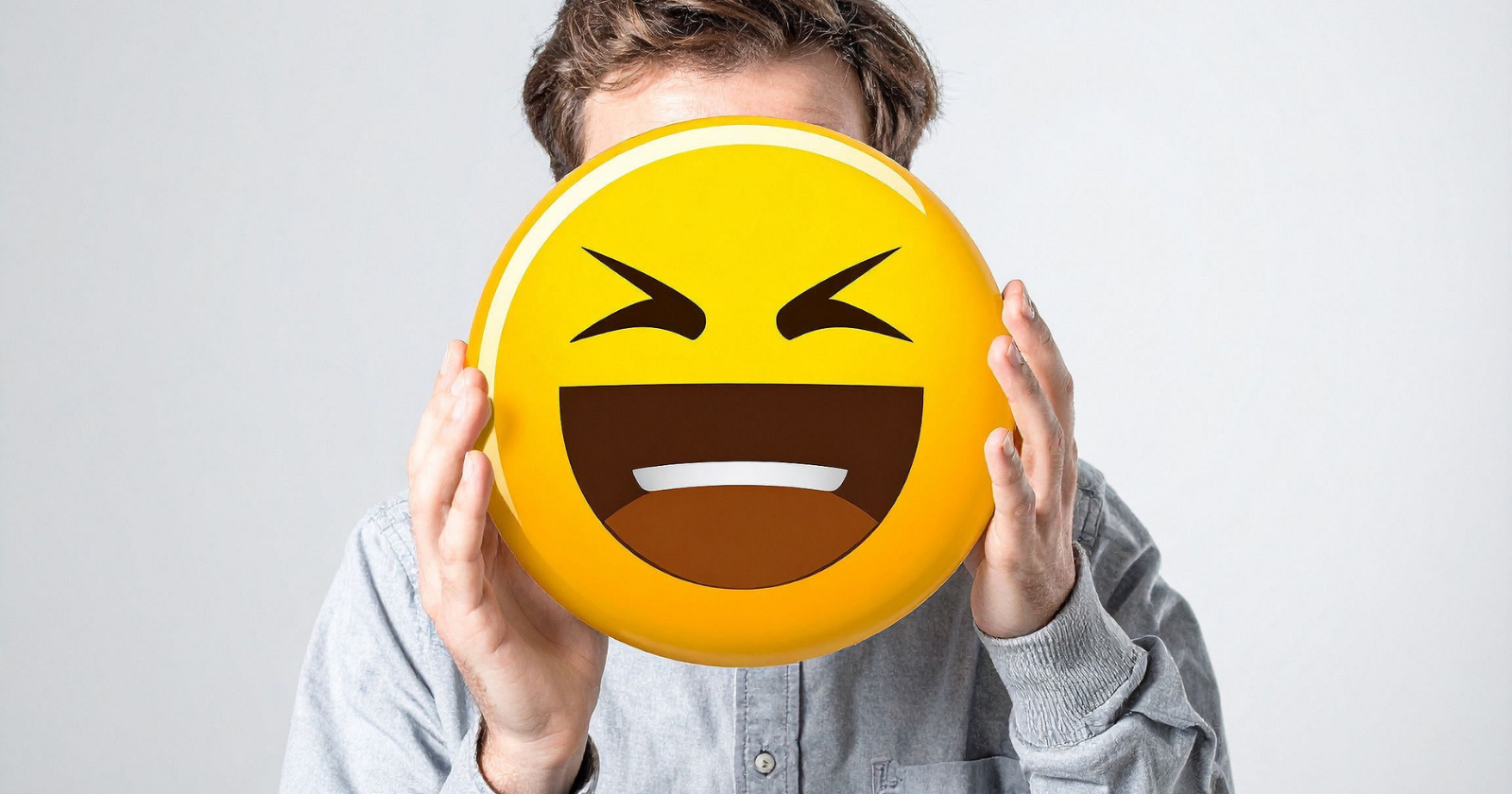
- Tension: Organizations celebrate emoji use as evidence of psychological safety while workers deploy them strategically to mask discomfort and avoid vulnerability.
- Noise: Popular workplace culture advice conflates casual digital expression with genuine trust, missing how performative informality can actually signal its absence.
- Direct Message: True psychological safety isn’t measured by how playfully people communicate, but by whether they can communicate plainly when it matters most.
To learn more about our editorial approach, explore The Direct Message methodology.
The Slack message arrives with three emojis: a thumbs up, a party popper, and a slightly smiling face. Your manager has just announced a major project pivot that will require weekend work for the next month. Within minutes, the thread fills with celebratory reactions. You add your own cheerful emoji, even as your stomach tightens with anxiety about cancelled plans and mounting exhaustion.
This scene plays out thousands of times daily across digital workplaces. We’ve been told that emoji-friendly environments signal psychological safety – that playful, informal communication means people feel comfortable being themselves. But something more complicated is happening in our emoji-saturated professional lives. The very symbols we’ve adopted to express authenticity may have become our most sophisticated tools for performing it.
The performance of comfort
Organizations proudly point to emoji usage as evidence of healthy culture. Leadership consultants celebrate teams that pepper messages with reaction emojis as psychologically safe spaces where people feel free to express themselves. The logic seems straightforward: formal communication signals hierarchy and distance, while casual, emoji-laden exchanges suggest comfort and trust.
But this conflates two fundamentally different things, the appearance of informality with the presence of safety.
In my research on digital workplace communication, I’ve observed a striking pattern: emoji density often increases precisely when psychological safety decreases. Teams facing reorganization, workers navigating difficult managers, and professionals experiencing discrimination describe using more emojis, not fewer. One marketing director told me she tracks her own emoji usage as a stress indicator: “When I’m adding smiley faces to every message, I know I’m trying too hard to seem fine.”
The cultural contradiction runs deeper than individual anxiety. We’ve collectively decided that psychological safety looks like playfulness, that trust sounds like casualness. Organizations measure culture through engagement surveys asking whether people “feel comfortable using informal communication.” Meanwhile, the actual markers of psychological safety: admitting mistakes openly, challenging ideas respectfully, expressing genuine disagreement, often happen in notably emoji-free exchanges.
Consider the last time you witnessed real candor in a workplace setting. Perhaps someone admitted they didn’t understand a key project requirement, or questioned a decision that seemed problematic. These moments rarely arrive decorated with laughing emojis or heart reactions. They’re usually direct, clear, and unadorned with digital cheerfulness.
The wisdom that misleads us
The popular workplace culture narrative tells us that psychological safety thrives when we “bring our whole selves to work” and “communicate authentically.” Emojis fit perfectly into this story – they’re personal, expressive, human. They allegedly bridge the cold distance of text-based communication with emotional warmth.
But this conventional wisdom misunderstands what psychological safety actually requires.
Influential workplace research from Amy Edmondson and others identifies psychological safety as the belief that you won’t be punished or humiliated for speaking up with ideas, questions, concerns, or mistakes. Notice what’s absent from that definition: any mention of how playfully or informally you communicate. Psychological safety isn’t about the style of your expression, it’s about the consequences you face for the substance of it.
The focus on communication style over substance creates a dangerous distortion. Organizations invest in making workplaces feel casual; encouraging first names, installing ping pong tables, celebrating emoji usage while actual power dynamics remain unexamined. A worker can drop a dozen emojis in the team channel while still feeling terrified to admit they’re overwhelmed, to question a flawed strategy, or to name problematic behavior from a senior colleague.
I’ve watched this play out in newsrooms and tech companies across London and beyond. Teams adopt increasingly casual communication norms while becoming less candid about substantive issues. The slack channels grow more emoji-dense as the actual feedback becomes more sanitized and indirect. Everyone performs comfort while experiencing its opposite.
The media narrative around workplace culture amplifies this confusion. Articles celebrate companies where “everyone uses emojis” as progressive, human-centered workplaces. We’re told these organizations have “cracked the code” on psychological safety. But scroll through their Glassdoor reviews and you’ll often find different stories, accounts of fear, favoritism, and suppressed dissent, all happening in those same emoji-friendly channels.
What actually signals safety
Here’s the paradoxical truth that transforms how we understand workplace communication:
Psychological safety isn’t proven by how comfortably people express agreement. It’s proven by how safely they can express doubt, confusion, disagreement, and limitation without decorating those admissions with digital pleasantness.
Real psychological safety looks less like emoji-filled enthusiasm and more like unadorned honesty. It’s the engineer who says simply, “I don’t think this timeline is realistic” without adding smiley faces to soften the message. It’s the manager who writes, “I made an error in yesterday’s presentation” without cushioning the admission with self-deprecating jokes or cheerful emojis. It’s the team member who responds to a proposal with “I disagree with this approach for these reasons” rather than “Love the energy here! 🎉 Just one tiny thought…”
This doesn’t mean emoji usage itself indicates problems. People use emojis for countless valid reasons: to clarify tone, express genuine enthusiasm, add levity appropriately. The issue isn’t the emojis themselves but our mistaken belief that they signal the presence of something they cannot actually measure.
The distinction matters enormously for how organizations build actual psychological safety rather than its performance. When we mistake informal communication style for trust, we stop examining what really creates safe environments: clear norms around disagreement, consistent responses to mistakes, transparent decision-making processes, accountability for harmful behavior regardless of who commits it.
Measuring what matters
If emojis don’t reliably signal psychological safety, what does? The answer requires looking at different data entirely.
Track the questions that get asked in meetings, especially those that reveal confusion or challenge assumptions. Monitor how often people admit mistakes or uncertainties in public channels versus hiding them in private messages. Notice whether dissenting opinions appear in discussions or only emerge afterward in hallway conversations. Observe how leadership responds when someone surfaces a problem or questions a decision – does the messenger get thanked and heard, or subtly marginalized?
These behaviors reveal actual psychological safety because they involve risk. Saying “I’m excited about this project! 🚀” carries no professional danger. Saying “I’m concerned this project lacks adequate resources” absolutely does. The emoji-free admission of concern signals more trust than a thousand enthusiastic reactions.
Research on measuring psychological safety consistently emphasizes behavioral indicators over communication style. Studies show that teams with genuine psychological safety demonstrate specific patterns: members ask clarifying questions without hesitation, openly acknowledge uncertainty, voice disagreement respectfully, and admit mistakes promptly. These concrete behaviors provide far more reliable indicators than the presence or absence of casual digital expression.
This reframing shifts organizational focus from measuring culture through superficial markers to examining substantive dynamics. It means asking not “do people use casual communication?” but “can people voice uncomfortable truths?” Not “does the team banter in Slack?” but “does the team surface and resolve conflicts constructively?”
For individuals navigating workplace environments, this clarity offers both insight and strategy. If you find yourself adding more emojis to messages that express concern, ask why you feel that cushioning is necessary. If your team’s digital communication grows more casual while difficult conversations become harder to have, recognize the contradiction. Psychological safety isn’t proven by your ability to seem comfortable, it’s proven by your ability to be honest even when honesty feels uncomfortable.
The most psychologically safe teams I’ve observed in my research share a common trait: their difficult conversations often happen in surprisingly plain language. People state concerns directly, ask questions without preamble, and admit limitations clearly. The communication isn’t cold, it’s clear. And that clarity, undecorated by performative casualness, reflects genuine trust.
When we stop measuring psychological safety by the wrong markers, we can start building it through the right practices: establishing clear processes for raising concerns, demonstrating consistent support for truth-tellers, creating accountability for how disagreement gets received, and making space for the kind of plain-spoken honesty that no emoji can adequately convey.
The work isn’t making people comfortable enough to add party poppers to their messages. It’s making organizations safe enough that people don’t need to.