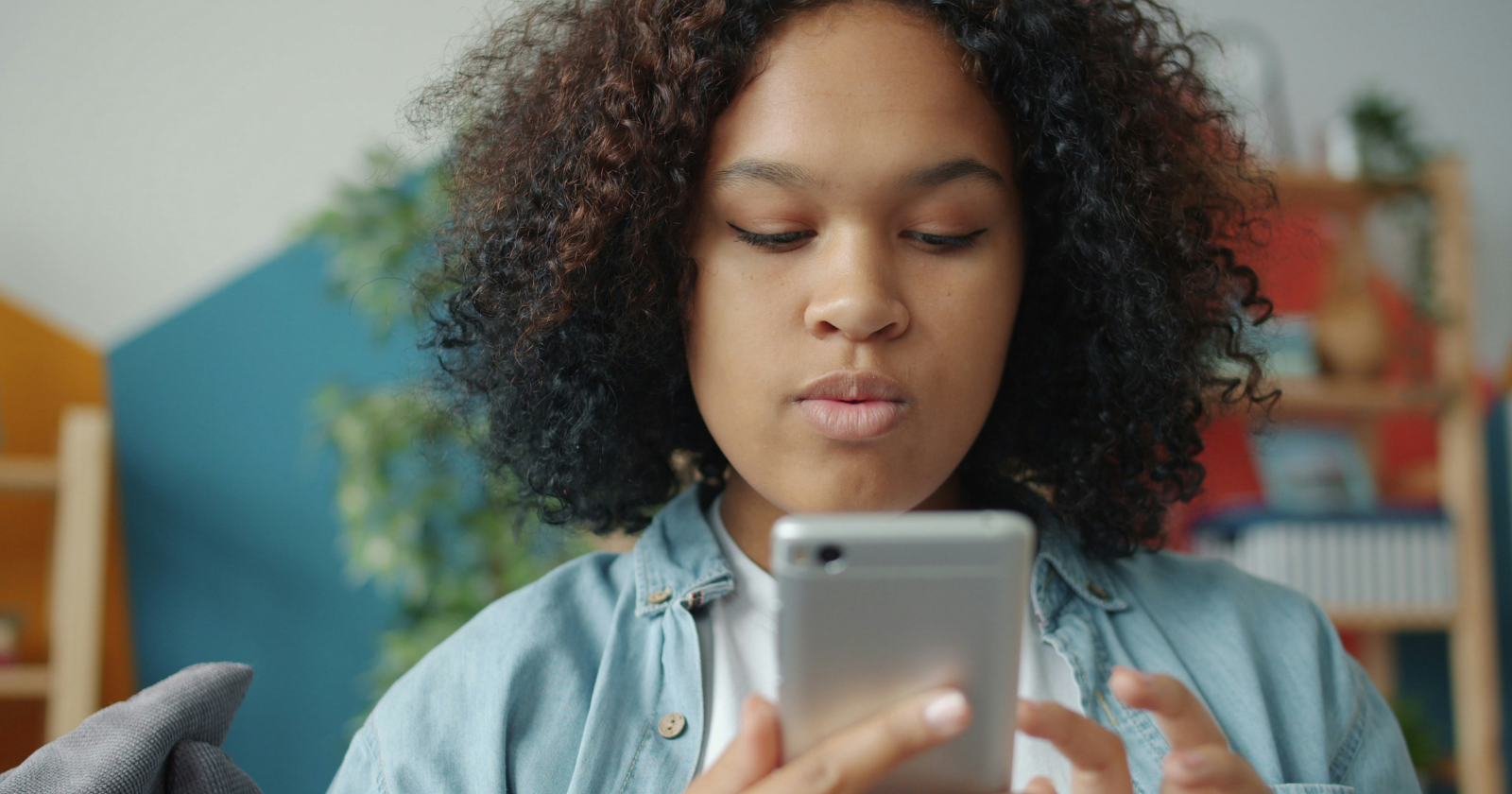
- Tension: The anxiety between instant responders and delayed texters reveals deeper attachment patterns we carry.
- Noise: We mistake response time for care level, missing what’s actually happening beneath.
- Direct Message: Text timing isn’t about priority; it’s about how we learned to manage connection.
To learn more about our editorial approach, explore The Direct Message methodology.
Last week, I watched a friend’s face change when her phone buzzed. She grabbed it, read the text, then set it down without responding. “I’ll get to it later,” she said, though we both knew she’d already composed the reply in her head. Twenty minutes passed. She picked up the phone three times, typed nothing, put it back down. Meanwhile, my own phone lit up with a message, and I responded before I’d even finished reading it. My friend noticed. “How do you just… do that?” she asked, and something in her voice made me realize we were talking about more than texting.
I spent twelve years as a clinical psychologist watching people navigate this exact dynamic in their relationships. The instant responders partnered with the careful delayers. The read-receipt anxiety. The three-dot typing indicator that becomes its own form of communication. We treat these patterns like personality quirks or generational differences, but they’re neither. They’re attachment strategies, played out in digital space.
The mythology we’ve built around response time
We’ve constructed elaborate stories about what text timing means. Quick responses equal enthusiasm or desperation. Delayed responses signal busyness or disinterest. We read intention into every gap, every immediate ping back. A client once told me she could chart the health of her marriage by how long it took her husband to respond to her “how’s your day?” texts. Another kept a mental spreadsheet of response times from different friends, using it as evidence of where she ranked.
But here’s what’s actually happening: we’re watching people manage the vulnerability of connection in real time. Every text is a small bid for attention, a tiny knock on someone’s door. How quickly we answer that knock has almost nothing to do with how much we care about the person knocking. It has everything to do with how we learned to handle the feeling of someone wanting something from us.
The instant responders often grew up in environments where availability was proof of love. Where being needed felt like belonging. They learned that quick responses kept things stable, kept people from getting anxious or angry. Now they pick up their phones like they’re defusing bombs, even when the text is just asking about weekend plans.
The delayers learned something different. Maybe responding immediately felt like giving too much away. Maybe they grew up in homes where boundaries were paper-thin, where every request felt like an emergency. Now they need that pause, that space to formulate not just what they’ll say but who they’ll be in the saying of it.
What secure attachment looks like in your messages
People with secure attachment patterns tend to be the ones who genuinely don’t think much about their response timing. They answer when they see the message and have a moment. They don’t feel the urgency of the anxiously attached or the resistance of the avoidant. They inhabit a middle space that feels almost bizarre to those of us caught in either extreme.
I had a client who described watching her securely attached partner with genuine confusion. “He just… responds when he responds,” she said. “He doesn’t seem to have any system.” She was anxiously attached herself, had elaborate rules about not seeming too eager, about matching response times, about what different delays meant. Her partner’s lack of strategy felt both liberating and deeply unsettling to her.
This is the thing about secure attachment: it looks like an absence of strategy because it is. There’s no complex calculation happening, no careful management of distance or closeness. The securely attached brain doesn’t read threat into delays or obligation into immediacy. It assumes good intent until proven otherwise.
The physical experience of waiting and rushing
When we talk about text anxiety, we’re usually talking about what happens in our bodies. The instant responder feels a physical pull toward the phone, a tension that only resolves when the message is sent. It’s the same activation you might feel when someone’s waiting for you and you’re running late. The body says: resolve this now.
The delayer feels something different. The notification creates a sense of being cornered, even when the message is benign. There’s a need to back up, to create space, to choose when and how to engage. The body says: protect yourself.
I notice this in my own patterns. With certain people, I respond like I’m on a game show, racing against some invisible clock. With others, even people I adore, I need to wait until I can find the right words, the right tone, the right version of myself. It’s not about them. It’s about what gets activated in me when I feel their particular kind of reaching.
The stories beneath the surface
During my years in practice, I watched couples fight about response times without ever talking about what was actually happening. One person feels abandoned by the delay. The other feels suffocated by the expectation of immediacy. Both are responding to something much older than smartphones.
The anxiously attached person waiting for a response might be eight years old again, wondering if mom’s silence means she did something wrong. The avoidant person taking their time might be thirteen again, needing space from a parent who required constant emotional availability. We’re not really fighting about Tuesday’s unanswered text. We’re negotiating our oldest fears about whether connection is safe.
These patterns show up in how we handle read receipts, how we feel about voice messages, whether we can tolerate seeing those three dots appear and disappear. Every feature of digital communication becomes a new arena for our attachment strategies to play out.
Moving toward something different
Understanding these patterns doesn’t immediately change them. I know the clinical framework inside and out, and I still feel that familiar pull or resistance with certain messages. But recognition creates a small space, a pause where we can notice what’s happening.
When you feel the urgency to respond immediately, you can ask: what am I afraid will happen if I wait? When you feel the resistance to responding, you can wonder: what am I protecting myself from? These aren’t questions that need immediate answers. They’re invitations to curiosity about patterns that probably served you once, in some other context, with some other person.
The couples who navigate this well are the ones who can name it without making it pathological. “I know you need time to process,” one might say. Or, “I know waiting makes you anxious.” They develop shared language for what happens in that gap between sending and receiving, between reading and responding.
Where this leaves us
We live in a world where connection is constant and optional, where every notification is both an opportunity and a demand. We’re all trying to figure out how to be available without losing ourselves, how to maintain boundaries without creating distance. The instant responders and the careful delayers are both trying to solve the same problem: how to stay connected while staying whole.
Maybe the conversation isn’t really about response time at all. Maybe it’s about recognizing that we’re all carrying different maps for navigating closeness, different strategies for managing the beautiful, terrifying fact of needing and being needed by other people. The gap between sending and receiving becomes a space where our oldest stories about love and safety play out, over and over, in blue bubbles and gray ones, in delivered and read and those three dots that mean someone is reaching back, however slowly, however carefully, toward connection.