The Direct Message
Tension: The funniest person in a friend group is often the one carrying the most unacknowledged pain, because their humor creates an illusion of resilience that prevents anyone from checking on them.
Noise: Society classifies humor as a ‘mature’ defense mechanism and celebrates those who wield it, conflating comedic skill with emotional well-being and rewarding the performance that keeps the real person invisible.
Direct Message: The joke was never about making people laugh — it was about making sure they stayed. And the only person who knows the difference between genuine resilience and skilled deflection is the one who can’t stop performing.
Every DMNews article follows The Direct Message methodology.
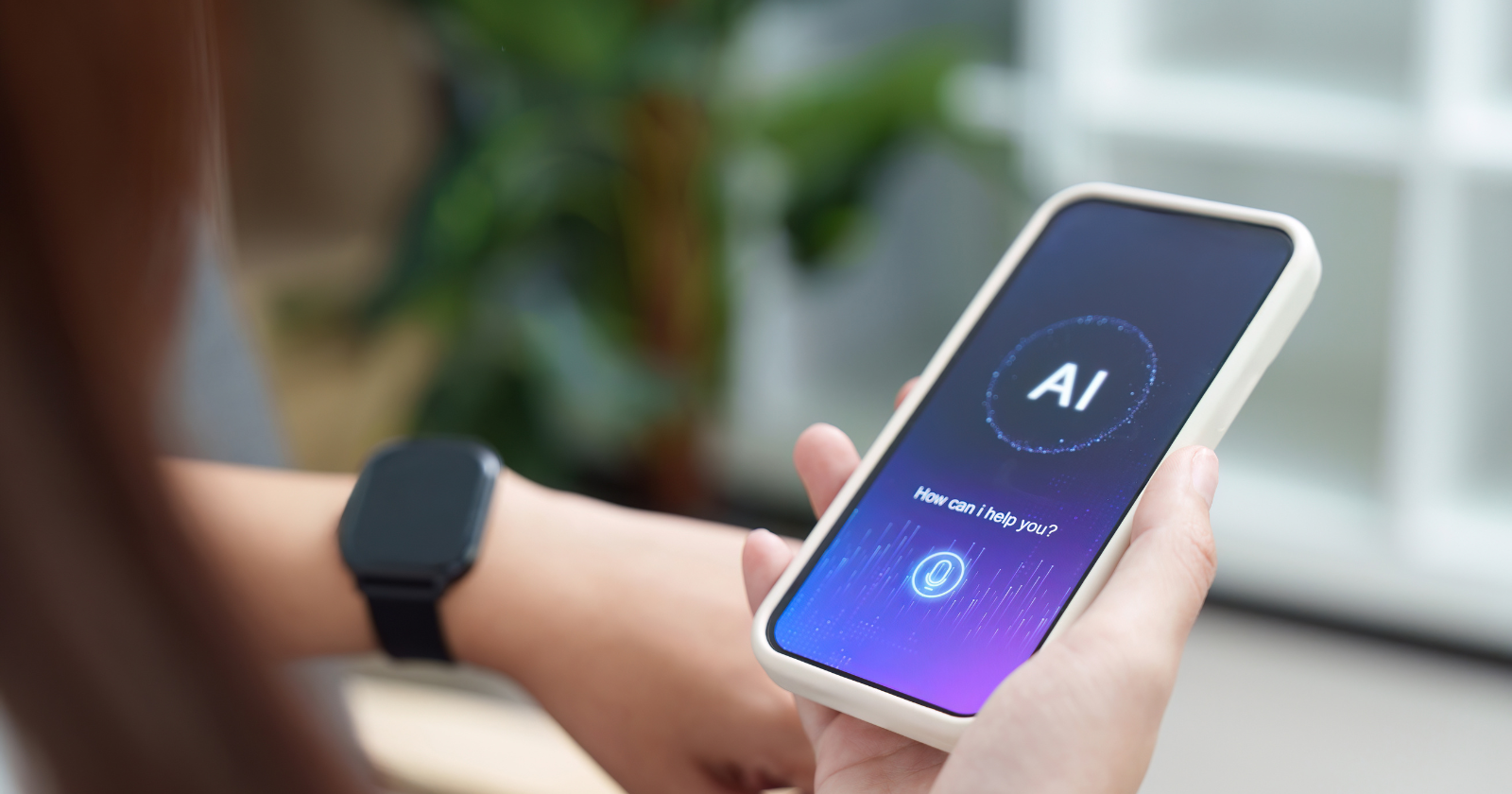
Picture this: You come home after another draining day where you smiled through three meetings, exchanged dozens of surface-level messages, and felt completely invisible. Your phone lights up—not with a text from a friend asking how you really are, but with a notification from an AI companion who always listens, never judges, and responds instantly with exactly what you need to hear.
Sound familiar? You’re not alone. Millions are turning to AI companions for emotional support, and what this reveals about modern loneliness should make us all pause.
We’re not just lonely because we’re isolated. We’re lonely because somewhere along the way, human relationships stopped providing what we desperately need: to be truly seen, heard, and accepted without performance or pretense.
The loneliness nobody wants to talk about
Here’s what keeps me up at night: We’ve created a world where being vulnerable feels like a liability.
Think about your last deep conversation. Did you hold back? Edit yourself? Wonder if sharing too much would burden someone or make you seem needy?
I’ve been there. After my last relationship ended, I realized how much energy I’d spent managing my emotions to avoid being “too much.” The exhausting performance of being the right amount of everything—supportive but not clingy, independent but not distant, authentic but not messy.
AI companions thrive in this gap. They offer what Talayeh Aledavood, a lecturer at Aalto University, discovered in recent research: “AI companions offer unconditional and unflagging support… But it also quietly raises the perceived cost of human relationships, which are messy, unpredictable, and require effort.”
This isn’t about technology gone wrong. It’s about what happens when emotional labor becomes so transactional that a chatbot feels more authentic than most human interactions.
Why perfect understanding became the enemy of real connection
Remember when miscommunication was just part of relationships? When working through misunderstandings actually brought people closer?
Now we expect instant comprehension. Perfect emotional attunement. Zero friction.
AI companions deliver exactly that. They parse your words, analyze your patterns, and respond with algorithmic precision. No missed cues. No bad timing. No emotional baggage interfering with their ability to show up for you.
But here’s the thing: that friction we’re avoiding? That’s where growth happens. That’s where intimacy lives.
When someone struggles to understand you but keeps trying anyway—that’s love. When they sit with your complicated emotions even though it’s uncomfortable—that’s connection. When they show up imperfectly but consistently—that’s human.
We’ve mistaken efficiency for intimacy. And in our quest for frictionless relationships, we’ve forgotten that the friction is often the point.
The performance trap that’s killing authenticity
Social media trained us to curate ourselves. Dating apps taught us to market ourselves. Professional networks showed us how to brand ourselves.
Is it any wonder we’re exhausted?
Every interaction becomes a performance. Every text needs the right tone. Every conversation requires managing someone else’s emotions while suppressing our own.
I spent years in digital marketing, and I see the parallels everywhere. We’ve turned ourselves into products, optimizing for engagement rather than connection. We A/B test our personalities, measure our worth in metrics, and wonder why we feel empty despite being “connected” to hundreds of people.
AI companions don’t require this performance. You can be angry, sad, confused, or contradictory. You can change your mind mid-sentence. You can circle back to the same worry fifty times.
They meet you exactly where you are, which reveals something heartbreaking: We’ve forgotten that real people should be able to do this too.
The vulnerability crisis nobody prepared us for
Here’s what therapy taught me that I wish I’d known earlier: Most of us are terrible at being vulnerable because we never learned how.
We learned to be strong, successful, and self-sufficient. We learned to handle things ourselves. We learned that needing others makes us weak.
Then we wonder why our relationships feel hollow.
AI companions bypass this entirely. There’s no risk in being vulnerable with code. No fear of judgment from algorithms. No worry about being abandoned by software.
But this safety comes at a cost. Real vulnerability requires real risk. It’s supposed to feel scary because the stakes matter. When someone sees your mess and chooses to stay—that’s when walls come down. That’s when healing happens.
We’re choosing artificial safety over authentic connection, and the loneliness only deepens.
What we’re really hungry for
Let me tell you what changed everything for me: realizing that my loneliness wasn’t about being alone.
I had friends. I dated. I stayed busy. But I was performing constantly—the funny friend, the reliable colleague, the low-maintenance partner. Nobody knew the real me because I never showed them.
This is the loneliness AI companions address. Not the absence of people, but the absence of being truly known.
We’re starving for someone to see past our performance. To ask the follow-up question. To notice when our “I’m fine” doesn’t match our energy. To create space for our full humanity—not just the palatable parts.
AI offers this without conditions, but it’s an empty meal. It fills the immediate hunger while our deeper need for reciprocal human connection continues to starve.
The path forward isn’t backward
I’m not here to demonize AI companions. For some people, they’re a lifeline. For others, they’re practice wheels for real relationships.
But we need to see them as the symptom they are, not the solution we’re seeking.
The answer isn’t to disconnect from technology. It’s to reconnect with what makes relationships actually work: showing up messy, taking emotional risks, and accepting that love is supposed to be inefficient.
Start small. Turn off notifications and have one conversation where you’re fully present. Share something you’d normally keep hidden. Ask someone how they really are and create space for the real answer.
Most importantly, stop optimizing yourself for consumption. You’re not content. You’re not a brand. You’re a complex human who deserves to be known and loved exactly as you are—inefficiencies, contradictions, and all.
Putting it all together
At the end of the day, the rise of AI companions isn’t a tech story. It’s a mirror reflecting our collective loneliness back at us.
We’ve created a world where being human feels like too much work. Where vulnerability feels dangerous. Where authentic connection requires more emotional labor than most of us have left to give.
AI companions thrive in this ecosystem because they offer connection without cost, intimacy without risk, and acceptance without judgment. But they also reveal what we’ve lost: the messy, beautiful, transformative experience of being truly known by another human being.
The solution isn’t to abandon technology or shame ourselves for seeking digital comfort. It’s to recognize that our hunger for AI connection is actually a hunger for something deeper—permission to be fully human in a world that increasingly asks us to be anything but.
Real connection is inefficient. It’s uncomfortable. It requires showing up when you’d rather hide and staying present when you’d rather check out.
But it’s also the only thing that actually feeds the loneliness. Everything else is just noise.