- Tension: We delay purchases thinking we’re being rational, but marketers know exactly when our resistance crumbles.
- Noise: The myth that we control our buying decisions versus the calculated triggers marketers deploy.
- Direct Message: Understanding the emotional tipping point of purchase decisions helps you recognize manipulation and make genuinely intentional choices.
To learn more about our editorial approach, explore The Direct Message methodology.
Research shows that 70% of purchase decisions are made emotionally, not rationally. Yet most of us believe we’re logical buyers who carefully weigh pros and cons before opening our wallets.
After spending over a decade in digital marketing, I’ve seen firsthand how companies exploit this disconnect. They know something you might not realize: there’s a precise moment when you’re most vulnerable to finally buying that thing you’ve been putting off.
And it has almost nothing to do with logic.
The emotional tipping point marketers bank on
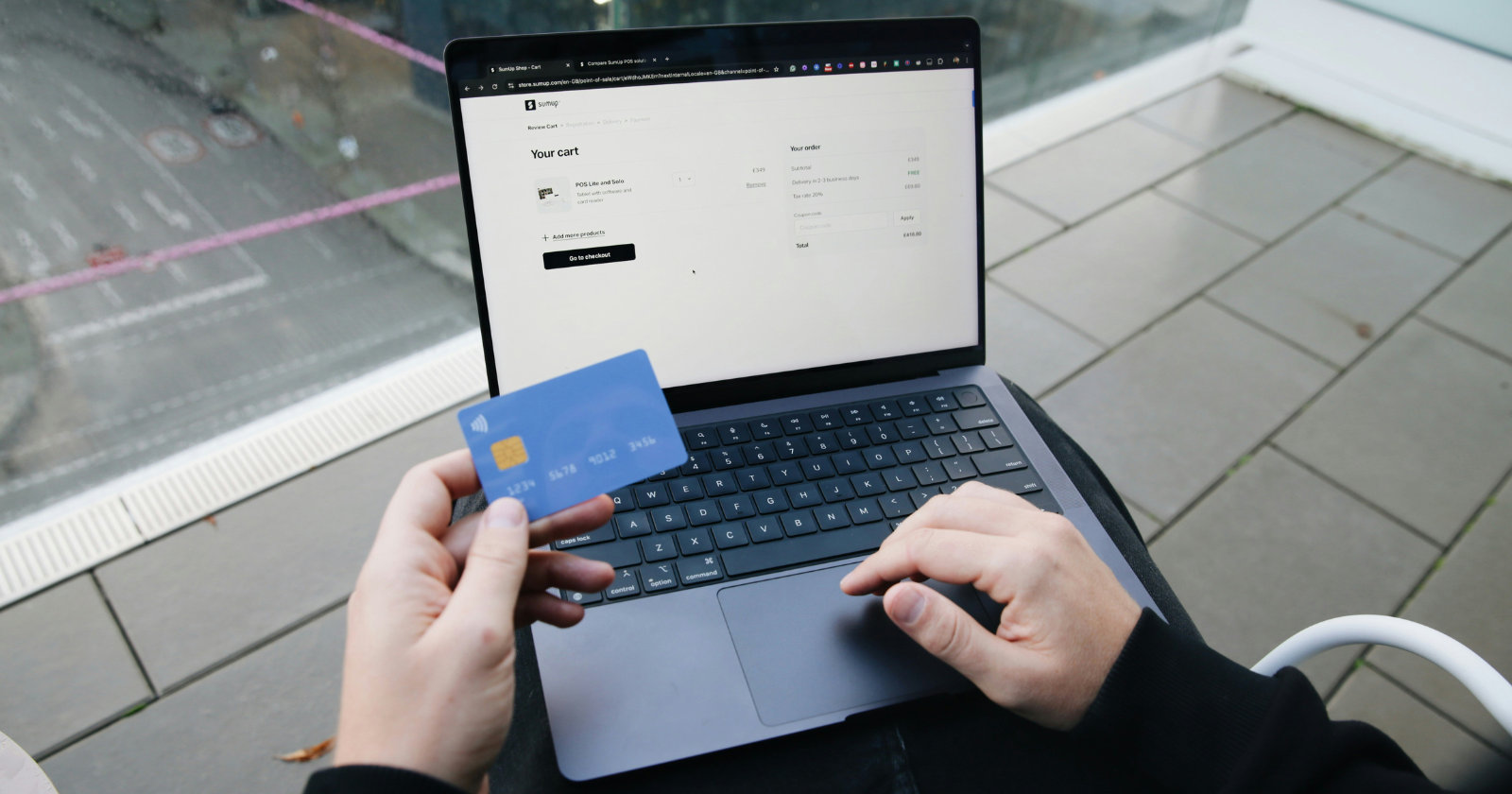
Remember that course you’ve been meaning to take? The gym membership you keep postponing? The software upgrade sitting in your cart for weeks?
Marketers know you’re not waiting for more information. You’re waiting for the right emotional state.
Back when I worked at a mid-sized agency in San Francisco, we had detailed playbooks about this. We called it “the vulnerability window” – that moment when someone’s emotional resistance drops just enough for desire to overtake hesitation.
Alicia Tillman, Chief Marketing Officer at SAP Ariba, puts it perfectly: “Emotions play an enormous part in how buyers act and react. They propel decisions and instill a personal connection between the buyer and the brand that extends beyond the transaction itself.”
The industry doesn’t just understand this – it engineers situations to create these emotional states. Think about the last time you bought something you’d been considering for months. Was it really because you suddenly had more information? Or was it because something shifted emotionally?
Why Sunday nights and Thursday afternoons matter
Here’s something we tracked obsessively in my marketing days: purchase patterns by time and emotional context.
Sunday nights around 8 PM? That’s when people feel the weight of an unproductive weekend and seek redemption through “investment” purchases – courses, productivity tools, fitness programs.
Thursday afternoons between 2-4 PM? That’s peak “escape fantasy” time. Travel bookings, hobby supplies, anything that promises a different life.
These aren’t random patterns. They represent predictable emotional cycles that marketers exploit with surgical precision.
The fascinating part? We’re most likely to buy things we’ve been delaying during moments of mild dissatisfaction – not extreme highs or lows. It’s that specific sweet spot of “things could be better” combined with “I have just enough energy to believe change is possible.”
The artificial urgency you think you’re immune to
You know those countdown timers are fake. You know “only 3 left in stock” might be fabricated. You know the sale will probably happen again next month.
But here’s what marketers understand that you might not: your rational brain knowing these are tricks doesn’t stop your emotional brain from responding to them.
I’ve watched A/B tests where adding a simple “offer ends in 24 hours” message increased conversions by 30% – even when customers had been considering the purchase for weeks. The urgency doesn’t provide new information. It provides emotional permission to stop deliberating.
The most insidious part? These tactics work best on things you’ve already been considering. That item sitting in your cart becomes irresistible not because the discount got better, but because the artificial deadline gives your brain an excuse to stop the exhausting loop of “should I or shouldn’t I?”
The comparison trap that seals the deal
Want to know the exact moment marketers know they’ve got you? It’s when you start comparing options.
This sounds counterintuitive. Shouldn’t comparing options make you more rational? Actually, no. Once you’re comparing specifics – this feature versus that feature, this price point versus that one – you’ve already emotionally committed to buying something. You’re just looking for logical justification.
I learned this during a Consumer Psychology elective at UC San Diego that completely changed how I understood the industry. The professor showed us study after study proving that comparison shopping isn’t about finding the best option. It’s about finding the option that makes us feel smartest about a decision we’ve already made emotionally.
Marketers design comparison pages specifically to guide you toward the option they want you to choose. The “most popular” badge. The slightly-too-expensive option that makes the middle one look reasonable. The feature list that mysteriously aligns with exactly what their target option offers.
How life transitions become buying opportunities
There’s a reason you get flooded with certain ads after changing your relationship status on social media, moving to a new city, or starting a new job.
Life transitions destabilize our habits and identity, making us unusually open to purchases that promise to define our “new self.” That’s why January isn’t just about gym memberships – it’s about anything that represents transformation.
But here’s the pattern most people miss: we don’t buy during the transition itself. We buy during the “settling period” afterward, usually 2-3 weeks in, when the initial chaos has passed but the desire for change remains strong.
Marketers track these patterns religiously. They know exactly when someone who just moved is most likely to buy furniture (week 3), when new parents are most vulnerable to “must-have” baby products (weeks 6-8), when job changers will invest in professional development (month 2).
The social proof moment that breaks resistance
You’ve been thinking about that online course for months. The price hasn’t changed. The content hasn’t changed. But suddenly your colleague mentions they’re taking it, and within 48 hours, you’re enrolled.
This isn’t peer pressure – it’s something more subtle. Social proof doesn’t make us want things. It gives us permission to want things we already wanted. It transforms a private desire into a socially validated decision.
The marketing industry has weaponized this understanding. Those testimonials aren’t randomly placed. The “Sarah from Austin just purchased” notifications aren’t accidental. The carefully curated success stories appear at exactly the moment in your customer journey when social validation typically overcomes hesitation.
Putting it all together
After years in the industry, here’s what disturbs me most: these tactics work even when you know about them. Understanding manipulation doesn’t make you immune to it.
But it does give you something valuable – the ability to pause and ask yourself: Am I buying this because I genuinely want it, or because someone engineered this moment of vulnerability?
The next time you finally purchase something you’ve been putting off, notice the emotional context. Were you slightly tired? A bit dissatisfied? Comparing options? Seeing others’ success? Facing an artificial deadline?
These moments aren’t inherently bad. Sometimes that course really will help. Sometimes that purchase genuinely improves your life.
The key is recognizing when you’re in that vulnerable moment and making a conscious choice rather than following the emotional script marketers have written for you.
Because at the end of the day, the most powerful thing you can understand about marketing isn’t how it works on others. It’s recognizing the exact moment it’s working on you.