
This article was published in 2026 and references a historical event from 2023, included here for context and accuracy.
To learn more about our editorial approach, explore The Direct Message methodology.
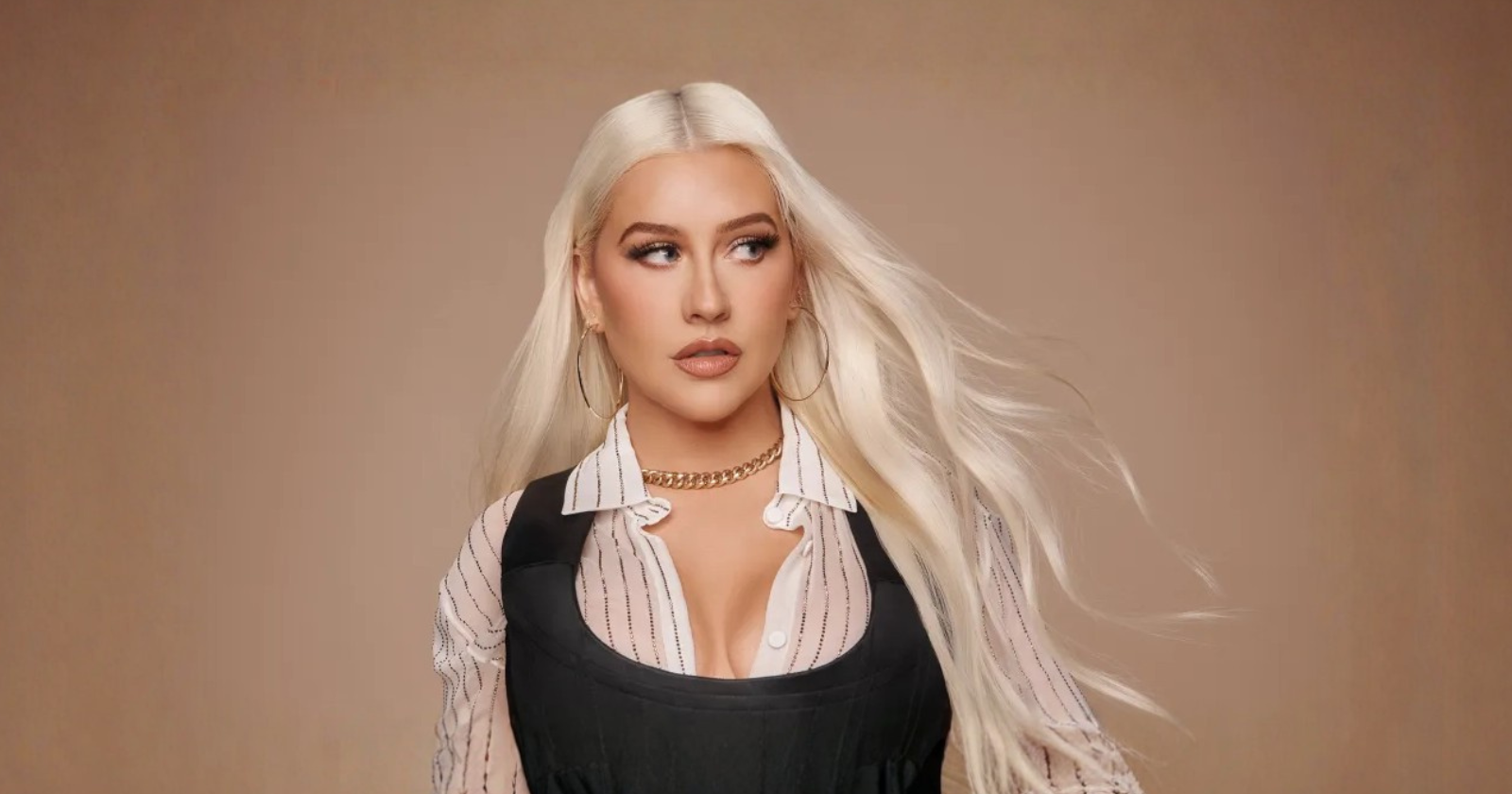
When Christina Aguilera announced her role as co-founder of Playground, a sexual wellness brand, in March 2023, the messaging followed a familiar pattern.
Partnering with Playground CEO Catherine Magee, Aguilera was on a mission to break down the deeply ingrained social expectations placed on women. The press releases emphasized empowerment, destigmatization, and revolution. The products included water-based lubricants with names like “Date Night” and “After Hours,” aromatherapy oils, and FDA-approved formulations incorporating adaptogens like ashwagandha and horny goat weed. Industry analysts estimated the brand would generate $5 million in sales within its first year.
Three years later, Playground exists within a sexual wellness market projected to reach $84.35 billion globally in 2026. The brand secured retail placement at Urban Outfitters and online distribution through Amazon. Aguilera appeared on podcasts to discuss vaginal health and female sexuality. The brand developed educational content through partnerships with sexologists and wellness experts. Everything proceeded according to standard celebrity brand playbook.
Yet beneath the surface of this success story lies a more complex question: When celebrity involvement in sexual wellness becomes indistinguishable from typical consumer product launches, what actually changes for the people these brands claim to serve?
The authenticity equation that never quite balances
The sexual wellness industry operates on a particular contradiction. Brands position themselves as activists challenging taboos while simultaneously functioning as standard consumer packaged goods companies optimizing for market share and profit margins.
This dual identity creates inherent tension between stated mission and operational reality.
Aguilera’s involvement with Playground illustrates this dynamic. Her decades-long public engagement with sexuality provided credible foundation for the partnership. From the “Dirrty” era through countless interviews discussing female empowerment, she established genuine credentials in the space. When she described the vagina as “our epicenter and our source where everything’s dumped out,” the language felt consistent with her established voice rather than scripted corporate messaging.
This authenticity matters to consumers. Research on celebrity brand perception shows that involvement level significantly impacts trust. Consumers distinguish between celebrities who simply attach their names to products versus those who demonstrate actual investment in brand development. The difference appears in purchasing behavior and conversion rates.
Yet authenticity alone doesn’t resolve the underlying tension. Even genuinely invested celebrities operate within commercial frameworks that prioritize different outcomes than cultural transformation. Playground needed to achieve sales targets, secure retail partnerships, and generate returns for investors. These requirements inevitably shape product development, pricing strategies, and marketing approaches in ways that may diverge from pure mission focus.
The brand launched with premium positioning at $25 per lubricant bottle. This pricing reflected quality ingredients and elegant packaging, but it also created accessibility barriers. The people who might most benefit from normalized sexual wellness conversations often face economic constraints that luxury pricing excludes. When empowerment requires premium purchasing power, the revolutionary claims begin to ring hollow.
The marketplace echo chamber drowning signal
The sexual wellness category has become crowded with brands making similar promises. By 2026, consumers encounter endless options claiming to destigmatize, empower, and revolutionize. Each new entry emphasizes natural ingredients, inclusive messaging, and educational resources. The repetition creates noise that makes meaningful differentiation nearly impossible.
This saturation affects how consumers process brand claims. When every company describes itself as mission-driven and transformative, the language loses impact. What should be powerful statements about cultural change become expected marketing copy. Consumers develop resistance, approaching wellness brand messaging with skepticism regardless of actual authenticity.
The celebrity component adds another layer of complication. Analysis of wellness trends reveals that celebrity involvement often overshadows scientific credibility and product efficacy. Name recognition drives initial attention, but it doesn’t guarantee sustained engagement or meaningful impact. Many celebrity wellness ventures fade within years as consumers realize the products don’t differ substantially from non-celebrity alternatives.
Playground faced these dynamics in a market already containing established players like Lelo, Lovehoney, and Dame. These companies had built reputations through years of consistent work in sexual wellness before celebrity involvement became standard practice. They established distribution channels, developed customer bases, and created educational content without relying on star power for legitimacy.
The noise extends beyond brand messaging into broader cultural conversation. Media coverage of celebrity wellness launches typically emphasizes novelty and personality rather than substantive examination of claims or actual utility. Articles focus on who founded what rather than whether the products serve genuine needs differently than existing options. This pattern reinforces perception that sexual wellness has become primarily a branding exercise rather than meaningful category evolution.
Even internal brand elements can contribute to noise. Playground’s use of adaptogens like ashwagandha and horny goat weed positions products at the intersection of sexual wellness and general wellness trends. But adaptogens have become ubiquitous wellness buzzwords, appearing in everything from coffee to skincare. Their inclusion signals market awareness more than revolutionary formulation.
What actually changes when products change hands
The question worth asking about any wellness brand launch is not whether it succeeds commercially but whether it alters underlying dynamics that create the problems it claims to address. For sexual wellness specifically, this means examining whether new products shift cultural conversations about sexuality, pleasure, and health in ways that extend beyond individual purchasing decisions.
Commercial success for wellness brands often measures market penetration rather than cultural transformation. The metrics that matter to investors may have little relationship to the outcomes that matter for genuine progress.
Playground contributed to ongoing normalization of sexual wellness through mainstream retail presence and celebrity amplification. Having these products available at Urban Outfitters signals category acceptance in ways that matter for cultural perception. Aguilera’s platform allowed conversations about vaginal health and female pleasure to reach audiences who might not otherwise engage with the topic.
Yet these contributions exist within limitations. Retail presence doesn’t address underlying shame or discomfort many people experience around sexuality. Educational content provides information but doesn’t replace the deeper work of examining internalized messages about bodies and pleasure. Products can facilitate experiences but can’t create the relational trust and communication skills that determine whether those experiences feel meaningful.
The focus on female-specific formulations also reveals complexity. Playground marketed primarily to women with messaging about reclaiming sexuality and prioritizing pleasure. This targeting makes sense given persistent gaps in attention to female sexual wellness. But it also risks reinforcing gender essentialist approaches that don’t fully account for diverse experiences of sexuality across the gender spectrum.
The longer work beyond product launches
Three years after Playground’s announcement, the sexual wellness market continues rapid expansion. New brands launch regularly. Existing companies introduce product line extensions. Retailers expand shelf space for the category. By conventional business metrics, the industry demonstrates clear momentum and mainstream acceptance.
This growth matters. Broader availability of sexual wellness products does serve people who benefit from accessible options for enhancing intimate experiences. Reduced stigma around purchasing these items reflects genuine cultural progress. The willingness of major retailers to stock products they would have avoided years ago indicates meaningful shifts in commercial risk assessment around sexuality.
But sustainable change in how societies approach sexual wellness requires engagement beyond consumer marketplace dynamics. It involves comprehensive sexuality education that addresses pleasure alongside safety. It requires dismantling shame and trauma rather than simply selling products to people carrying that shame. It means examining power dynamics and consent in intimate contexts, not just product formulations.
The most valuable contribution celebrity wellness ventures can make may be using their platforms to direct attention toward these deeper issues rather than primarily driving product sales. When Aguilera discusses sexuality in interviews, the conversation matters more than whether listeners subsequently purchase Playground lubricants. The media access her involvement provides creates opportunities for substantive dialogue that extends beyond brand promotion.
Similarly, the resources wellness brands direct toward education and community building often generate more lasting impact than their product catalogs. Playground’s partnerships with sexual health experts and content creation around topics like arousal and body acceptance serve people whether or not they become customers. These efforts acknowledge that real empowerment comes through knowledge and cultural transformation rather than purchasing power alone.
The question facing the sexual wellness industry as it matures is whether it can evolve beyond treating empowerment primarily as marketing language toward genuinely prioritizing the outcomes that language promises. This evolution requires acknowledging that commercial success and cultural progress sometimes align but often diverge. It means recognizing that authentic transformation demands sustained commitment beyond product launch cycles and quarterly earnings reports.
For consumers navigating the expanding wellness marketplace, the challenge involves distinguishing between brands genuinely invested in the cultural work and those primarily optimizing marketing messages. This distinction doesn’t always appear clearly, but patterns emerge over time. The brands that maintain focus on education, community, and access rather than just premium positioning and celebrity association tend to demonstrate more authentic engagement with the missions they claim.
The sexual wellness conversation benefits from every participant willing to normalize discussion and reduce shame around human sexuality. Celebrity involvement can accelerate this process through amplification and cultural permission. But the deepest work happens in countless individual moments of vulnerability, communication, and self-discovery that no product can manufacture. Progress requires acknowledging that distinction while appreciating the role thoughtfully developed products can play in supporting experiences that matter to people’s lives.