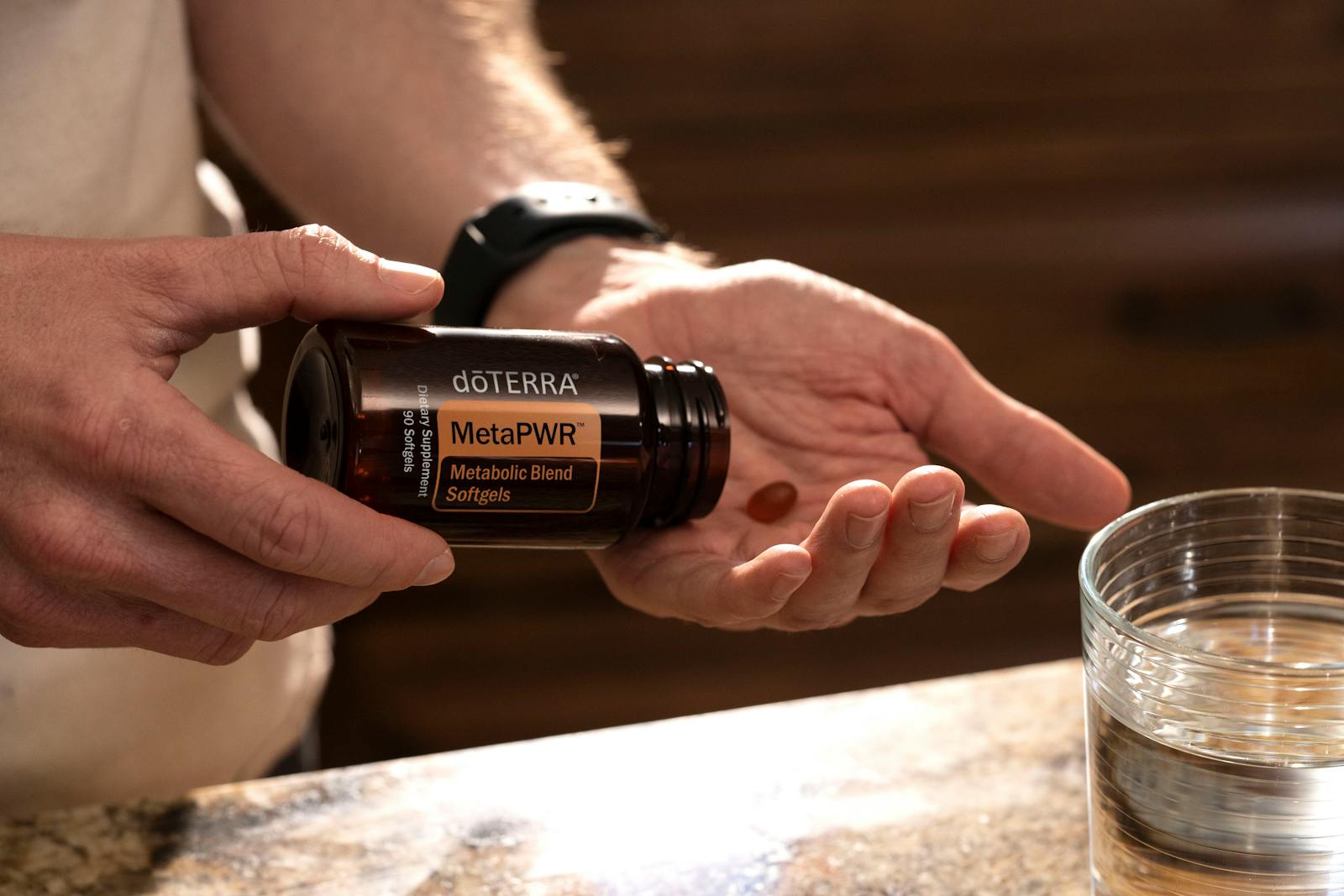
- Tension: Millions of people build daily supplement stacks from internet advice, never realizing that individually beneficial supplements can actively undermine each other when taken together — turning a ritual of self-care into a decade of silent self-sabotage.
- Noise: The wellness internet treats supplementation as additive: more is better, stacking is smarter. But the body is a competitive system where minerals fight for absorption, compounds interact unpredictably, and being informed is dangerously different from being safe.
- Direct Message: The supplement ritual was never really about health — it was about the unbearable feeling of having a body you can’t fully control. Real care starts when you stop confusing accumulation with protection and let context replace comfort.
To learn more about our editorial approach, explore The Direct Message methodology.
Diane, a 54-year-old school librarian in Portland, Oregon, kept her morning supplements in a small ceramic bowl next to the coffee maker. Vitamin D3, magnesium glycinate, and calcium carbonate. Every morning for eleven years, she’d swallow all three with her first cup of coffee, feeling the quiet satisfaction of someone doing right by her body. She’d read about each one separately, on different wellness blogs, in different years, for different reasons. The D3 was for mood and immunity. The magnesium was for sleep and muscle cramps. The calcium was for bone density, because her mother had osteoporosis and Diane wasn’t going to let that be her story too. When her new neurologist, during a routine follow-up for recurring migraines, asked her to list everything she took each morning, he paused at the combination. Then he told her something that made her sit very still: the calcium she’d been taking to protect her bones had likely been inhibiting her magnesium absorption for over a decade. The two minerals were competing for the same receptor pathways, and the calcium was winning.
She’d been supplementing magnesium for years and functionally getting a fraction of it.
I’ve been thinking about Diane since I first heard her describe that appointment, because her experience mirrors something I keep encountering: the phenomenon of supplemental self-sabotage, where the act of taking control of your health becomes the mechanism through which you quietly undermine it. And the uncomfortable part is that the internet, the very tool that empowered people like Diane to take charge, is also the thing that made this kind of invisible harm so easy to sustain.
The supplement industry in the United States generates over $50 billion annually, and a significant percentage of consumers build their daily stacks not from medical consultation but from aggregated online advice. A 2022 study published in JAMA Network Open found that nearly 52% of American adults use dietary supplements, yet fewer than a quarter discuss their regimen with a healthcare provider. That gap between consumption and consultation is where stories like Diane’s live.
The calcium-magnesium interaction isn’t obscure science. It’s well-documented. Both minerals use the same transport channels in the intestine, and when taken simultaneously, calcium (which most people take in higher doses) can significantly reduce magnesium uptake. A 2020 review in Nutrients laid this out in detail, noting that the ratio and timing of these two minerals matters enormously for bioavailability. Doctors who specialize in micronutrient therapy know this. But most people don’t see those doctors. They see headlines. They see Instagram carousels. They see Joe Rogan clips and Korean beauty wellness influencers recommending supplement stacks with the casual authority of someone describing a morning smoothie recipe.
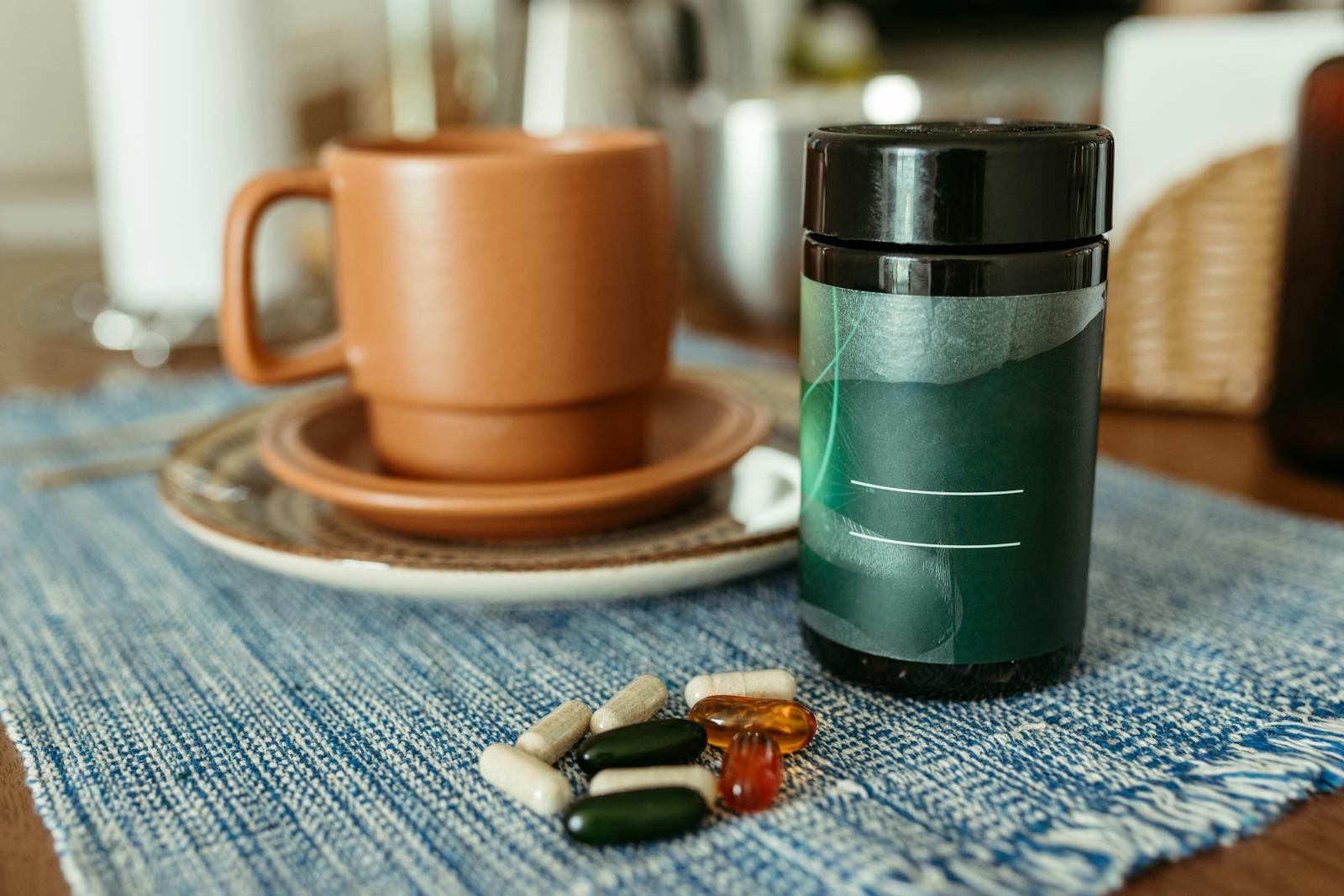
Marcus, a 38-year-old software developer in Austin, told me he’d been taking high-dose zinc and copper together for years after reading a longevity thread on Reddit. He thought he was covering all his bases. What he didn’t know was that zinc actively competes with copper for absorption, and his consistently low energy levels, the very symptom he was trying to fix, may have been worsened by copper deficiency. His functional medicine doctor caught it during bloodwork he’d only ordered because his wife insisted. “I thought I was biohacking,” Marcus said. “I was just breaking something I didn’t understand.”
There’s a psychological pattern here worth naming. I call it competence theater: the performance of health optimization that feels like control but operates without feedback. You take the pill. You feel the ritual. You believe the narrative. And because supplements don’t produce immediate, obvious side effects the way, say, a medication interaction might, the absence of harm feels like the presence of benefit. This is confirmation bias at its most invisible. You attribute good days to the stack. You attribute bad days to stress, sleep, weather, anything but the stack. The supplements become protected from scrutiny by the very belief system that installed them.
As we’ve explored regarding people who can’t do anything in moderation, there’s often a trauma response underneath the drive to optimize. The supplement stack becomes another expression of hypervigilance, a way to feel like you’re outrunning something. Diane admitted, months after that neurologist appointment, that her morning ritual wasn’t really about bone density. It was about her mother’s slow decline. It was about the terror of becoming someone who couldn’t remember where she put her keys. The supplements were talismans against a future she couldn’t control.
This is the part that rarely gets discussed in wellness content. The emotional architecture underneath the supplement habit. Priya, a 47-year-old marketing director in Chicago, took fish oil, turmeric, and a B-complex every morning for eight years. She considered herself well-researched. She listened to health podcasts during her commute. When her integrative physician pointed out that the curcumin in her turmeric supplement could potentially interact with blood-thinning properties of her high-dose fish oil (she was already on a low-dose aspirin for a family cardiac history), she felt something she described as betrayal. Not at the doctor. At herself. “I thought being informed was the same as being safe,” she told me. “Those are very different things.”

Priya’s distinction matters. Being informed means having data. Being safe means having context. Context is what tells you that two individually beneficial substances can become adversarial when combined. Context is what distinguishes between a study about magnesium’s benefits in isolation and the reality of magnesium competing with calcium in your specific gut, at your specific dose, at 7:15 every morning with your specific cup of coffee (which, incidentally, can further reduce mineral absorption). The internet is spectacular at delivering information. It is catastrophically bad at delivering context.
Research into why some brains age differently than others keeps reinforcing that neuroprotection is less about adding things and more about understanding the systems those things enter. The same principle applies to supplementation broadly. Your body isn’t a collection of deficiencies waiting to be filled by individual capsules. It’s a dynamic, competitive, endlessly interactive system where every input reshapes the conditions for every other input.
And yet, the cultural narrative around supplements remains stubbornly additive. More is better. Stack is smarter. If one thing is good, three things taken together must be three times as good. This is the logic of accumulation, and it’s the same logic that drives people to build entire identities around cognitive optimization without ever pausing to check whether the foundation is sound.
After her appointment, Diane dropped the calcium and started getting it from food sources instead: sardines, fortified orange juice, dark leafy greens. She kept the magnesium but moved it to evenings, away from meals heavy in calcium. She kept the D3 because her bloodwork confirmed she was genuinely deficient. Within three months, her sleep improved measurably. Her migraines decreased in frequency. She doesn’t know with certainty that the change in supplementation caused it. She’s comfortable with that uncertainty now.
Marcus separated his zinc and copper by six hours. Priya stopped taking turmeric and talked to her cardiologist about what, if anything, she actually needed.
None of them stopped caring about their health. They just stopped confusing ritual with rigor.
That ceramic bowl still sits next to Diane’s coffee maker. There’s one pill in it now instead of three. She told me it looks lonely there, and then she laughed, because she recognized something in the word lonely that had nothing to do with supplements. She’d been filling that bowl the same way she’d been filling her mornings: with the appearance of protection, stacked high enough that she didn’t have to look at what was underneath. The bowl was never about health. It was about the unbearable feeling of being a body you can’t fully control, in a world that keeps selling you the illusion that you can. One pill in a ceramic bowl turns out to be the most honest thing she’s done for herself in years. The emptiness, the space where the other two used to be, is the part that’s actually working.
Feature image by doTERRA International, LLC on Pexels