
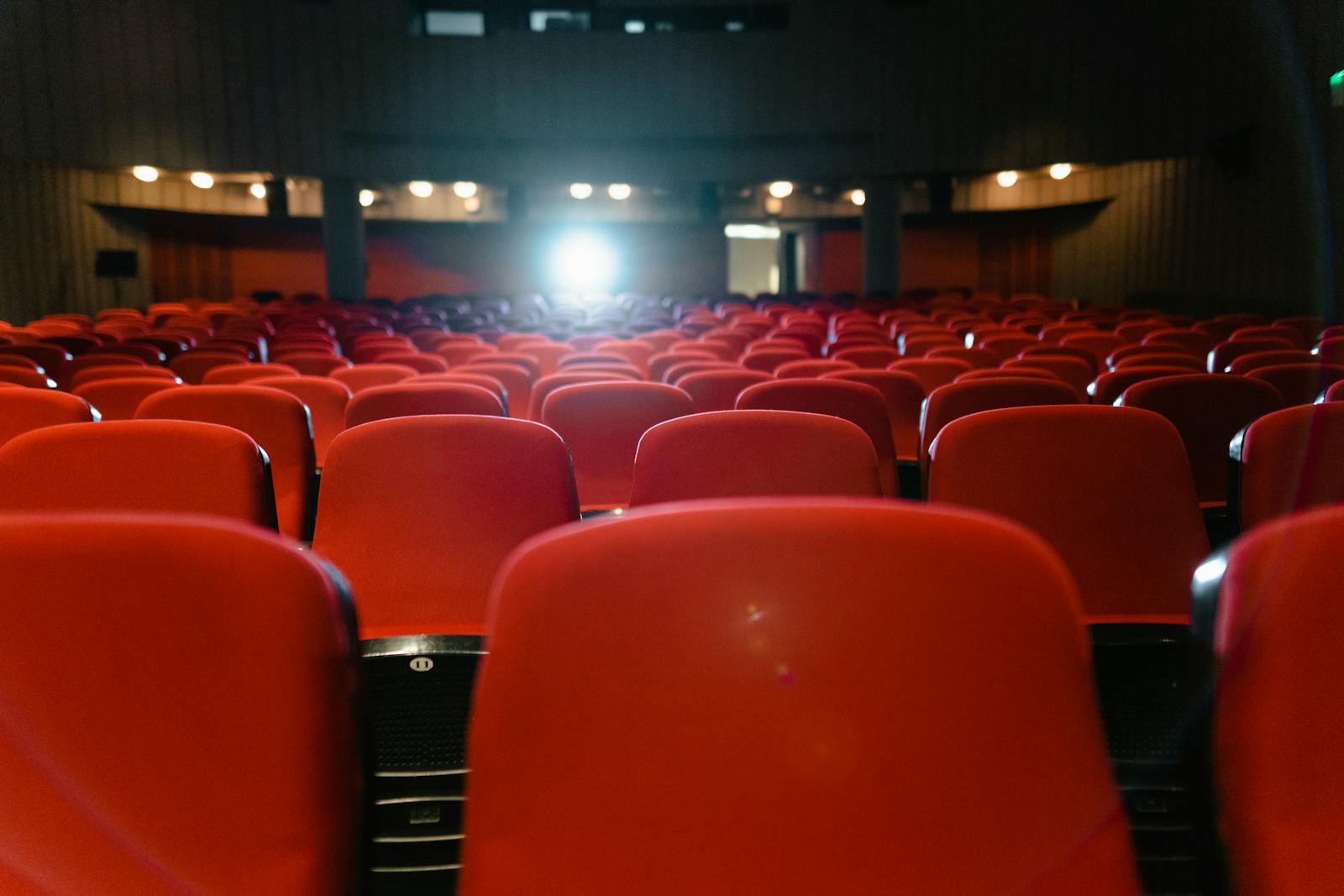
June 1975 was the month Steven Spielberg broke open the modern movie industry. Jaws helped establish the summer blockbuster model, turned theatrical distribution into an event-driven business, and convinced studios that mass-market storytelling could be both art and commerce. Each proof of concept — Jaws, Raiders of the Lost Ark, Jurassic Park — demonstrated that a single original film could generate a franchise, a theme park ride, a merchandising empire. Studios learned the lesson so thoroughly that they forgot the original films were, in fact, original. The franchise came after the creative risk, not before it. Fifty-one years later, the same filmmaker stood on a CinemaCon stage and told the industry he helped create that it had perfected the replication while killing the thing it was replicating — and the proof is not in what Hollywood greenlights, but in how it optimizes every decision around the wrong metric.
The occasion was the debut of a reported sci-fi thriller about alien visitors and a government conspiracy to suppress their arrival. The trailer reportedly left the Las Vegas audience buzzing. But the real story out of CinemaCon had nothing to do with extraterrestrials. Spielberg reportedly emphasized the importance of original storytelling over branded intellectual property, warning that the industry’s reliance on known franchises is unsustainable. The line landed like a confession from the priest who built the church.
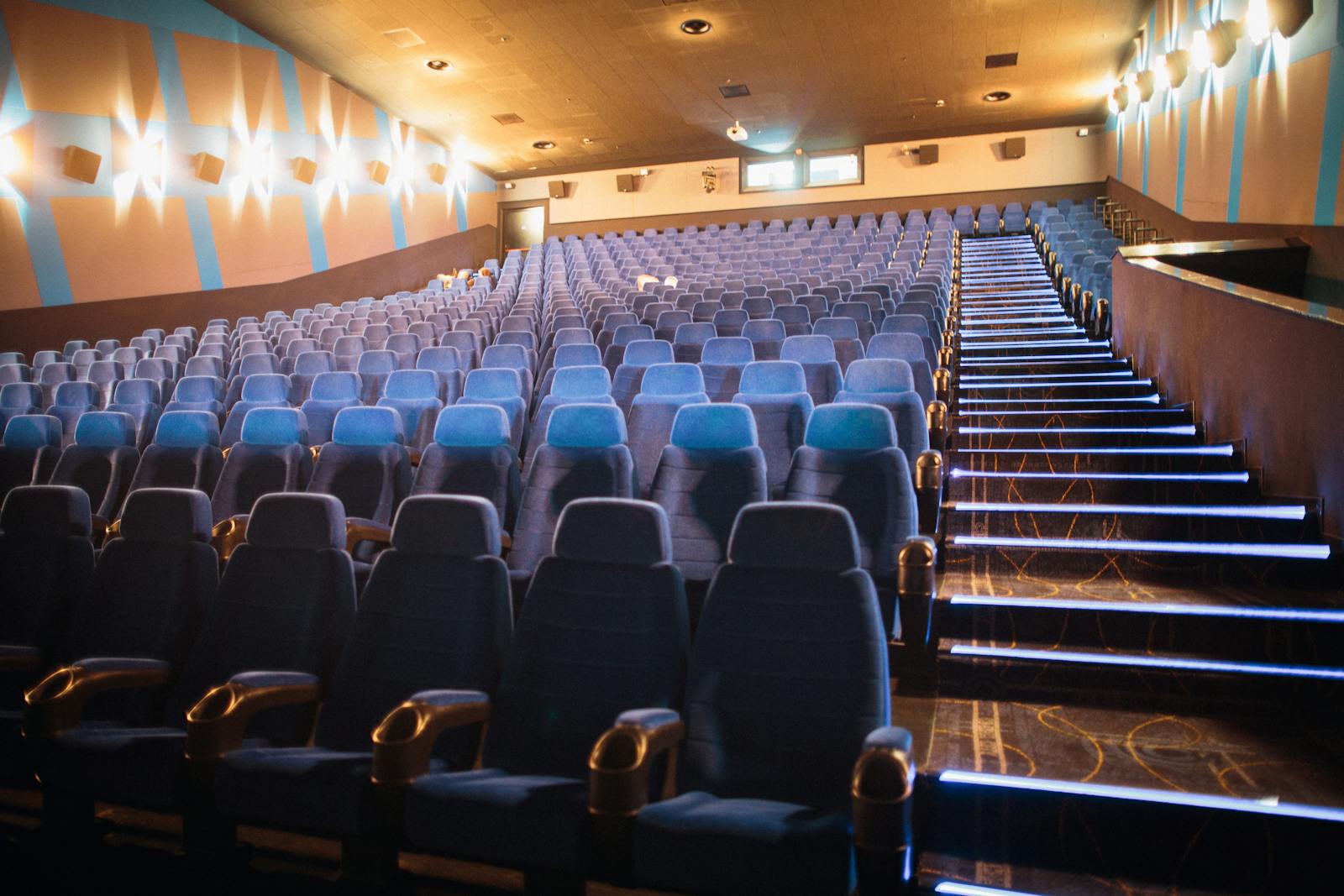
The structural problem is not one of creative courage. Studios have creative courage in abundance when the downside is capped and the upside is infinite. What they lack is tolerance for a particular kind of financial uncertainty: the uncertainty that comes with an audience who hasn’t been preconditioned to show up. A sequel to a known property carries a floor. An original story does not. And when theatrical windows have been shrinking before films hit streaming platforms, the floor matters more than the ceiling. This is what optimization for the wrong metric looks like in practice. The proxy measure — brand recognition, opening-weekend predictability — has fully replaced the thing it was supposed to represent: audience wonder, cultural relevance. Hollywood didn’t decide to stop making original films. It decided that predictability was a reasonable substitute for quality, and then built an entire infrastructure around that substitution.
You can see this optimization logic running beneath every major industry debate, including the one about theatrical windows. Spielberg reportedly praised studios for extending exclusive theatrical runs, a shift that matters deeply for exhibitors. The extension increases the period during which a theater is the only place to see a new film. For independent cinema operators, that extension can be the difference between a viable business and a slow foreclosure.
But the window debate reveals the same metric confusion at a deeper level. A shorter window treats the theatrical release as marketing for the streaming debut. A longer window treats the theatrical release as the product itself. These are entirely different conceptions of what a movie is. When a consumer knows a film will be on their home screen in a matter of weeks, the motivation to leave the house diminishes. The window length creates a sense of scarcity. Scarcity is not a bug of the old theatrical model. It was the mechanism that made the model function. And studios shortened it not because audiences demanded immediacy, but because the optimization framework told them that faster monetization across platforms was the rational play. The metric said compress. The metric was wrong.
Spielberg seems to understand this intuitively. Decades separate his 1977 alien-contact film Close Encounters of the Third Kind from his recent return to blockbuster filmmaking. The gap reflects a period in which Spielberg turned away from summer spectacle toward personal dramas and prestige projects. His return to blockbuster filmmaking is itself a data point about what the market is asking for.
The new film apparently draws on increasing public interest in unidentified aerial phenomena, a thread that gained mainstream traction after a 2017 New York Times report revealed a secret Pentagon program investigating mysterious sightings. That report shifted the UFO conversation from conspiracy culture to defense policy. Spielberg is doing what he has always done: taking a cultural anxiety that lives in whispered conversations and handing it a three-act structure. The difference is that this time, he is also arguing about the economic conditions that allow such stories to exist.
And this is where the irony curdles into something more useful than irony. Yes, Spielberg created the commercial logic that eventually led to IP dependency. Acknowledging that does not neutralize his argument — it strengthens it. He is not an outsider lobbing critiques. He is the architect walking back through the building and pointing out that the contractors poured the foundation in the wrong place. The original blockbusters succeeded because they optimized for the right thing: an experience so overwhelming that audiences had to tell other people about it. The system that inherited those blockbusters optimized for the shadow of that experience — the brand recall, the pre-awareness score, the four-quadrant demographic profile — and mistook the shadow for the substance.
This is the pattern that connects every dysfunction Spielberg was diagnosing on that CinemaCon stage. Franchise dependency is not a creative failure. It is a measurement failure. Shrinking theatrical windows were not a distribution failure. They were a measurement failure. The industry built sophisticated tools to predict what audiences would tolerate and then confused tolerance with desire. A known IP title with a compressed theatrical window and a global day-and-date streaming launch is, by every metric the system tracks, a perfectly optimized product. It is also, by the only metric that matters over decades, a machine for generating cultural indifference.
Spielberg’s new film will test whether the correction he is calling for is actually possible within the system he helped build. An original sci-fi thriller with no franchise pedigree, backed by a long theatrical window and the gravitational pull of a single director’s name — this is the anti-optimization play. It bets on scarcity over accessibility, on novelty over brand safety, on the conviction that audiences will leave their homes for something they cannot yet name. It is, in other words, exactly the bet that Jaws was in 1975, before anyone knew what a summer blockbuster looked like.
The question is whether Hollywood’s measurement infrastructure can even recognize success when it arrives in this shape. The studios have spent two decades building dashboards that reward predictability. An original hit scrambles those dashboards. It cannot be reverse-engineered into a formula because its success depends on the absence of formula. And that is precisely why the industry keeps defaulting to the franchise model even as individual franchises show diminishing returns — not because executives are stupid, but because the optimization framework they rely on has no way to value the thing Spielberg is describing. You cannot put a pre-awareness score on a film that doesn’t exist yet. You cannot model the upside of genuine surprise.
Spielberg built the franchise machine. Now he is telling Hollywood that the machine measures the wrong things, rewards the wrong bets, and is slowly replacing the creative risk that made the machine worth building in the first place. The industry will listen politely. It listened politely in 1975, too — right before Jaws made every prior assumption about what audiences would show up for obsolete. The difference is that this time, the thing that needs to become obsolete is not an old distribution model. It is the entire logic of optimization that replaced taste with data and called it progress.