
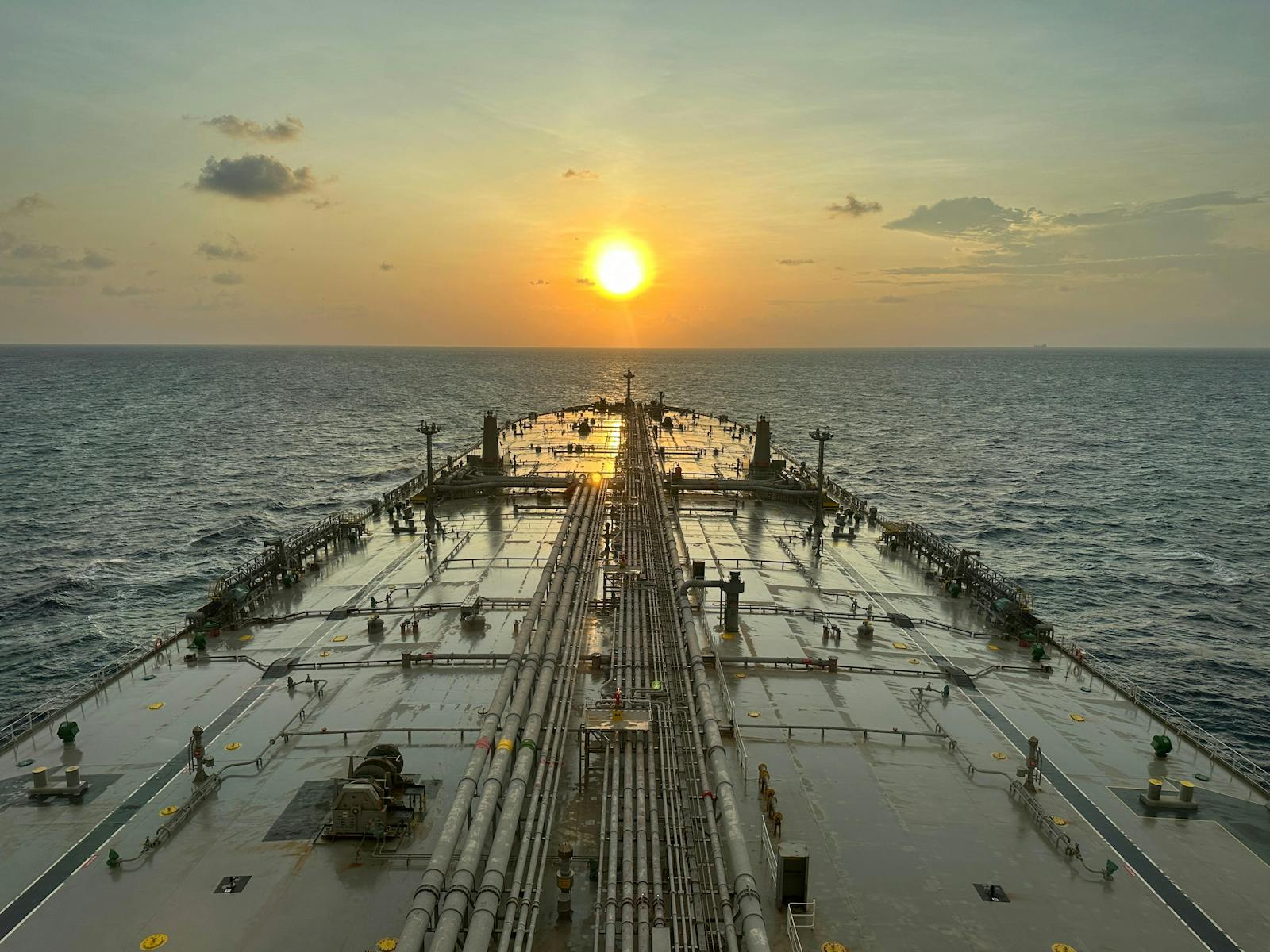
When the ceasefire between the United States and Iran was announced in early April 2026, oil analysts across trading desks in London, Houston, and Singapore reached for the same conclusion: prices would drop as shipping lanes reopened and crude flowed freely again. Commodities traders in Singapore watched Brent crude futures dip within hours of the announcement and told their teams to prepare for a sustained slide. They were wrong. So were most of the forecasters who assumed that ending a military standoff would quickly reverse months of supply chain disruption. The reality is that large-scale oil shipping will not resume at anything close to normal pace even with a ceasefire in place.
The mistake was a common one. It treated the ceasefire as a light switch. Flip it, and tankers move. But oil shipping through contested waters operates less like electrical current and more like muscle memory after an injury. The vessels can technically move. The insurance, the port clearances, the crew willingness, the mine-sweeping protocols, the re-establishment of convoy patterns: all of that takes weeks or months, not days.
The gap between a political agreement and an operational return to normal is where the real story lives. And it tells us something broader about how modern economies process geopolitical risk, something that goes well beyond barrels and shipping lanes.
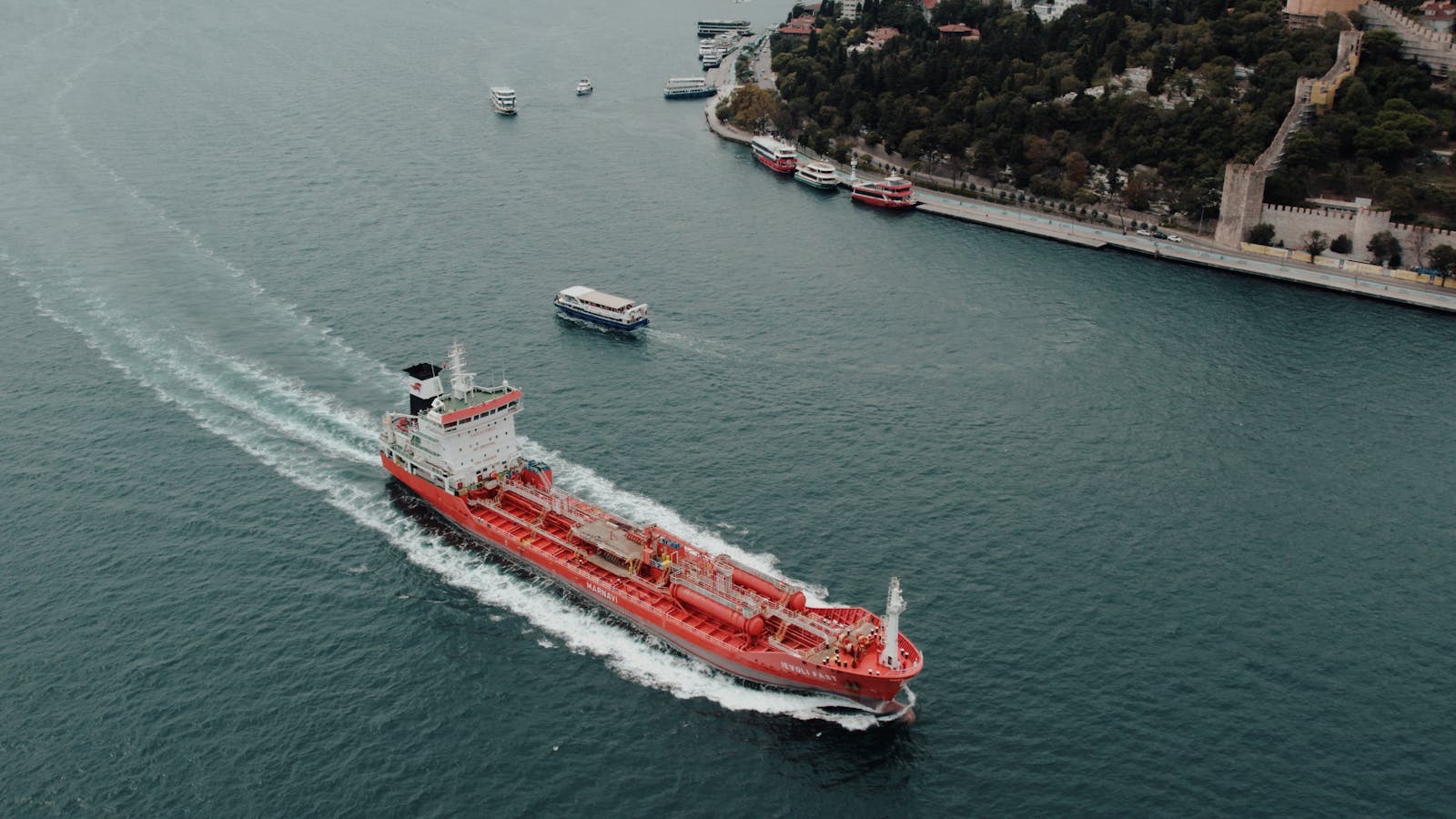
Consider what has happened since tensions escalated. Tanker operators rerouted vessels around the Cape of Good Hope rather than risk passage through the Strait of Hormuz. Insurance premiums for Persian Gulf transits spiked significantly. Many of those premiums remain elevated. Maritime insurance underwriters in London report that their firms have not received any guidance to lower war-risk premiums in the region. The ceasefire is provisional. Their models price in the possibility of resumption. Underwriters across the industry share that caution.
This is the first layer of friction. Insurance companies do not respond to headlines. They respond to sustained evidence of reduced risk. A ceasefire agreement, especially one whose enforcement mechanisms remain vague, does not qualify.
The second layer involves the ships themselves. During the months of heightened tension, many Very Large Crude Carriers (VLCCs) were redeployed on longer routes. Those vessels are now locked into voyages that add ten to fourteen days of transit compared to the Hormuz corridor. You cannot simply redirect a supertanker mid-ocean because a deal was struck in Geneva. The shipping industry operates on contracts, charter schedules, and port bookings made weeks in advance. The physical fleet needs time to reorganize.
Logistics coordinators at major shipping firms report that the problem is straightforward. Shipping companies have numerous tankers committed to the longer Cape route through May. Even if the ceasefire holds perfectly, those ships are finishing their current voyages before anyone considers rerouting them back through the Strait. That is a minimum four-to-six-week lag built into the system before any meaningful volume shifts.
And volume shifts require confidence. Confidence in the ceasefire, confidence in naval mine clearance, confidence that the military postures on both sides have genuinely de-escalated. Shipping companies have institutional memory. Twice burned, slow to return.
There is a psychological concept that applies here, one that behavioral economists have studied in financial markets: asymmetric risk perception. Research suggests that the speed at which actors retreat from danger is far faster than the speed at which they return to the place where danger existed. A single hostile act can empty shipping lanes in 48 hours. A peace agreement cannot refill them in the same timeframe. The withdrawal is emotional and rapid. The return is procedural and slow.
Oil markets are beginning to reflect this. The initial price dip lasted less than a day. Brent crude has since stabilized at levels only marginally below pre-ceasefire prices. The market, in its collective judgment, appears to understand what many analysts initially missed: supply is not coming back fast.
This matters beyond trading desks. It matters for governments budgeting around oil revenues. It matters for consumers already absorbing higher fuel costs. And it matters for the broader geopolitical calculus about what ceasefires actually accomplish in economic terms.
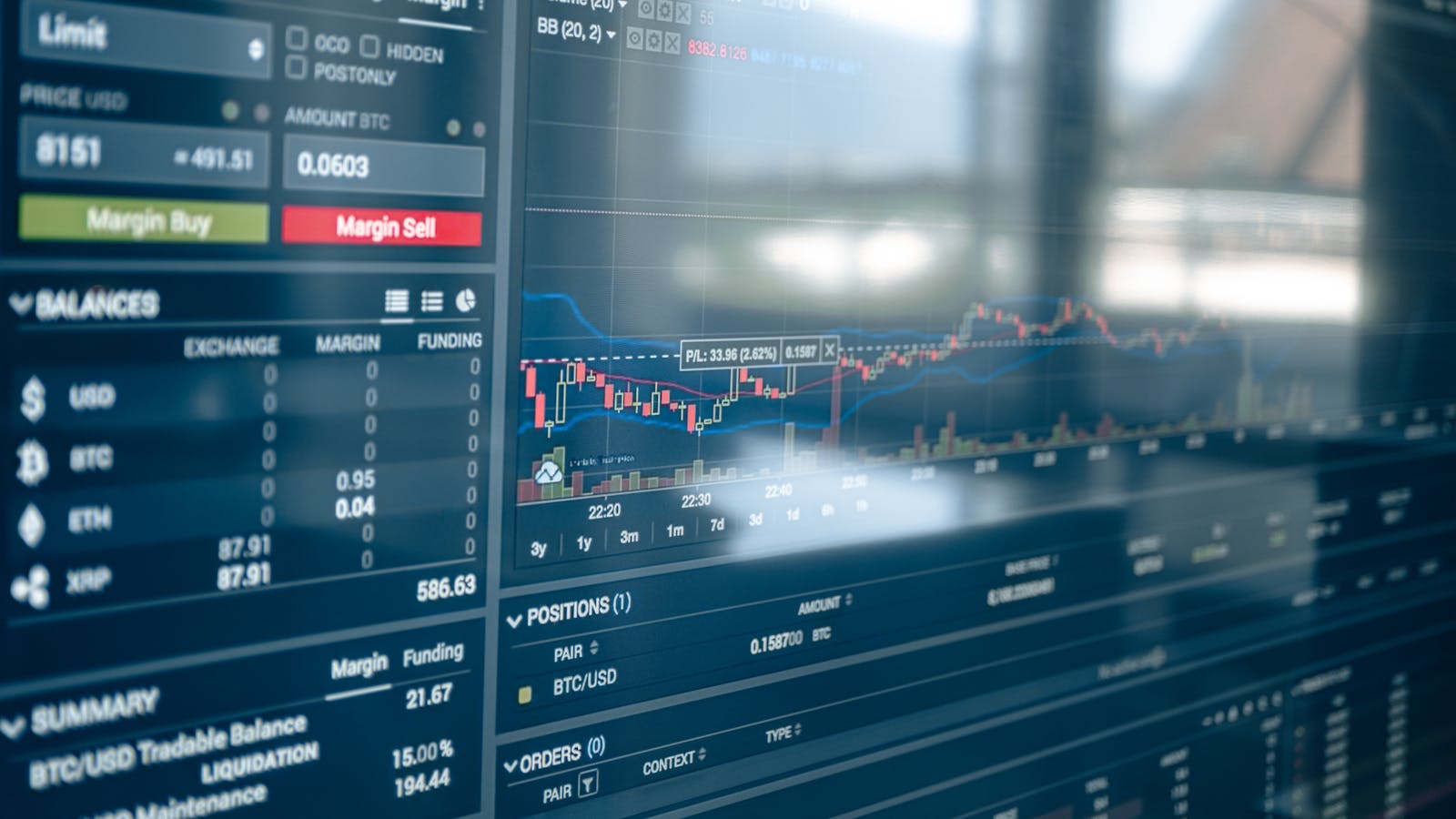
Energy policy consultants in Washington have spent recent weeks briefing congressional staffers on the gap between diplomatic timelines and energy market timelines. The core message is that a ceasefire does not equal supply normalization. Lawmakers, they report, tend to think in binary terms. Conflict on, prices up. Conflict off, prices down. The reality is that conflict creates structural damage to supply chains that persists long after the shooting stops. Some consultants have taken to calling it the “peacetime lag,” the period after a ceasefire where economic conditions remain closer to wartime than anyone in government wants to admit.
This framing is useful because it identifies a recurring blind spot in how political actors process the economic consequences of their decisions. The decision to escalate toward Iran carried costs that accumulated in insurance markets, shipping routes, refinery contracts, and storage logistics. Those costs embedded themselves into the system. A ceasefire does not extract them. It simply stops new costs from being added.
The structural residue of conflict is something that military historians understand well but that economic policymakers routinely underestimate. When the Suez Canal was closed during the 1967 Six-Day War, shipping patterns rearranged themselves around the Cape of Good Hope. Even after the canal reopened in 1975, some of those patterns had become permanent. New ports had been built. New relationships between carriers and refineries had formed. The old route was available again, but the old system was gone.
Nobody is suggesting the current disruption will last years. But the principle scales. Every week that tankers avoid the Strait of Hormuz is a week in which alternative arrangements calcify. Contracts get signed. Relationships form. The longer the disruption, the stickier the new patterns become.
For crude oil importers in Asia, the effect is direct. Japanese and South Korean refineries that had relied on short Persian Gulf transit times have spent months adapting to longer delivery schedules. They have adjusted inventory strategies, increased storage purchases, and in some cases shifted procurement toward West African or Latin American suppliers. Those adjustments will not be reversed overnight because of a ceasefire they are not yet certain will hold.
Industry observers see the same pattern from the logistics side. Clients are asking when things return to normal. The honest answer is that normal was destroyed the moment the first naval engagement occurred near Hormuz. What comes next will be a new normal, built on whatever the shipping industry and its insurers decide counts as acceptable risk. That calculation is ongoing. It has not concluded.
The political dimension adds another layer of friction. Iran’s willingness to allow unimpeded passage through the Strait was never simply about military positioning. It was, and remains, a bargaining chip. The ceasefire agreement reportedly addresses naval de-escalation but leaves ambiguity around inspection protocols and sovereignty claims. For shipping companies, ambiguity is functionally equivalent to risk. They price it accordingly.
American military planners have their own timeline concerns. The naval presence that was deployed to the region during the escalation phase cannot be withdrawn instantly, nor would it be prudent to do so before the ceasefire is tested. That continued military presence sends a mixed signal to commercial operators. The presence of warships says the area is still considered dangerous enough to require protection. Protection implies threat. Threat suppresses commercial traffic.
Commodities traders in Singapore have recalibrated their models. Many now expect a gradual supply normalization over eight to twelve weeks, assuming the ceasefire holds and no new provocations occur. That is a significant assumption. The geopolitical environment in the Persian Gulf has produced surprises with regularity over the past eighteen months. Traders who position themselves for smooth recoveries have been punished repeatedly.
The deeper pattern here extends beyond oil. It connects to how all complex systems respond to disruption. Supply chains of every kind share this characteristic: they break quickly and heal slowly. A port strike, a canal blockage, a pandemic shutdown, each creates damage that persists beyond the event itself. The event is the wound. The healing involves rebuilding trust, reestablishing rhythms, and re-proving reliability. None of that happens at the speed of a press conference.
Policy consultants have a phrase they use in briefings that captures this well. They call it “the announcement fallacy,” the belief that declaring a problem solved is the same as solving it. Governments announce ceasefires, trade deals, and reopenings. Markets process those announcements in minutes. But the physical world, the world of tankers and insurance policies and port schedules, processes change on its own timeline, indifferent to political calendars.
Maritime insurance underwriters in London will not lower their war-risk premiums until they see three consecutive months of unimpeded transit data. Logistics coordinators at major shipping firms will not reroute their tankers until their clients request it and their companies’ risk teams approve. Commodities traders in Singapore will not bet on a price collapse until the supply data confirms actual cargo movement through the Strait.
Each of them is waiting for something the ceasefire cannot provide: proof. Proof that the corridor is safe. Proof that the agreement will hold. Proof that the costs of returning are lower than the costs of staying away.
The ceasefire is a political event. The resumption of oil shipping is an operational process. The two are related but not synchronized, separated by the same gap that always exists between what governments announce and what industries actually do.
American consumers hoping for relief at the gas pump will find that the ceasefire moves through the energy system slowly, filtered through layers of commercial caution, contractual obligation, and institutional risk aversion. Fuel prices may ease modestly in the coming weeks, but the correction will be gradual, partial, and vulnerable to reversal.
The people who understand this best are not the analysts on television explaining the deal. They are the underwriters, the logistics coordinators, and the traders who live inside the friction. They know something that political commentary consistently fails to absorb: peace is an announcement, but normal is a process. The announcement happened. The process has barely begun.
And the process does not care about the announcement.