

Last October, Sandra Meijer, a 61-year-old retired school principal in Grand Rapids, Michigan, sat across from her neurologist and heard the phrase she’d been dreading for three years. Mild cognitive impairment. The word “mild” did nothing to soften it. Sandra had watched her mother lose language, then memory, then her own name. She’d spent the previous decade doing everything she thought would protect her: crossword puzzles, fish oil capsules, a Mediterranean diet she followed with near-religious discipline. Her neurologist looked at her chart and said something that surprised her. “The diet you’re on is good. But there’s one that might be better, and you’ve probably never heard of it.”
He was talking about DASH.
Sandra isn’t alone in her confusion. If you follow health media even casually, you’ve been buried in competing dietary claims for years. Keto sharpens your mind. Mediterranean is the gold standard. Paleo returns your body to its evolutionary roots. The noise is relentless, and it leaves most people doing what Sandra did: picking the plan with the best brand recognition and hoping for the best.
But a large-scale study published in the journal Alzheimer’s & Dementia did something unusual. Instead of championing a single diet in isolation, researchers at Rush University Medical Center and Harvard compared six of the most popular dietary patterns head-to-head, measuring their impact on cognitive decline over time. The diets included Mediterranean, DASH, MIND, Western, vegetarian, and a prudent (plant-forward, low-processed-food) pattern. The results weren’t ambiguous. DASH outperformed the other five diets on markers of global cognitive function, and the margin was significant enough that the researchers flagged it as a distinct finding.
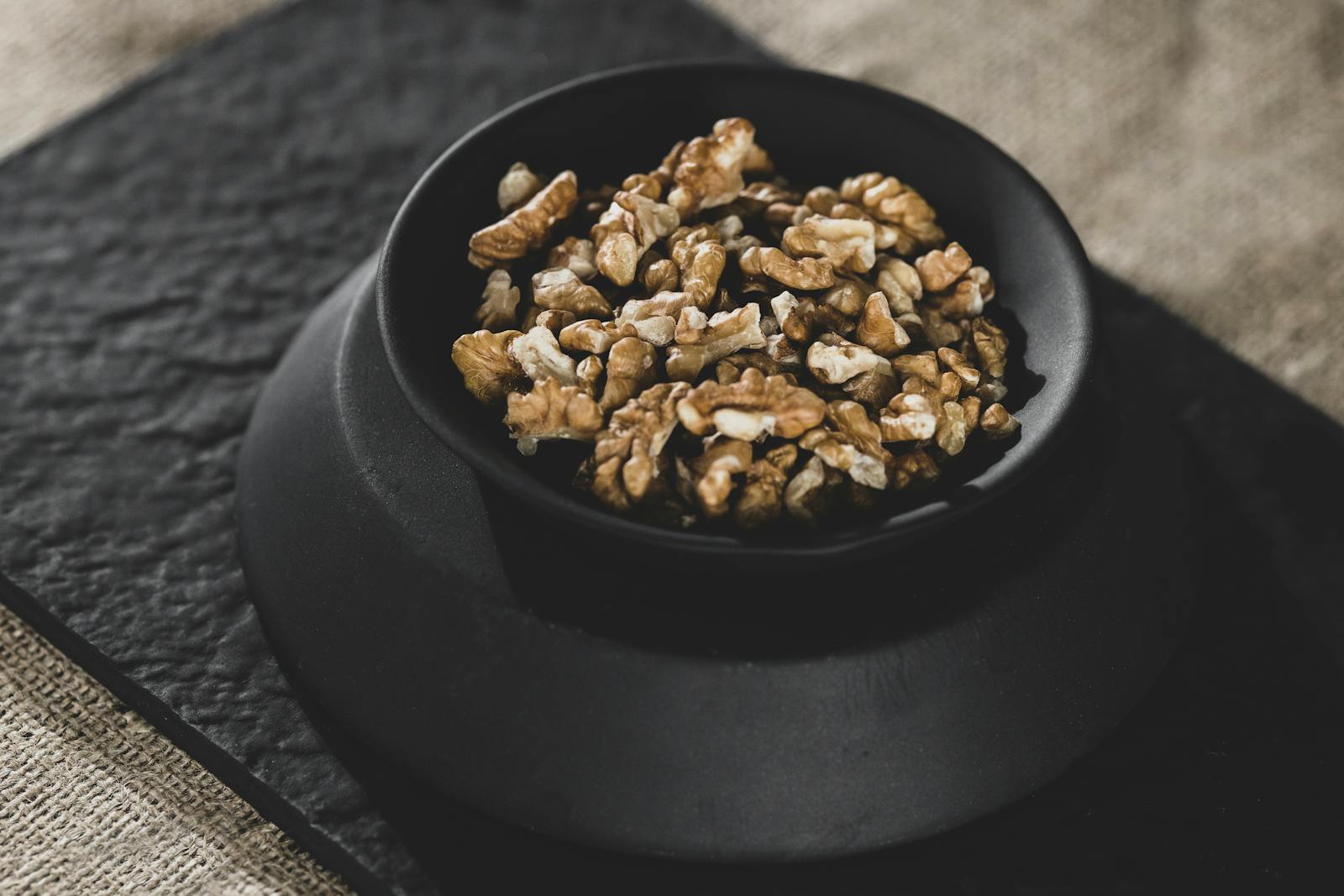
The DASH diet, which stands for Dietary Approaches to Stop Hypertension, was originally designed to lower blood pressure. It emphasizes fruits, vegetables, whole grains, lean protein, and low-fat dairy while sharply limiting sodium, red meat, and added sugars. It has the aesthetic appeal of a hospital cafeteria pamphlet, which is probably why it never caught on the way paleo or keto did. There’s no celebrity spokesperson. No bestselling book with a moody cover. No viral Korean food content repackaging it for a new generation. DASH just sits there, unsexy and evidence-based, waiting for someone to notice.
Tom Garza noticed. Tom is a 54-year-old logistics manager in Tucson who started DASH three years ago after a hypertension diagnosis. “I wasn’t thinking about my brain at all,” he told me. “I was thinking about not having a stroke at 55.” But within months, Tom said something unexpected happened. The mental fog he’d attributed to stress and aging started lifting. He was sharper in meetings. He stopped losing his car in parking garages. His wife, who’d been gently suggesting he “get checked,” stopped suggesting it. “I don’t know if it’s the diet or the blood pressure coming down or both,” Tom said. “Honestly, I don’t care. I’ll take it.”
Tom’s instinct may actually be the answer. What makes DASH uniquely effective for cognition appears to be its impact on vascular health. The brain consumes roughly 20 percent of the body’s blood supply. When blood pressure is chronically elevated, the tiny vessels feeding the brain stiffen and narrow, starving neurons of oxygen and accelerating the kind of damage that shows up years later as memory loss and slowed processing. DASH addresses this directly. A 2021 meta-analysis in Nutritional Neuroscience found that adherence to DASH was associated with significantly slower rates of cognitive decline across multiple domains, including episodic memory and verbal fluency, even after adjusting for age, education, and physical activity.
This vascular connection is something we’ve explored in depth. As a recent piece on the DASH diet’s cognitive performance noted, the brain-blood pressure link is one of the most underappreciated factors in neurodegeneration. And it connects to a broader picture emerging from brain aging research, including recent work identifying proteins that appear to keep certain brains from aging, suggesting that what we eat may interact with our neurobiology in ways we’re only beginning to map.
Nkechi Obi, a 47-year-old nurse practitioner in Baltimore, has a slightly different relationship with DASH. She grew up eating it before it had a name. “My grandmother cooked like this,” Nkechi said. “Greens, beans, fish, not a lot of salt because she had high blood pressure her whole life. When I saw the DASH acronym, I thought: that’s just Sunday dinner.” For Nkechi, the diet’s lack of cultural cachet is part of the problem. “People want transformation. They want before-and-after photos. DASH doesn’t give you that. It gives you a slower, quieter kind of protection, and that’s a harder sell.”

She’s right, and the psychology behind it matters. Behavioral researchers call this the “dramatic intervention bias,” our tendency to trust radical changes over incremental ones. A diet that eliminates entire food groups feels like it’s doing more. A diet that just asks you to eat more potassium and less sodium feels boring. But the data keeps pointing in the same boring direction.
There’s also the supplement question. Neurologists have raised concerns about certain supplement combinations that millions take daily, some of which may actually be counterproductive for brain health. And research on environmental toxins accelerating biological aging suggests that even the best diet exists within a larger ecosystem of risk. DASH can’t neutralize every threat. But it addresses the one variable most directly under your control: what you put on your plate three times a day.
Sandra Meijer made the switch six months ago. She kept the olive oil and fish from her Mediterranean routine but started paying closer attention to sodium, added more low-fat dairy, and increased her potassium-rich foods. Bananas, sweet potatoes, white beans. “It felt like adjusting the dial, not flipping a switch,” she said. Her next cognitive assessment is in four months. She’s cautiously optimistic, but what she really feels is something simpler. “I feel like I’m doing the right thing for the right reason now. Before, I was just doing the popular thing.”
There’s something quietly devastating about that distinction. So much of what we choose for our health is driven by visibility: which diet is trending, which supplement has the most polished marketing, which plan our favorite podcast host swears by. The interventions that actually move the needle tend to be the ones nobody talks about at dinner parties.
DASH works the way a lot of real protection works. Gradually, unspectacularly, in the background. It protects your blood vessels, and your blood vessels protect your brain, and your brain protects everything else. The dramatic diets get the attention. The quiet one gets the results. And the hardest part of choosing it is accepting that the most important changes in your life might not look like changes at all. They just look like Tuesday’s dinner, made a little differently than before.
Feature image by KOS Chiropractic Integrative Health on Pexels