
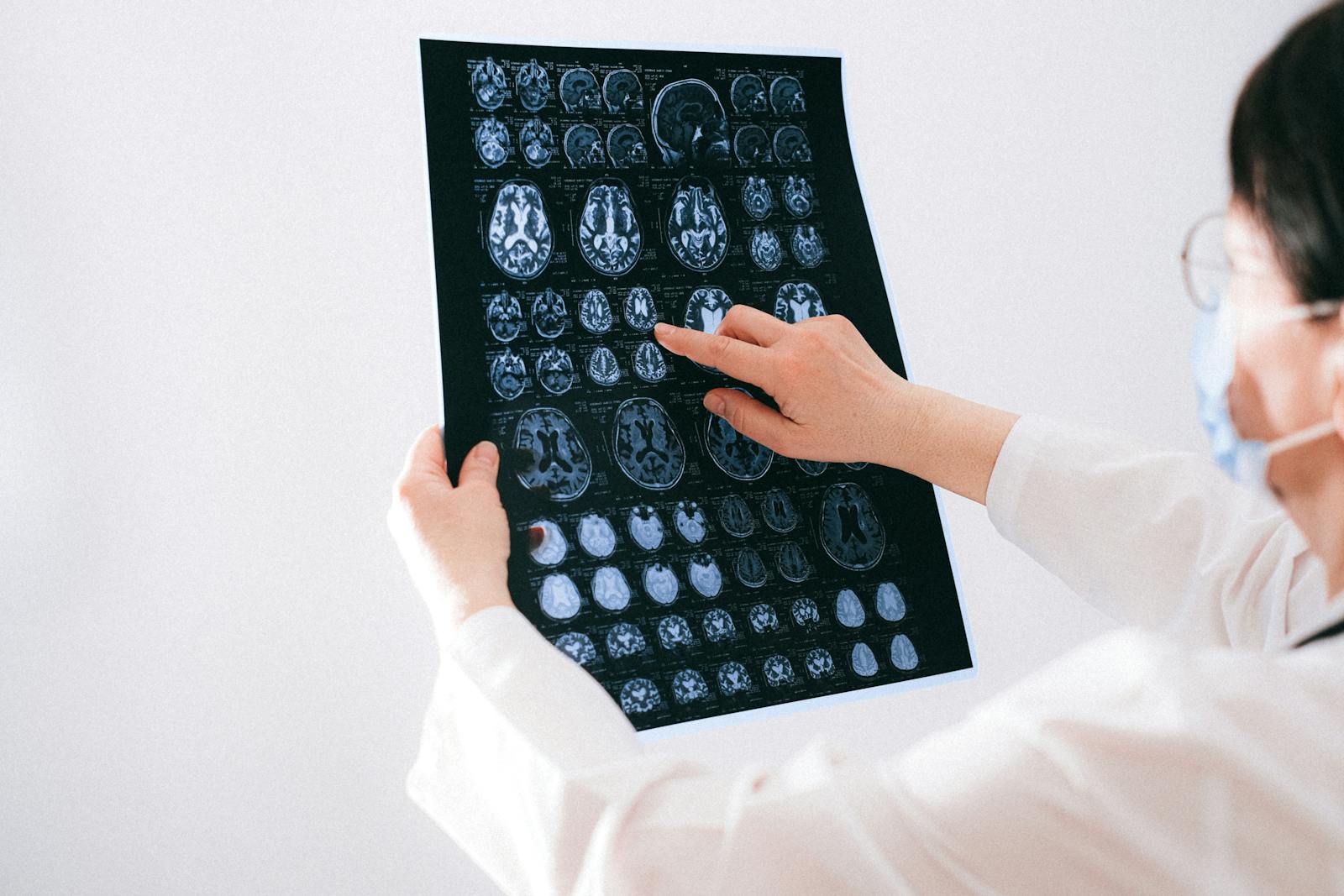
For decades, ADHD research has been haunted by a strange contradiction. Brain imaging studies kept producing conflicting results — some finding too much gray matter in certain regions, others finding too little, and still others finding no meaningful difference at all. Scientists blamed small sample sizes, inconsistent methodologies, the usual suspects. But recent research suggests the problem was never the research. The problem was the assumption that ADHD is one thing.
It isn’t.
Researchers have used machine learning to analyze structural MRI data from children and adolescents diagnosed with ADHD alongside neurotypical controls. What they found was striking: ADHD may comprise at least two distinct structural brain subtypes — each with unique physical characteristics and behavioral profiles — that had been invisible to previous research precisely because they were being lumped together.

The implications land hard. As the research team put it,
Feature image by Anna Shvets on Pexels