
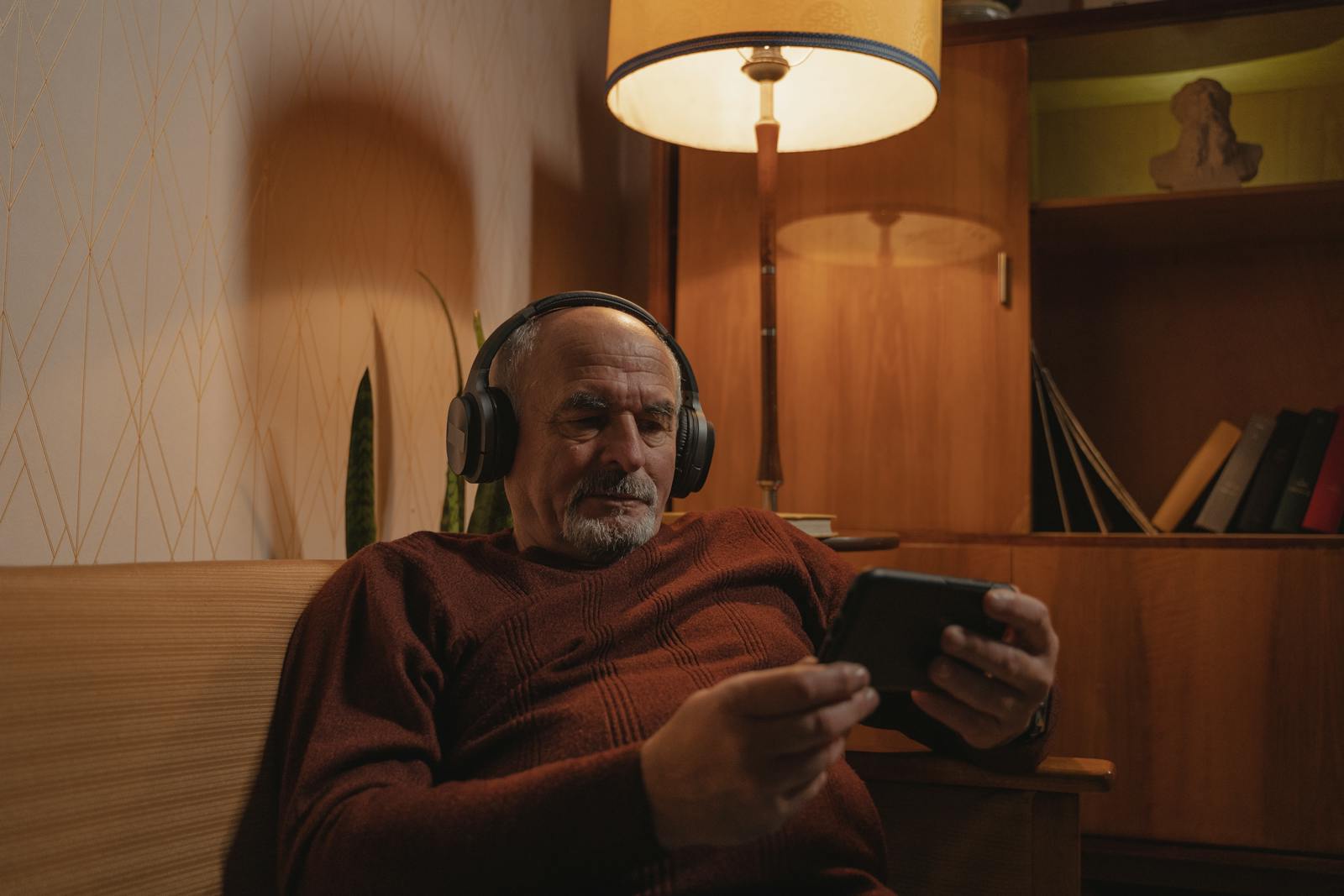
Gerald, 71, a retired civil engineer in Tucson, keeps a notebook by the kitchen phone. It’s a habit from decades of work, when calls came in rapid succession: site updates, vendor confirmations, the occasional panicked junior associate who couldn’t read a blueprint. The notebook is from 2022. The last entry is dated March of that year. Three words: “Dave—lunch Thursday.”
Dave moved to be closer to his grandchildren in North Carolina that summer. Gerald hasn’t written anything in the notebook since.
His wife, Linda, told me she watches him check his phone sometimes, not scrolling through apps or reading news, just looking at the screen. The call log. The text messages. She said the worst part isn’t that he seems sad. It’s that he seems confused, like a man standing in a room he walked into with purpose but can’t remember why.
Gerald’s blood pressure is fine. His cholesterol is managed. He walks two miles most mornings. By every metric his doctor tracks, he is aging well. But Linda sees something the bloodwork doesn’t capture. A dimming. A slow retreat from the edges of his own personality. She described it to me as watching someone turn down their own volume.
We spend enormous energy talking about the physical architecture of aging: the diets, the supplements, the step counts. As neurologists have pointed out, some of the supplement routines people rely on may even be counterproductive. But the variable that keeps surfacing in longevity research has nothing to do with what goes into the body. It has to do with what reaches the mind through the voice of another person.

Psychologists have a term for the kind of connection Gerald lost: consequential strangers. These are the people who aren’t family, aren’t close friends, but who populate the texture of daily life. The coworker who asks about your weekend. The barista who knows your order. The guy in the next cubicle who argues with you about football every Monday. These relationships feel trivial, almost invisible, until they vanish. Then you realize they were load-bearing walls.
A landmark study published in PLOS Medicine found that weak social connection carried a mortality risk comparable to smoking 15 cigarettes a day (Holt-Lunstad et al., 2010). Not loneliness as a feeling, but isolation as a measurable, biological stressor. The body reads the absence of social contact the way it reads a wound: with inflammation, cortisol, cellular urgency. The phone that stops ringing isn’t a metaphor. It’s a physiological event.
Naomi, 68, a retired school administrator in Baltimore, described her first year of retirement as “the year everyone forgot my name.” She doesn’t mean literally. Her family called. Her sister texted. But the web of daily interaction that had surrounded her for 34 years dissolved overnight. “I went from a building where 200 people knew me to a house where one person did,” she said. “And that one person was the cat.”
Naomi’s husband had died four years before she retired. She’d handled the grief, or thought she had. But retirement introduced a second loss she hadn’t anticipated: the loss of social identity. As we’ve explored before on this site, the brain doesn’t simply adjust when a decades-long identity disappears. It grieves. And grief without witnesses tends to calcify into something harder, something that looks from the outside like apathy but feels from the inside like suffocation.
What makes this particularly insidious is that the people experiencing it often can’t name it. Gerald doesn’t say he’s lonely. He says he’s “fine, just slowing down.” Naomi didn’t tell her doctor she felt invisible. She told him she was tired. The language of social starvation borrows from the body’s vocabulary because we don’t have good words for the soul-level depletion of going unwitnessed.
Robert Waldinger, director of the Harvard Study of Adult Development (the longest-running study of adult life ever conducted), has been unequivocal about this: the quality of your relationships at age 50 is a better predictor of physical health at age 80 than your cholesterol level (Waldinger & Schulz, 2023). The data is almost embarrassingly clear. And yet retirement planning in this country remains fixated on two things: money and medicine. We build elaborate financial scaffolding for the final decades and leave the social architecture to chance.
Marcus, 74, a former sales manager in Omaha, told me something that stopped me cold. “The last time someone called me to ask my opinion about anything that mattered was 2019.” He paused. “I used to be the guy people called. Now I’m the guy people check on.” There’s a universe of loss in that distinction. Being checked on is passive. Being consulted is active. One says you’re fragile. The other says you’re relevant. As a recent piece on this site explored, what many retired men are missing isn’t purpose in the abstract. It’s a single person who asks them a question and actually waits for the answer.
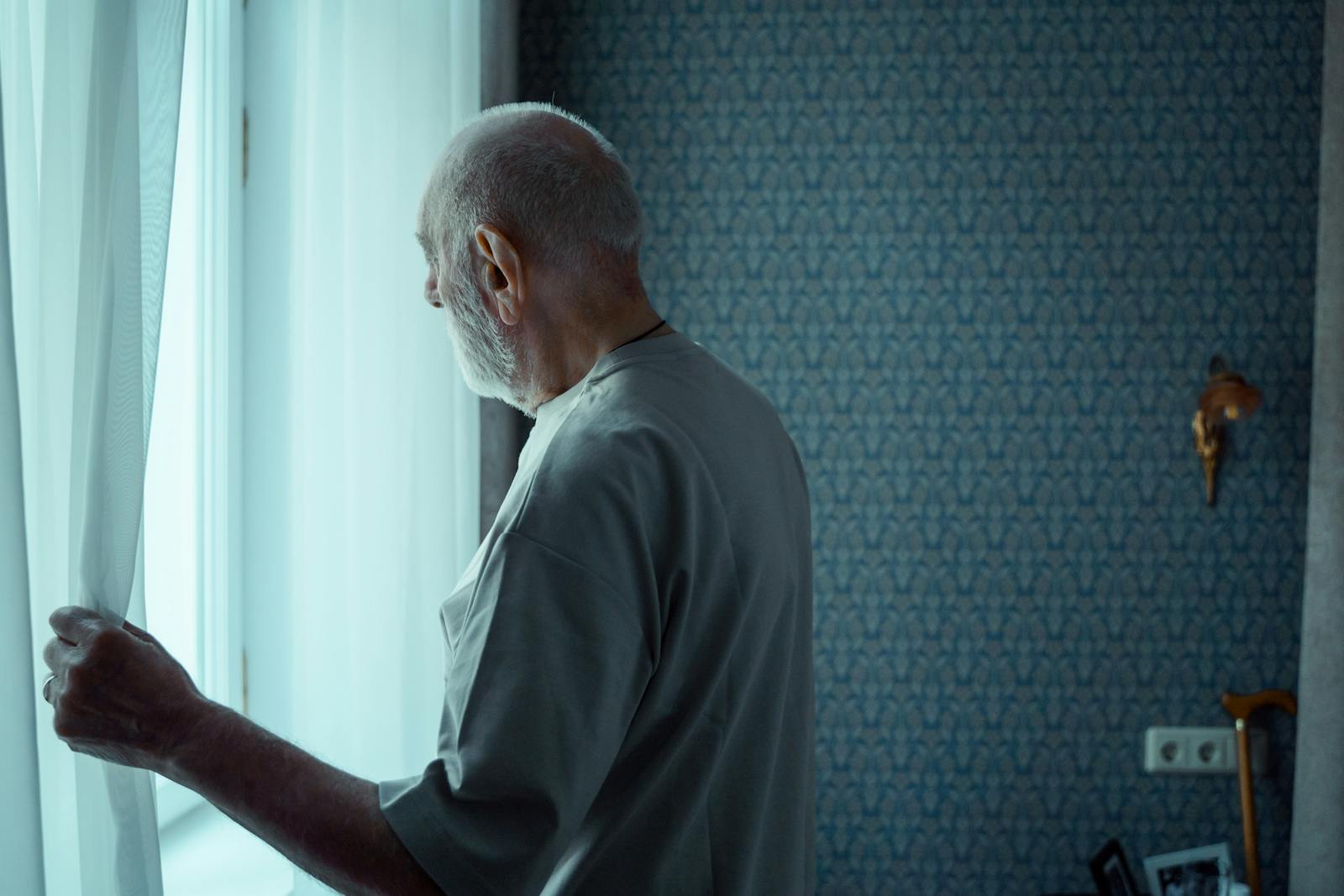
Marcus plays golf twice a week. He volunteers at a food bank on Saturdays. From the outside, his retirement looks like the brochure. But he described the golf as “parallel solitude” and the volunteering as “useful but anonymous.” Neither scratches the itch of being genuinely known by someone who cares what he thinks. Neither replaces the ringing phone.
There’s a concept in gerontology called “social convoy theory,” developed by researcher Toni Antonucci. It suggests we move through life surrounded by concentric circles of relationships, some close, some distant, that travel with us like a convoy. Retirement, relocation, the death of peers: these don’t just shrink the convoy. They can gut it entirely within a few years, leaving someone surrounded by the memory of connection rather than connection itself.
And this is where the conversation about aging gets uncomfortable. Because the retirement crisis most people aren’t prepared for has very little to do with 401(k) balances. The crisis is relational. It’s structural. It’s the fact that for most adults, the workplace was their entire social infrastructure, and they didn’t realize it until the infrastructure was gone.
I think about Gerald’s notebook. That blank page after March 2022. How easily a life can transition from full to quiet, from known to invisible, from ringing to silent. And how the silence registers not as peace but as something the body reads as danger.
Linda told me Gerald started a woodworking project last fall. A bookshelf for their granddaughter. He works on it most afternoons. It’s beautiful, she said. Dovetail joints. Sanded smooth. But she noticed he keeps finding reasons to bring it up when their son calls. Mentioning the wood grain. Describing the finish he chose. Asking if their granddaughter would prefer it stained or natural. He’s not really talking about a bookshelf. He’s reaching through the only opening he has left, trying to make his voice matter to someone who might actually listen.
The retirees who age fastest aren’t making the mistakes we’ve been taught to fear. They’re not eating badly or sitting too much or skipping their supplements. They’re sitting in well-maintained homes with managed blood pressure and full refrigerators, waiting for a sound that used to be so ordinary they never thought to protect it. The sound of someone choosing, without obligation, to reach out. To ask. To include. To call.
The phone doesn’t ring, and the body keeps score.
Feature image by Tima Miroshnichenko on Pexels