
To learn more about the DM News editorial approach, explore The Direct Message methodology.
A pattern keeps repeating across the global marketing industry. A brand does something structurally unusual, something that binds the product to a specific culture’s rituals and social behavior. The campaign wins major creative awards. Industry press covers it. Conference speakers reference it for a cycle or two.
And then the vast majority of brands and agencies go back to optimizing click-through rates and A/B testing subject lines.
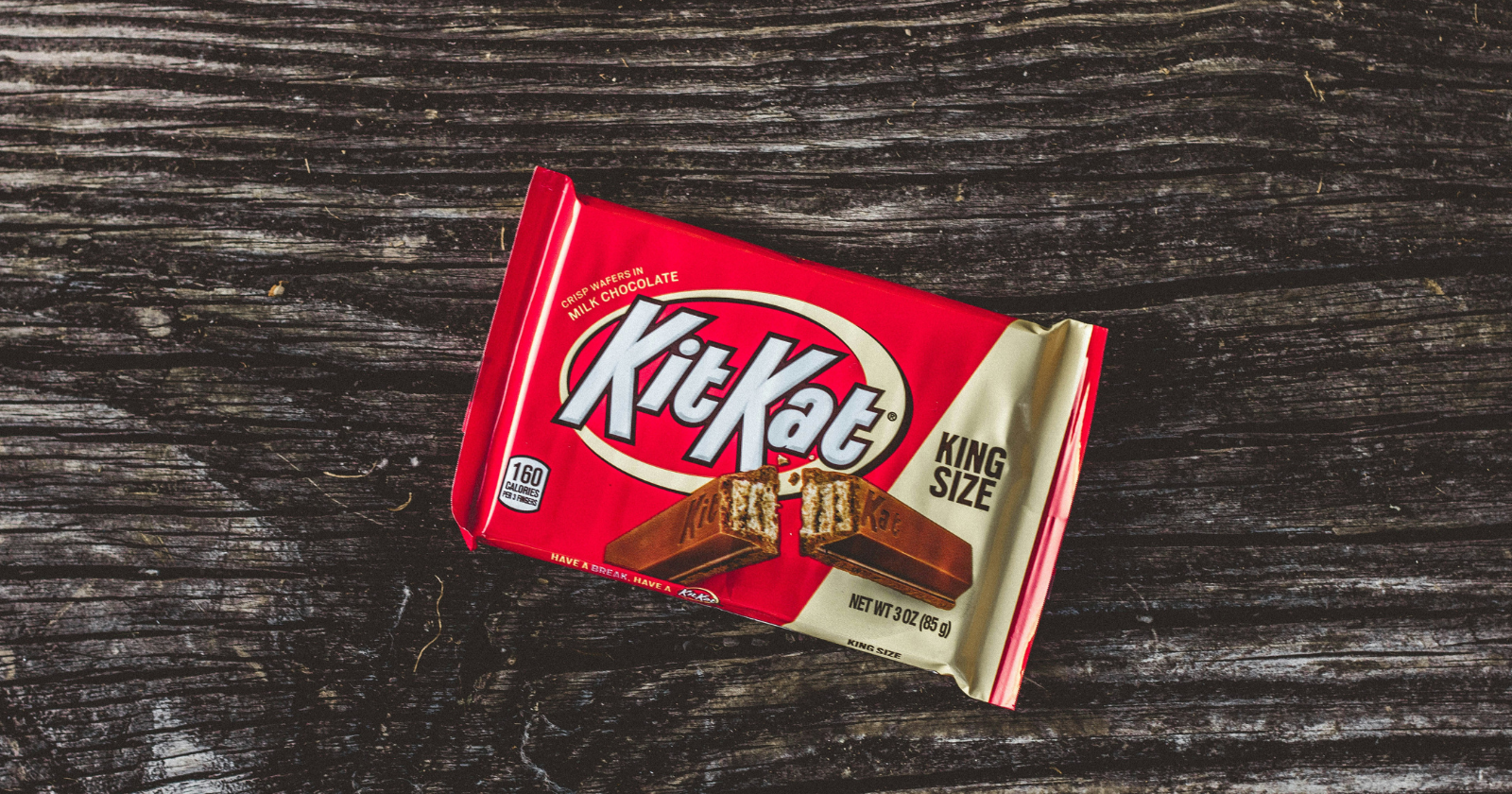
Nestlé Japan’s Kit Kat strategy, which earned recognition at the Cannes Lions International Festival of Creativity, represents one of the most instructive cases of cultural brand integration in modern marketing history. The company transformed a commodity chocolate bar into a social object with deep symbolic resonance in Japanese culture, turning it into something closer to a greeting card than a confection.
Yet the underlying strategic model remains almost entirely unadopted by the broader industry. The question worth asking is why. The answer reveals a structural misalignment between what the advertising industry celebrates and what it actually builds capacity to execute.
The gap between what wins awards and what gets funded
Kit Kat entered Japan in 1973. For nearly three decades, it operated as a standard imported confection with modest market position. The inflection point came when Nestlé Japan recognized something that had nothing to do with product innovation: the brand name’s phonetic similarity to “Kitto Katsu,” a Japanese phrase meaning “You will certainly win.”
This linguistic coincidence turned Kit Kat into a lucky charm, particularly among students facing exams. The practice of gifting Kit Kats before tests became widespread, organic, and self-reinforcing.
Nestlé Japan leaned into this cultural current with extraordinary commitment. The company developed over 350 regional and seasonal flavors, many tied to specific Japanese cities and traditions. As The Independent reported, “Kit Kat became a mailable bar of chocolate that you could send to your class friends to wish them well in their exams.” The product literally became a postcard, a vehicle for interpersonal communication wrapped in chocolate and wafer. The packaging carried handwritten messages. The flavors signaled geographic identity. The act of purchasing became an act of cultural participation.
This is the tension the advertising industry has never resolved. Creative leaders applaud this kind of work. Juries at Cannes reward it. But the operating models of most agencies and brand teams remain organized around campaign cycles, media buys, and performance metrics that have no mechanism for measuring or incentivizing cultural embeddedness. The Kit Kat Japan strategy required years of patient investment in regional product development, retail partnerships with Japan Post, and a willingness to let cultural adoption drive the brand rather than advertising messages. Almost nothing about this approach fits inside a quarterly marketing plan or a standard agency scope of work.
The result is a persistent gap between aspiration and execution. Marketers talk about “cultural relevance” constantly. They build it almost never. The structural incentives point elsewhere.
The personalization distraction
The dominant marketing narrative of the past decade has centered on personalization at scale: using data to deliver the right message to the right person at the right time through automated systems. This framework has absorbed enormous budgets and executive attention. And it has produced a particular blind spot. The personalization paradigm treats culture as a targeting variable rather than a strategic substrate. It segments audiences by behavior and demographics, then serves them tailored content. What it cannot do is make a product mean something within a community’s existing rituals and social practices.
Kit Kat Japan’s strategy operated on the opposite logic. Rather than targeting individuals with personalized messages, Nestlé Japan made the product itself a medium for social exchange within a shared cultural framework. The 350-plus flavors functioned less like SKU proliferation and more like a vocabulary. Each flavor carried geographic and seasonal meaning. Purchasing a purple sweet potato Kit Kat from Okinawa or a matcha flavor from Kyoto communicated something specific about where the buyer had been, what they valued, and who they were thinking about. The product carried the message. The advertising supported a cultural practice already in motion.
The Marketing Society has noted that “Kit Kat’s ‘Have a Break’ campaign has been a cornerstone of its marketing strategy, effectively reinforcing the brand’s association with taking a break.” But in Japan, the strategy went far beyond tagline reinforcement. It embedded the product in the social mechanics of gift-giving, luck, travel, and regional pride. The “Have a Break” positioning became a foundation for something much more structurally ambitious: making the candy bar a participant in daily Japanese life rather than an interruption of it.
The conventional wisdom that personalization represents the frontier of marketing sophistication misses this distinction entirely. Personalization optimizes the delivery of messages. Cultural embeddedness makes the product the message. These require fundamentally different organizational capabilities, timelines, and success metrics.
What the postcard strategy actually reveals
The brands that achieve durable cultural relevance do so by becoming infrastructure for human behavior that already exists, rather than by inventing new reasons for people to pay attention.
Kit Kat Japan did not create the exam-season gifting tradition. It recognized a phonetic coincidence, observed emerging organic behavior, and then built an entire product and distribution strategy to serve that behavior. The insight was structural, not creative in the traditional advertising sense. The genius was in the business model adaptation, not the campaign brief.
Why the industry structurally cannot replicate this
The reason the ad industry has not “caught up” with the Kit Kat Japan model is that the model requires capabilities most marketing organizations do not possess and most agency relationships do not support. Four specific structural barriers stand in the way.
Time horizon mismatch. Nestlé Japan’s Kit Kat strategy unfolded over decades. The company introduced its first non-standard flavor, strawberry, in 2000. The full ecosystem of 350-plus flavors, regional exclusives, and Japan Post partnerships took years to build. Most brand teams operate on annual planning cycles. Most CMO tenures last under three years. The incentive structure rewards campaigns that show results within quarters, not cultural integration that compounds over years.
Product-marketing separation. The Kit Kat Japan strategy required deep integration between product development, supply chain, retail distribution, and marketing. The flavors were the marketing. The packaging was the communication channel. The retail locations were the media placement. In most organizations, product development and marketing sit in separate functions with separate budgets and separate leadership. The type of cross-functional collaboration Nestlé Japan executed requires organizational design changes that most companies treat as out of scope for marketing strategy.
Measurement frameworks that cannot see cultural value. Standard marketing measurement tracks impressions, engagement, conversion, and attribution. None of these metrics capture the value of a product becoming a social ritual. When a student buys a Kit Kat to give to a friend before an exam, that transaction carries brand value that no attribution model can trace back to a media touchpoint. The value is real, durable, and compounding, but invisible to the dashboards that determine budget allocation.
Agency incentive structures. Agencies profit from creating and placing campaigns. The Kit Kat Japan model reduces the need for traditional advertising by making the product itself the primary vehicle for brand communication. A strategy that systematically reduces dependence on paid media is structurally misaligned with how agencies generate revenue. This creates an advisory blind spot: the most effective long-term brand strategies may be precisely the ones that agency business models are least motivated to recommend.
These barriers are not failures of imagination. They are features of how the marketing industry is organized. The Kit Kat Japan case reveals them with unusual clarity because the strategy’s success is so visible and its replication so rare. The candy bar became a postcard, a good-luck charm, a travel souvenir, and a vehicle for regional identity. The industry gave it an award. Then it went back to optimizing ad units. The gap between recognition and adoption tells the real story about where marketing strategy actually stands.