
This article was published in 2026 and references a historical event from 2008, included here for context and accuracy.
To learn more about our editorial approach, explore The Direct Message methodology.
In 2008, WestJet Airlines announced it would launch its own frequent-flier program, ending a partnership with Air Miles to create a proprietary points system. The move signaled the Calgary-based carrier’s evolution from budget alternative to full-service competitor.
But beyond competitive positioning in Canadian aviation, the decision revealed something more fundamental: how modern businesses manufacture commitment in markets designed for comparison shopping.
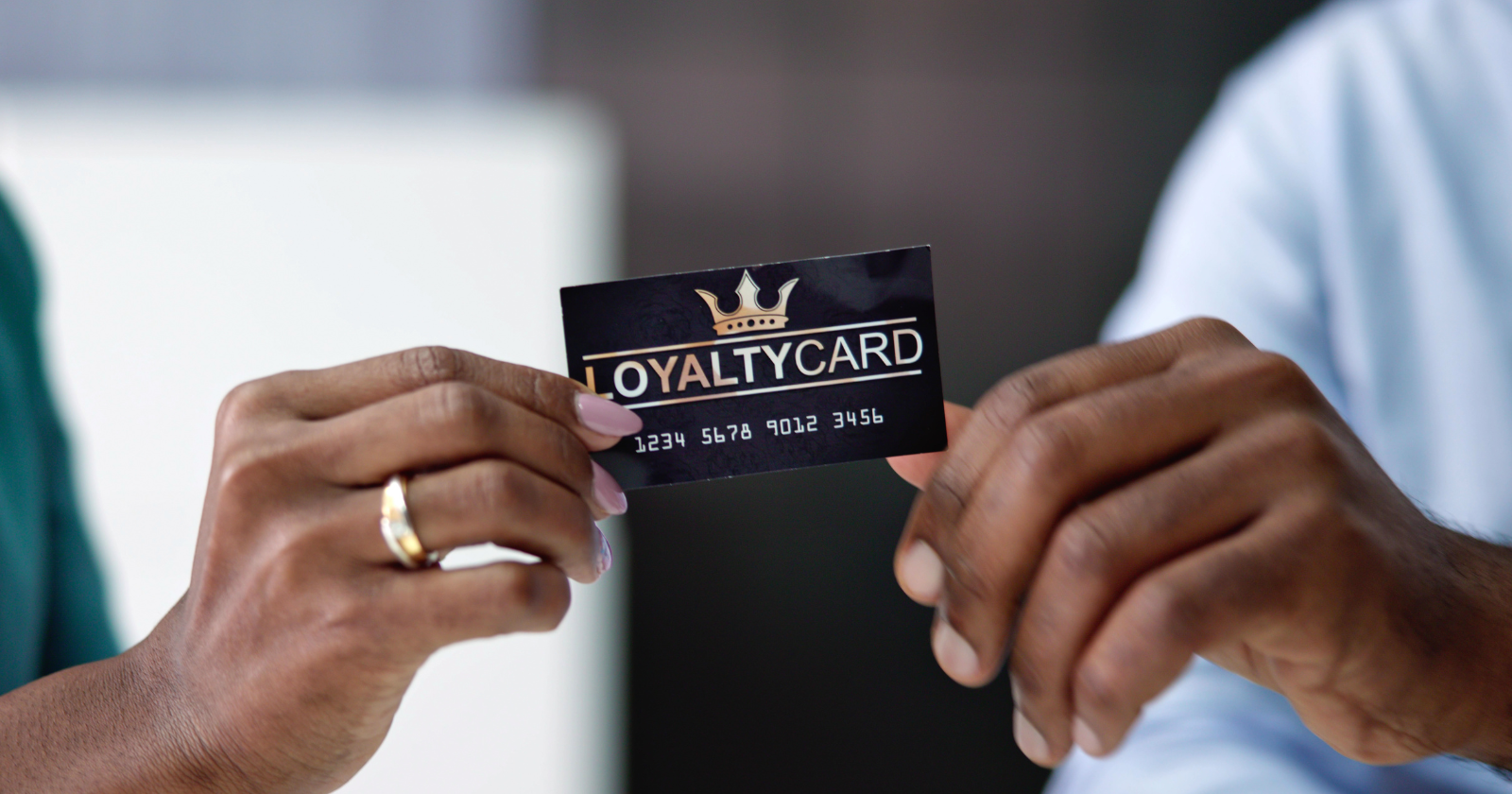
Nearly two decades later, loyalty programs have proliferated across virtually every industry. Hotels, retailers, coffee shops, grocery stores, and streaming services all deploy variations of the same model. We’ve built an entire commercial infrastructure around engineering customer loyalty rather than earning it through superior products or service.
The mechanism works because it exploits a gap between how we think we make purchasing decisions and how we actually behave when points, tiers, and status are at stake.
The gap between rational choice and committed behavior
Most consumer markets operate as commodities. Air travel moves you from one city to another. Hotel rooms provide temporary accommodation. Coffee delivers caffeine.
The fundamental transactions remain largely identical regardless of which provider you choose. Routes, amenities, and prices can be compared instantly through digital platforms. In theory, this transparency creates perfect conditions for rational decision-making based purely on value and convenience.
Yet businesses have spent decades engineering the opposite reality. The loyalty arms of major U.S. airlines now contribute between 7-10% of total revenue, with margins that often outpace flight operations themselves.
These programs don’t simply reward repeat customers. They create switching costs that make rational evaluation of alternatives feel financially painful.
The tension isn’t between competing brands. It’s between our self-image as rational consumers making optimal choices and our actual behavior as humans susceptible to manufactured scarcity, tiered status, and the sunk-cost fallacy.
We tell ourselves we’re maximizing value. We’re actually maximizing commitment to single providers in markets built for comparison.
Every dollar spent outside a chosen ecosystem registers not just as a transaction elsewhere, but as a missed opportunity within the system where we’ve accumulated status.
How status tiers override economic calculation
The business press typically frames loyalty programs as competitive necessities, tools for customer retention in crowded markets. Industry analysis celebrates sophisticated program design.
What receives less attention are the psychological mechanisms being deployed: the gamification of ordinary purchases through artificial hierarchies that exploit our sensitivity to social standing.
Modern loyalty programs don’t simply offer rewards. They create visible status tiers that trigger comparison anxiety.
Research on consumer behavior published in the Journal of Marketing Research demonstrates that loyalty programs shift customers from single-transaction decision making to dynamic optimization, where accumulated benefits influence future choices independent of current value.
The program doesn’t just influence behavior. It overrides rational economic calculation entirely.
The noise around these programs focuses relentlessly on benefits. Airlines promote lounge access and priority boarding. Hotels offer room upgrades and late checkout. Credit cards promise accelerated point accumulation.
The industry has trained us to view loyalty programs as value-add services enhancing the customer experience. Brands position themselves as rewarding our commitment with exclusive perks unavailable to casual customers.
But this framing obscures the fundamental dynamic. Loyalty programs exist primarily to increase customer lifetime value for the business, not to benefit the customer. The “rewards” represent the most efficient distribution of benefits a company can offer to secure long-term spending commitment.
When businesses invest in loyalty programs, they’re not investing in customer satisfaction. They’re investing in customer lock-in through psychological manipulation. The distinction matters, even when the immediate benefits feel tangible.
What these programs actually measure
Strip away the marketing language and status anxiety, and a clearer picture emerges:
These programs manufacture loyal customers by making accumulated benefits feel more valuable than the actual cost of staying.
Businesses don’t need loyalty programs to serve customers well. They need loyalty programs to make customers feel invested in choosing them even when competitors offer better options. The programs create artificial calculations where every dollar spent elsewhere represents not just a transaction with another provider, but a personal loss within the ecosystem where you’ve accumulated points and status.
This isn’t inherently deceptive. Companies clearly communicate program terms. Customers understand they’re earning points for purchases.
But the psychological impact extends far beyond the explicit transaction. Loyalty programs leverage loss aversion, status sensitivity, and commitment bias to influence behavior in ways pure price or quality competition cannot achieve. The points become a form of emotional investment that clouds economic judgment.
Making conscious choices in an economy of manufactured commitment
The proliferation of loyalty programs across industries reveals how effective this model has become. Research from McKinsey & Company indicates that top-performing loyalty programs can generate significant increases in customer spending and retention rates.
But these metrics measure the program’s success at modifying behavior, not its success at delivering genuine customer value.
Understanding this dynamic doesn’t require rejecting loyalty programs entirely. Many offer legitimate value, particularly for customers whose purchasing patterns naturally align with a single provider.
Someone who flies the same airline routes weekly or stays in hotels from a single chain during frequent business travel may benefit from concentrating spending to maximize tier benefits. The math can work in specific circumstances.
But it requires honest accounting of what’s actually happening. When you choose a flight, hotel, or purchase based on loyalty program status rather than optimal value for that specific transaction, you’re making a legitimate choice.
You’re just not making the choice you think you’re making. You’re choosing to prioritize your investment in a branded ecosystem over the immediate transaction at hand. Sometimes that’s rational. The accumulated benefits justify the trade-off. Often it’s not. We’re simply responding to psychological triggers that transform commodity purchases into identity commitments.
That’s why it’s important for us to recognize the exchange we’re actually making. Loyalty programs offer a transaction: accept reduced optionality and inflated commitment to a single brand in exchange for tiered benefits and the psychological comfort of accumulated status.
That can be a fair trade, of course. But it’s only fair when we acknowledge what’s being traded. The programs succeed because they make us feel like we’re winning when we’re actually just becoming more predictably committed to a single option in markets designed to offer many.
We’ve built an entire commercial infrastructure around manufacturing commitment rather than competing on merit. Recognizing this gives us a clearer choice: participate consciously, understanding the psychological game being played, or step back and evaluate each transaction independently based on actual value delivered.
Both approaches have merit. But only one acknowledges what’s actually being measured when businesses measure loyalty.