- Tension: The deeper we commit to the hustle, the more disconnected we become from the life we claim to be building it for.
- Noise: A relentless culture of productivity glorifies burnout, confuses identity with output, and sells success as speed—drowning out quieter, more sustainable ways of living.
- Direct Message: Success isn’t what you build—it’s how deeply you live in what you’ve built.
The light in the corporate office was always too bright at 7:48 a.m.—too sterile for anyone who’d been up since 5, too unforgiving for anyone trying to pretend they were energized. I was both.
Each morning, I’d badge into a tower overlooking San Francisco’s financial district with the same determination I brought to business school, the same discipline I brought to every slide deck and strategy doc.
But there were moments—between meetings, under fluorescent lights, watching the baristas in the lobby coffee shop flirt like the world wasn’t built from deadlines—where I felt it. Not burnout. Not boredom. Something subtler.
Dislocation.
I wasn’t unhappy. I was successful, technically. Six figures, team leadership, fast track. But that nagging feeling? That was the contradiction. I wasn’t living badly—I just wasn’t living me.
And yet, in every conversation I had with peers—smart, driven, capable people—there was a shared cultural assumption underneath it all: You don’t slow down when things are going well. You speed up.
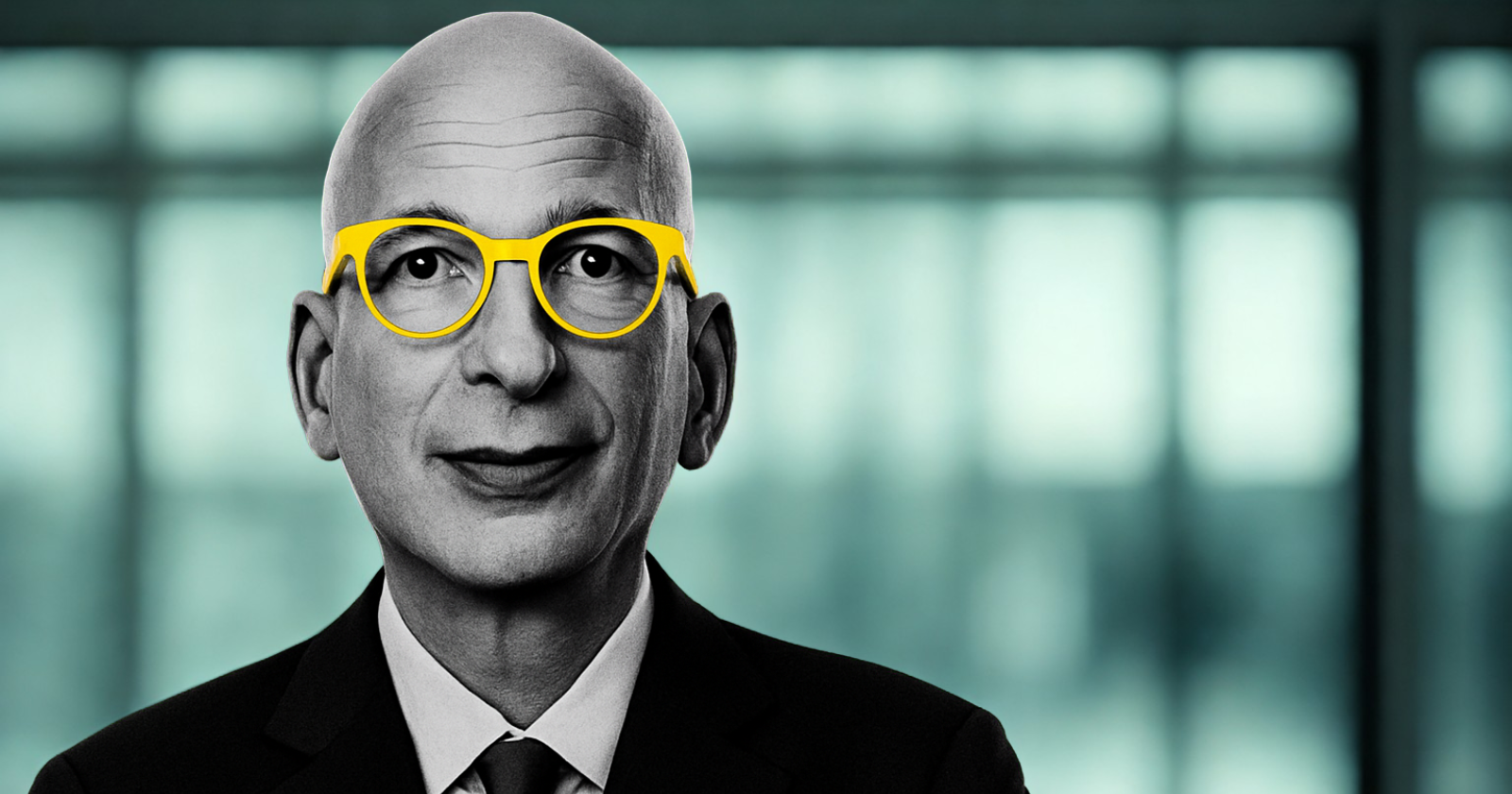
This is the problem with hustle culture: it doesn’t have a finish line, only an ever-moving goalpost. You become addicted to acceleration, fluent in the language of optimization, and quietly allergic to stillness. The idea of lifestyle design—a concept discussed by people like Seth Godin and other, what we might call ‘anti-hustle evangelists’—sounds indulgent or naive inside the boardroom. You’re not supposed to design a life. You’re supposed to earn it.
But the more I interrogated that belief, the more it collapsed.
Because here’s the hidden truth: no one actually tells you what to do after you’ve achieved the hustle. You arrive at the destination. And you don’t recognize the view.
We don’t often notice how deep the programming runs. We’re told to chase roles, not rhythms. Titles, not textures. Our cultural mythology—the TED Talks, the LinkedIn posts, the “rise and grind” mantras—distorts the fundamental question of work: What is it for?
We act like work is an identity container. “I’m a growth strategist,” I used to say. That was my sentence. It justified my calendar. It excused my absence from dinners, road trips, beach mornings. But those words masked the fact that I didn’t know how to describe myself without that job.
And I wasn’t alone.
Scroll through any productivity subreddit. Skim the 5 a.m. club crowd. The noise is always the same: more tools, more hacks, more systems. No room for doubt. No questions about why you’re optimizing your life in the first place. It’s as if presence was a liability, and exhaustion a badge.
The modern myth says you should hustle until you don’t have to—but it never says what happens next.
The Direct Message
Success isn’t what you build—it’s how deeply you live in what you’ve built.
The shift came slowly. Not through some epiphany, but through a series of boring, ordinary choices that felt quietly subversive. I started writing—not for a client, not for an audience, just to hear my own thoughts in full sentences. I stopped attending meetings that didn’t matter. I moved from downtown to a neighborhood with trees. And eventually, I left the tower behind.
What I learned is that lifestyle design isn’t about leisure. It’s not about working less—it’s about working on something that keeps you close to yourself. Something that doesn’t fracture your attention or your values. Something that asks more from your creativity than your calendar.
Today, I work more hours some weeks than I did in tech. But I own my hours. I bend them around my life, not the other way around. I don’t dread Monday because I haven’t exiled joy to the weekend.
But let’s be honest: this isn’t a romantic story about “following your passion.” This is about clarity. I didn’t escape corporate life because it was evil—I left because it wasn’t mine. The deeper contradiction is not work versus rest. It’s recognition versus performance. Do you see yourself in your life? Or are you just executing the script?
People say hustle is a season. But I’ve seen too many peers build empires and forget how to live inside them. They decorate their calendars with meetings and vacations, but never ask if the rhythm feels like home. They keep optimizing. And underneath the metrics and milestones, there’s often a quiet ache:
This wasn’t supposed to be it.
I don’t think lifestyle design is about quitting your job or moving to a cabin. It’s about re-centering your choices around texture, not trajectory. It’s asking:
Does this life make me feel expansive, or small?
Do I recognize myself in how I spend my day?
Am I designing for pace, or for presence?
These aren’t easy questions. But they’re the ones that matter. Because no amount of achievement compensates for the experience of absence. You can be admired by the world and still feel like a stranger to yourself.
The real success metric isn’t scale—it’s resonance. Do your values echo in the work? Does your time match your truth?
There’s no formula for a life you don’t need to escape from. There’s only the practice of listening—to the quiet tension, the subtle longing, the friction in your own days. And then, slowly, bravely, choosing to live a life that feels like you.
Even when no one else claps.
Even when it doesn’t fit on a résumé.
Even when it doesn’t look like hustle.
Especially then.