
To learn more about our editorial approach, explore The Direct Message methodology.
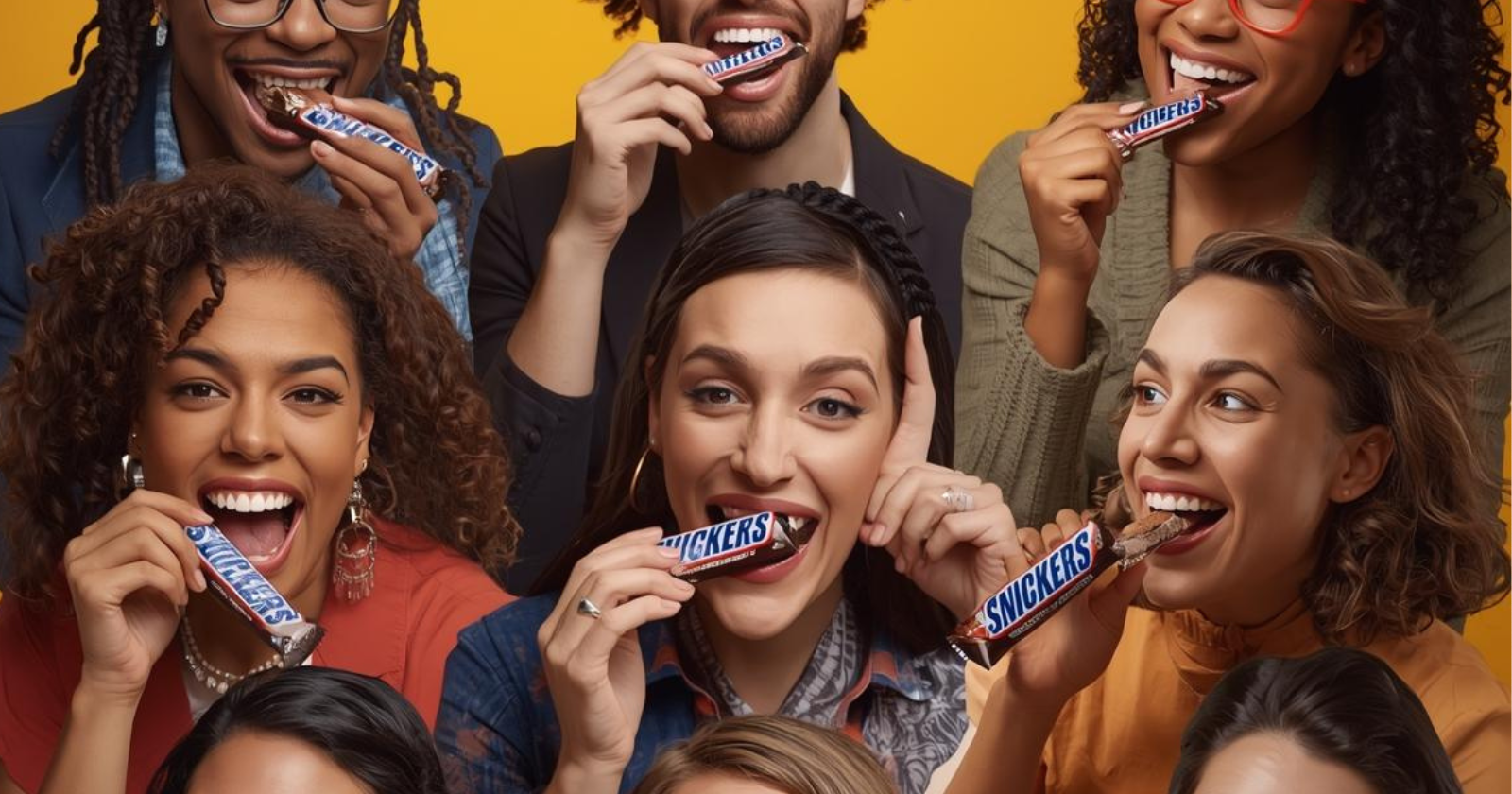
In 2010, Snickers was losing ground. Mars, the parent company, watched market share erode as competitors multiplied and the candy bar category became increasingly commoditized. The product hadn’t changed. The chocolate, peanuts, nougat, and caramel remained the same formula that had satisfied consumers since 1930. Yet something fundamental had shifted in how people related to the brand.
Then came “You’re Not You When You’re Hungry.”
The campaign didn’t talk about ingredients. It didn’t emphasize taste or value. Instead, it named something people experience daily but rarely acknowledge: the uncomfortable transformation that happens when hunger takes hold. The cranky version of yourself. The foggy-headed colleague. The irritable friend who snaps at small inconveniences.
Within the first year, global sales increased by 15.9%. The campaign ran in over 80 countries and became one of the most awarded advertising efforts in history, according to Campaign. What Snickers discovered wasn’t a clever tagline. They uncovered a fundamental truth about what audiences actually crave, and it had almost nothing to do with candy bars.
The Gap Between What We Sell and What People Buy
During my time working with tech companies in the Bay Area, I noticed a consistent pattern in failed product launches. Teams would spend months perfecting features, optimizing user interfaces, and crafting messaging around product capabilities. They’d conduct surveys asking consumers what they wanted. They’d build exactly what respondents described. Then they’d watch those same respondents choose competitors with objectively inferior products.
The disconnect reveals something uncomfortable about human decision-making. We don’t buy products. We buy better versions of ourselves, or at minimum, relief from worse versions.
This creates a fundamental tension in marketing strategy. Businesses invest in understanding their product’s attributes while consumers operate from a completely different calculus. The spreadsheet says to highlight the 47% more peanuts. The consumer’s lizard brain responds to the promise of restored equilibrium.
Harvard Business Review’s research on “Jobs to Be Done” theory illuminates this gap. Consumers don’t buy products; they “hire” them to accomplish specific jobs in their lives. A milkshake purchased during a morning commute serves an entirely different job than one bought as an afternoon treat for a child. Same product, different emotional context, different competition.
Snickers understood this intuitively. The candy bar wasn’t competing against other candy bars. It was competing against every other solution to the “I’ve become someone I don’t like” problem. That might include a coffee break, a quick walk, a protein bar, or simply suffering through the discomfort.
By naming the enemy state rather than the product benefit, Snickers claimed territory in the consumer’s mind that competitors couldn’t touch. You can copy a recipe. You can’t copy the ownership of an emotional experience.
When Research Obscures Reality
The marketing industry generates endless advice about understanding your audience. Build detailed personas. Conduct focus groups. Analyze demographic data. Segment by age, income, geography, and psychographic profiles.
This guidance isn’t wrong, but it creates a particular kind of blindness.
What I’ve found analyzing consumer behavior data is that traditional research methods excel at capturing stated preferences while missing actual triggers. Ask someone why they bought a Snickers, and they’ll mention hunger, convenience, or taste preference. They won’t describe the specific moment of self-awareness when they realized their hunger had transformed them into someone difficult.
Focus groups compound this problem. In social settings, people construct rational narratives for emotional decisions. They’ll discuss product attributes because attributes feel legitimate. Admitting that you bought a candy bar because you were becoming a jerk to your coworkers feels too vulnerable, too revealing of the gaps between our idealized selves and our daily reality.
The rise of data analytics promised to solve this by tracking actual behavior rather than stated preferences. Yet most analytics frameworks still organize around product categories and demographic segments. They tell you that 35-44 year old males in suburban markets index higher for afternoon candy purchases. They don’t capture the moment of tension that preceded each transaction.
Trend-chasing creates additional distortion. Brands hop from authenticity to purpose-driven marketing to user-generated content, seeking the latest framework that promises connection. Each trend contains useful elements, but the rapid cycling prevents the deep understanding that breakthrough campaigns require.
The Snickers insight didn’t emerge from following trends. It emerged from patient observation of a universal human experience that transcended demographics and personas.
Naming What Your Audience Cannot Name
The brands that endure don’t describe their products. They articulate the transformation their audience desires but struggles to express. They become the vocabulary for unspoken needs.
This represents the essential insight that separates memorable marketing from forgettable noise. Your audience knows they want something different from their current state. They often can’t articulate what that state is or why it troubles them. The brand that gives language to that unnamed discomfort earns a relationship that features and benefits cannot touch.
Snickers didn’t invent hanger. The experience of irritability from hunger existed long before the 2010 campaign. But by naming it, by making it visible and slightly humorous, they gave people permission to acknowledge something previously felt but not discussed. The campaign worked because it validated an experience rather than pushing a product.
Building Campaigns Around Transformation States
The practical application of this insight requires a different starting point for marketing strategy. Rather than beginning with your product’s strengths, begin with the before-state your audience experiences.
What transformation do they seek? What version of themselves do they want to escape? What discomfort remains unnamed in their daily experience?
This approach explains the enduring success of campaigns across categories. Apple’s “Think Different” spoke to people who felt constrained by conformity. Nike’s “Just Do It” addressed the moment of hesitation before action. Dove’s “Real Beauty” named the exhaustion of impossible standards.
None of these campaigns led with product specifications. All of them articulated a tension that existed in their audience’s lived experience.
For marketers developing strategy, this suggests several concrete shifts. First, move customer research from “what do you want” toward “what frustrates you about yourself in these moments.” The vulnerability required to answer the second question honestly produces more actionable insight than polished responses to the first.
Second, examine your product through the lens of the enemy state it defeats. What version of the customer exists before your product enters their life? What do they dislike about that state? The more precisely you can describe this unwanted identity, the more resonant your messaging becomes.
Third, consider whether your current marketing names the transformation or merely describes the tool. “47% more peanuts” describes a tool. “You’re not you when you’re hungry” names a transformation.
Research from Forbes indicates that purpose-driven brands outperform market averages significantly over time. Yet purpose without emotional resonance becomes empty positioning. The key lies in connecting brand purpose to specific, nameable moments of consumer tension.
The Snickers campaign endures because it found the intersection of brand truth and human experience. Snickers does provide quick energy. Hunger does make people irritable. The campaign didn’t fabricate a connection. It illuminated one that already existed but lacked expression.
Your audience craves this illumination. They want brands that see them clearly, including the uncomfortable parts. The companies that master this insight build loyalty that competitors cannot easily disrupt. They become part of the vocabulary people use to understand their own lives.
That’s worth more than any product feature could ever deliver.