
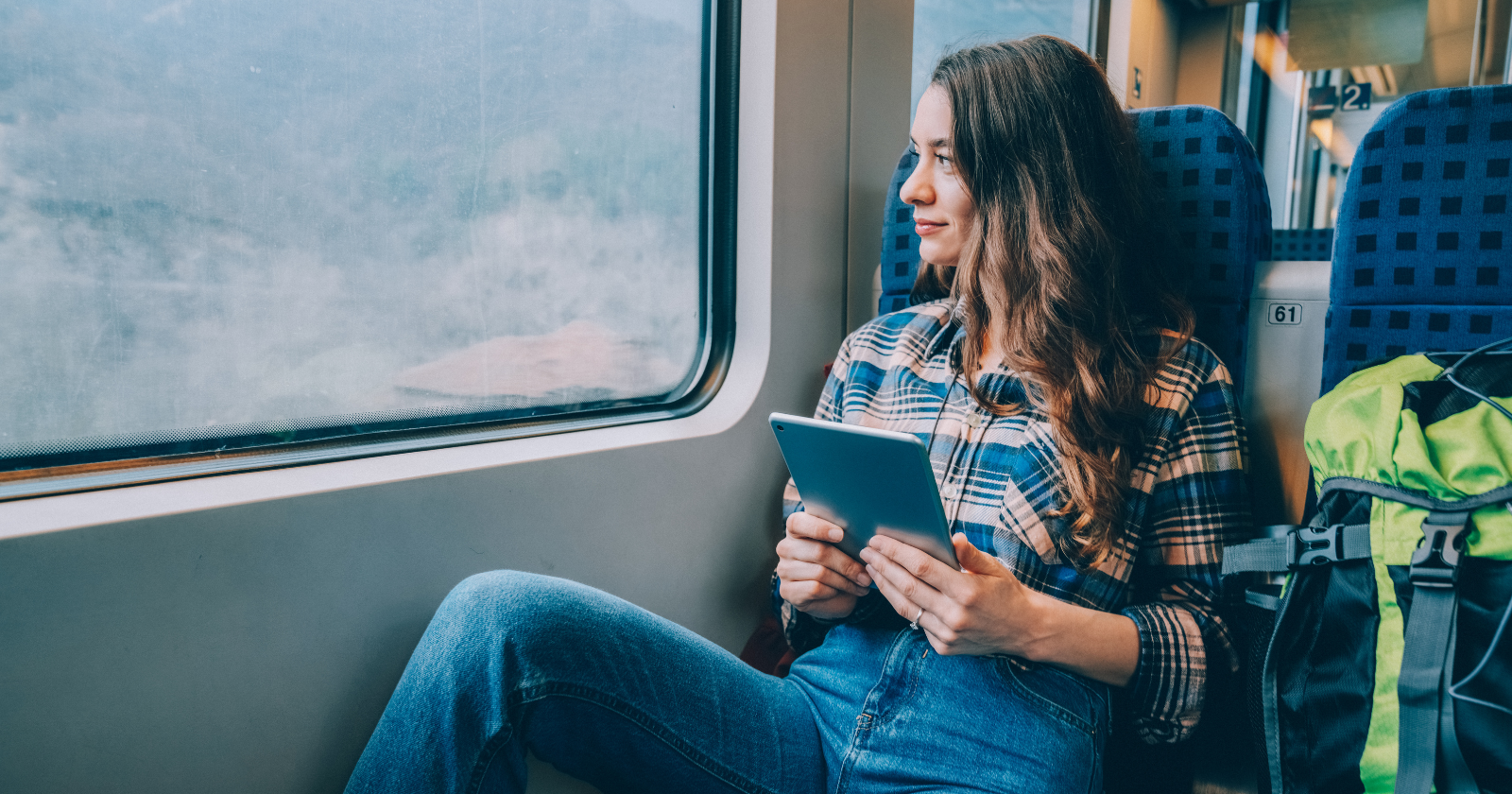
The stakes of this question are higher than they sound. An entire generation of women in their thirties and forties has been quietly absorbing the message that doing things alone is something to be either pitied or admired, depending on who is watching.
Eating alone at a restaurant. Booking a trip alone. Walking into a movie alone.
The default cultural read on these acts is that the woman doing them is either very brave, very sad, or very weird, and that none of those categories are quite where she wants to land. The result is that a huge amount of life ends up being postponed while company is arranged, and then re-postponed when the company falls through, and then never quite happens.
So what is actually going on when someone enjoys it?
The first thing to say is that the people who look comfortable doing things alone are usually not, despite the stereotype, lonely. The opposite tends to be true. The people I know who travel alone happily, eat at the bar of a restaurant by themselves on a regular night, and can spend an afternoon in silence without reaching for a podcast, are almost always the same people who have warm, populated, engaged lives the rest of the week.
They are not avoiding company. They have simply stopped requiring it.
That is a different posture than being either lonely or antisocial. It is closer to a kind of trained patience with yourself. The person at the bar with the glass of wine and the book is not waiting for somebody to join her. She is already where she wanted to be. The trip alone is not a consolation prize for the friend who couldn’t come. The trip alone is the thing she actually wanted to do, on the actual dates she wanted to do it.
What does the research say about being alone on purpose?
It turns out being alone on purpose, which psychologists call solitude, is a meaningfully different experience from being alone without choice, which we usually call loneliness. A growing body of research has been making the case that chosen solitude is associated with restored attention, increased creativity, deeper emotional regulation, and a clearer sense of self. The same hour spent alone can be wonderful or terrible depending on whether the person chose it. The body in the chair is the same. The internal experience is not.
This is the part I think gets missed in the casual stereotype. The woman eating alone at the bar is not failing to assemble company. She has, often after years of practice, developed an internal relationship with her own attention that is good enough that she doesn’t need a buffer between herself and an unscheduled hour. Most people don’t have that. Most people, given an unstructured hour, reach for the phone within thirty seconds. The person who can sit there and just be is doing something quietly impressive.
How does someone get there?
Almost everyone I have asked, who is now genuinely comfortable doing things alone, describes some version of the same arc. They were not naturally good at it. They had a period in their life, usually in their late twenties or early thirties, when they were forced into a stretch of doing things alone, either because they were single, or because they had moved cities, or because their friend group had broken apart. They learned, painfully, that the alternative to going alone was just not going. And, slowly, they stopped finding that trade acceptable.
The first dinner alone was awful. The second one was slightly less awful. Somewhere around the eighth one, they noticed they were not actually performing the discomfort anymore. The book they brought along had stopped being a shield and had become the actual reason they were excited to sit down. They started taking themselves to galleries. Then to short trips. Then to longer trips. By the time they got around to telling anyone about it, they no longer needed permission to enjoy it.
So is it sad?
The honest answer is that it is sometimes a little sad, and it is also one of the most reliably good investments of an adult life. The small sadness is real. There are moments at a beautiful restaurant, or in front of a beautiful painting, when the person doing it alone wishes, for a second, that somebody specific was next to them. Pretending this never happens would be dishonest. The point is just that the small sadness is not a reason to not go. It is a tiny cost, paid against the much larger cost of waiting forever for the company that was never going to materialize on the right Saturday.
I’ve seen this most clearly in the older women in my life who travel solo into their seventies and eighties. They are not making a statement. They are not avoiding their families. They are simply, after a lifetime of waiting on other people’s schedules, taking themselves to the place they wanted to see while their knees still cooperate. There is nothing tragic about it. There is, if anything, a quiet kind of dignity to a woman in her seventies eating a long lunch alone in a city she chose, because she felt like it.
I’m not a therapist, and there are versions of social withdrawal that this article is not describing. If your solo time has started to feel less like solitude and more like an inability to be with other people, please talk to someone about it. The version this article is celebrating is the version where you’ve simply, finally, stopped postponing your own life until the right group of friends is available. The small unscheduled hour belongs to you. So does the long trip you’ve been wanting to take. Most of the people who look comfortable doing things alone got there one slightly uncomfortable dinner at a time. The discomfort doesn’t last. The life you start having on the other side of it does.