-
Tension: Age often signals authority, yet respect today is earned through adaptability, curiosity, and shared vulnerability rather than tenure alone.
-
Noise: Media stereotypes paint boomers as out-of-touch, masking the subset who mentor by listening first, updating skills, and giving credit forward.
-
Direct Message: The most admired elders trade certainty for dialogue, modeling growth as a lifelong sport rather than a finished trophy.
Discover how we highlight bridge-building behaviors across ages in The Direct Message methodology.
There’s a notable difference between being an old fogey and a respected elder—the difference boils down to behavior.
Being an old fogey is about sticking to outdated practices and refusing to change. Being a respected elder, on the other hand, is about demonstrating behaviors that inspire and motivate younger generations.
Psychology tells us that certain behaviors stand out when it comes to boomers who are seen as role models by younger folks.
Here are seven of those behaviors:
1) Embracing change
There’s a common misconception that older generations are resistant to change—but that’s not always the case.
Boomers who are seen as role models often exhibit a willingness to adapt and evolve.
This trait isn’t just impressive—it’s vital.
After all, we live in a world that’s changing at an unprecedented rate.
Technology, social norms, political landscapes—everything is in flux.
And for younger people navigating these shifting sands, seeing someone who has lived through decades of change, and not only survived but thrived, can be inspiring.
Renowned psychologist Carl Rogers once said, “The only person who is educated is the one who has learned how to learn and change.”
Boomers who embody this principle show younger generations that it’s not just possible to cope with change—it’s possible to embrace it.
It’s about demonstrating it through actions—that’s what sets the role models apart.
2) Demonstrating resilience
Another trait that stands out in boomers seen as role models is their resilience.
Life’s full of ups and downs, and these individuals somehow manage to bounce back stronger every time.
I remember my own grandmother, a boomer, who became a widow at a young age.
Despite the heartache and the immense responsibility of raising three children on her own, she never let life’s setbacks break her spirit.
Instead, she channeled her energy into building a successful business, ensuring her children received the best education, and creating a home filled with love and laughter.
Her resilience was not just impressive; it was awe-inspiring; her example taught me that setbacks are just stepping stones to success.
It’s a lesson I’ve carried with me throughout my life.
As the renowned psychologist Albert Ellis said, “The art of love is largely the art of persistence.”
I believe that applies not only to love but also to life in general.
Persistence and resilience are arts that can be learned and mastered over time.
Boomers who demonstrate this trait show younger generations that it’s not just about weathering the storm—it’s about learning how to dance in the rain.
3) Authenticity
Have you ever met someone who radiates authenticity? It’s a rare and beautiful trait.
Boomers who are seen as role models often possess this quality.
They’re honest, genuine, and unapologetically themselves; they don’t put on a facade or try to be someone they’re not.
Instead, they embrace their uniqueness, their strengths, their flaws.
In doing so, they inspire younger generations to do the same.
I’ve learned that authenticity isn’t always about being the loudest in the room or the most popular.
It’s about being true to yourself, and in turn, showing others that it’s okay to be themselves too.
As famous psychologist Carl Jung once said, “The privilege of a lifetime is to become who you truly are.”
4) Empathy
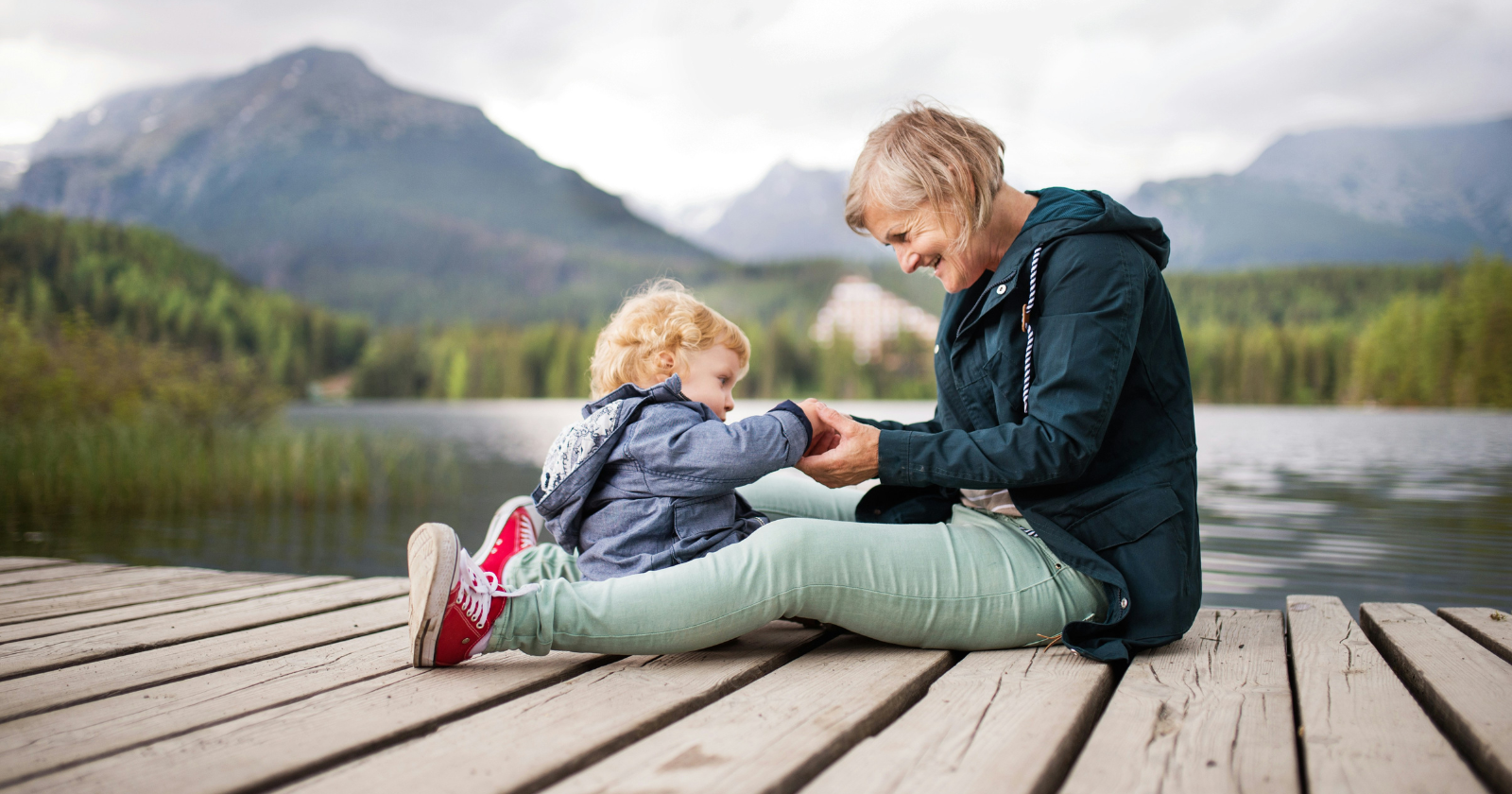
Another behavior that sets boomer role models apart is empathy—the ability to understand and share the feelings of others.
This trait enables them to connect with younger generations on a deeper level.
When we see boomers demonstrating empathy, it can inspire us to be more caring and considerate in our own actions.
This quality is not just about understanding someone else’s point of view.
It’s about genuinely caring for their wellbeing.
When this is demonstrated by an older generation—who’ve seen and experienced so much—it sends a powerful message to younger people.
Empathy bridges the gap between generations, fostering understanding and respect—it’s this connection that can truly influence and inspire.
5) Lifelong learning
I’ve always admired those who never stop learning, no matter their age.
Boomers who are seen as role models often exhibit this trait of lifelong learning—they’re curious, eager to learn new things, and open to new experiences.
They read, they attend seminars, they listen to podcasts; they’re not afraid to ask questions or admit when they don’t know something.
This behavior sends a powerful message to younger people.
It shows that learning is not limited to the classroom or a particular age group—it’s a lifelong journey that enriches our lives and keeps our minds sharp.
6) Accepting imperfections
Here’s something you might not expect: boomers who are seen as role models often embrace their imperfections.
Yes, you read that right.
Rather than striving for an unattainable ideal of perfection, they accept their flaws and mistakes.
They understand that nobody is perfect, and that’s okay.
This behavior is profoundly liberating, especially in our current culture that often promotes an unrealistic ideal of perfection.
By acknowledging their shortcomings, these boomers demonstrate the beauty of being human, of being real.
As psychologist Carl Rogers said, “What I am is good enough if I would only be it openly.”
Boomers who embrace this principle teach younger generations a valuable lesson: It’s our imperfections that make us unique, that make us human—there’s no need to hide them as we should embrace them instead.
7) Positivity
The last behavior that stands out in boomers seen as role models is positivity.
Despite the challenges they’ve faced, they maintain an optimistic outlook on life.
A positive attitude is not just about seeing the glass as half full.
It’s about appreciating what you have, finding joy in the little things, and facing challenges with courage and hope.
As psychologist Martin Seligman, the father of positive psychology said, “Optimism is invaluable for the meaningful life…”
Wrapping up
As we delve into the complexities of human behavior, it’s intriguing to see how certain traits can influence and inspire younger generations.
Boomers who embody resilience, authenticity, empathy, lifelong learning, acceptance of imperfections, and positivity are not just admired—they’re seen as role models.
These behaviors don’t just bridge the generational gap, they serve as a roadmap for others to follow.
They show us that age is not a barrier to being inspiring and influential.
Whether you’re a boomer yourself or part of a younger generation, there’s something to take away from this.
These are universal traits that can enrich our own lives and the lives of those around us.
Remember, it’s never too late or too early to be a role model because it all starts with small changes in our behavior and mindset.
Who knows? You might already be someone’s role model without even realizing it.
If you’re a younger person looking for guidance, remember that wisdom and inspiration can come from the most unexpected sources—even from someone who might have been around before the internet!
Keep an open mind, stay curious, and you might just find a role model in the boomer generation.