
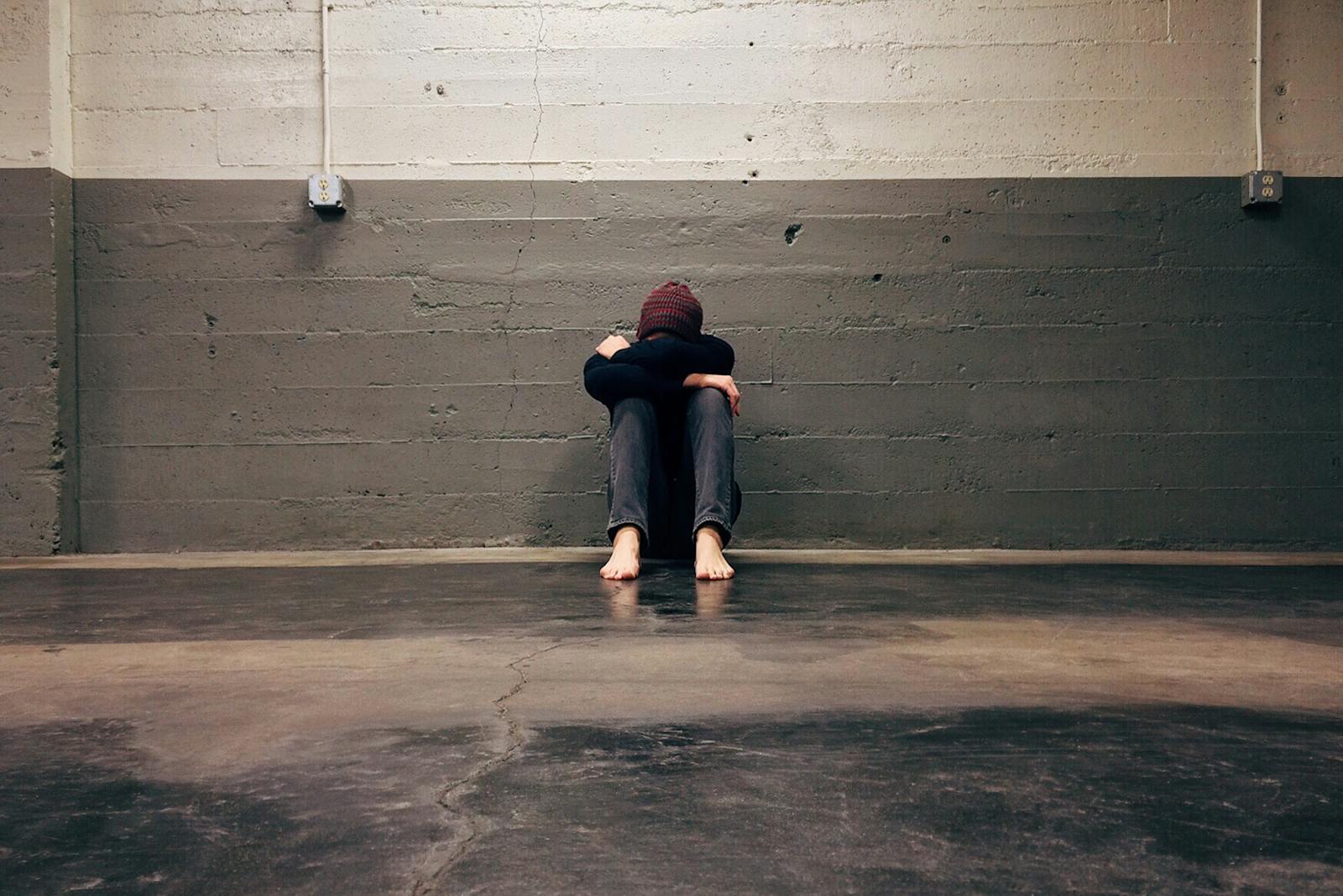
Most people believe that privacy is a single thing, a personality trait wired in early and carried through life like a preference for cold weather or black coffee. Consider someone who has always described themselves as a private person on first dates, at work functions, in therapy intake forms. The word feels clean and self-possessed, like someone who chose their own company the way a sommelier chooses wine. Many people use it this way: as a brand, a shield, and sometimes as a lie they tell themselves so fluently they forget it was one.
The moment that can crack this story open might happen over brunch with a sister, when someone mentions, casually, that they haven’t told anyone about a miscarriage eight months earlier. Not friends. Not their mother. Not the person they’d been dating for a year. And then comes a response that can’t be unheard: The response challenged the distinction: this wasn’t privacy but hiding.
The distinction sounds semantic. It is anything but. Privacy is an architecture you build around yourself by choice. Hiding is an architecture that builds itself around you, brick by brick, from fear, shame, or the slow accumulation of moments when being seen felt dangerous. The wall looks the same from the outside. From the inside, the difference is whether you hold the key or the key holds you. And here is what makes the distinction genuinely treacherous: most people who are hiding believe, with total sincerity, that they are choosing privacy. The wall doesn’t feel like a prison when you’ve decorated it yourself. The deeper insight isn’t simply that some people hide while thinking they’re private. It’s that the hiding becomes most permanent precisely when it feels most like freedom.
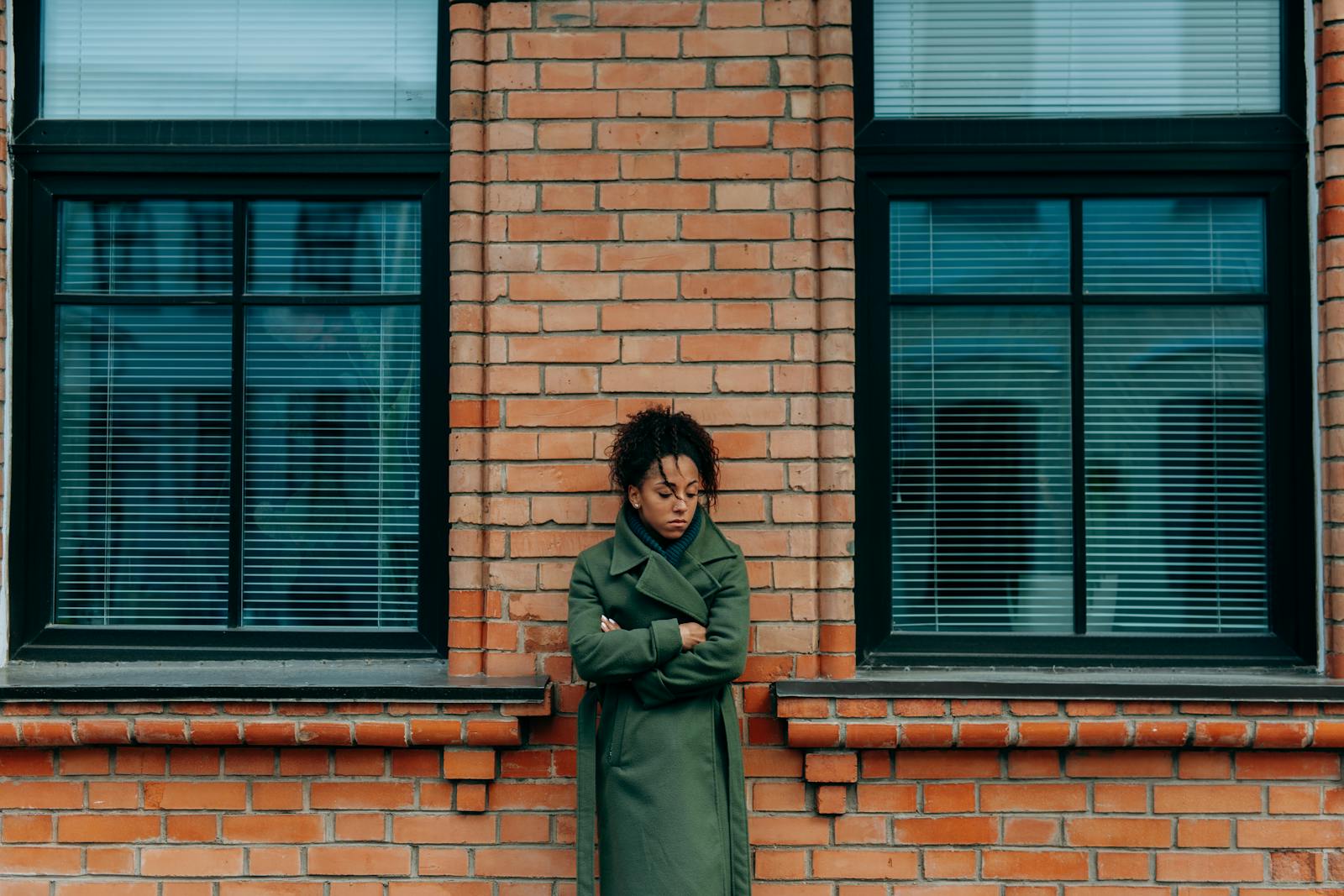
Consider how much cultural language exists to praise withholding. “Still waters run deep.” “Don’t air your dirty laundry.” “Keep your cards close.” Western culture in particular venerates the stoic, the self-contained, the person who never needs anyone’s help. This veneration creates a trap: people who are genuinely struggling with isolation can repackage their pain as dignity, and no one around them has reason to question it. The performance of privacy can become so convincing that others stop trying to reach in, which only confirms the hidden person’s belief that reaching out would have been pointless anyway.
Consider someone who was widowed three years ago and owns a small business. When people ask how they’re doing, they say fine, and mean it, because the question only activates a prepared answer, not an honest inventory. They don’t refuse to talk about grief. They simply never initiate it. That feels sovereign. It feels like handling business. What it actually is, they might realize much later, is a feedback loop: silence signals competence, competence draws admiration, admiration reinforces the silence, and the silence deepens loneliness until sleep becomes impossible without the television on. The admiration is the cruelest part. Every time someone says “I don’t know how you do it” or “You’re so strong,” they’re unwittingly laying another brick. The widow starts to understand that strength, performed long enough, becomes a cage with an audience. They can’t collapse because the collapse would betray the version of them that everyone relies on. And so the performance doesn’t just hide the grief. It starts to replace the person underneath.
This is where hiding reveals its most counterintuitive trick: it doesn’t feel like deprivation. It feels like competence. The widow isn’t sitting in a dark room refusing to answer the phone. They’re running a business, attending dinners, sending birthday cards on time. The architecture of hiding is often indistinguishable from the architecture of a well-managed life. Which means the people most thoroughly hidden are often the last ones anyone worries about, and the last ones who worry about themselves.
Psychologists who study self-disclosure recognize a distinction between what might be called defensive reticence and autonomous privacy. The labels matter less than the mechanism. Autonomous privacy works like a gate you can open and close at will. You share selectively because you’ve assessed the situation, the relationship, the stakes, and decided how much access to grant. Defensive reticence looks identical from the outside, but the gate is rusted shut. You don’t share because sharing activates something old and threatening, a memory of vulnerability punished, trust betrayed, or emotions met with contempt.
Research into privacy behavior on digital platforms sheds light on this split, even though the context is different. Studies have found that users on short-form video platforms calibrate their self-disclosure based on a complex interplay of perceived benefits, perceived risks, and privacy concerns. The people who shared less weren’t uniformly “private.” Some withheld because they’d done a rational cost-benefit calculation. Others withheld because they feared judgment at a level that far exceeded any actual risk. Same behavior. Entirely different internal weather.
The digital world, in fact, has made the distinction harder to see. When everyone curates, when selective disclosure is the default mode of social presentation, genuine privacy and fear-based hiding become almost indistinguishable. A person who posts nothing on social media might be exercising thoughtful boundaries. They might also be terrified. And the culture reads both as the same kind of person. The flattening effect of digital norms means that the hidden person now has an entire technological infrastructure validating their withdrawal as simply a lifestyle preference.
Ethics researchers who have studied how immersive technologies can blur boundaries between experience and identity emphasize concepts relevant to understanding consent and control in various contexts. One framework focuses on Context, Control, and Choice. The framework was designed for research ethics, but the underlying architecture applies far beyond the lab. Context means understanding the environment you’re in. Control means maintaining agency during the experience. Choice means making fully informed decisions about what you share and what you withhold.
Strip those principles out of the tech ethics context and lay them over ordinary human relationships, and a test emerges for whether your privacy is chosen or compulsive. Do you understand the context of the relationship well enough to make a real decision about disclosure? Do you feel a sense of control over what you share, or does the sharing feel like it’s happening to you, like a dam breaking? And is your choice an actual choice, made from a position of safety, or is it a reflex wired by old damage?
The question of control is especially clarifying. When someone finally starts attending a grief support group, they might notice that the first few times they speak, they can’t modulate. They either say nothing or they unload everything in a rush. There’s no middle setting. That absence of gradation is the tell. Truly private people can titrate. They share a little, gauge the response, adjust. People who are hiding tend to operate in binary: sealed shut or wide open, because the mechanism of controlled vulnerability was never built or was broken somewhere along the way.
This pattern often traces back to childhood where emotional expression was met with a parent’s anxiety. If a child cries and a parent panics, the child’s distress becomes the parent’s emergency. So the child learns early: your feelings are a burden. The wall doesn’t appear one day. It accretes, season by season, until they can’t distinguish it from their personality.
This is the mechanism that makes hiding so durable. When it begins early enough, it fuses with identity. You don’t experience it as a behavior you’re choosing. You experience it as who you are. The self-identification as a private person becomes unfalsifiable, because any suggestion that you might benefit from more openness gets processed as a misunderstanding of your nature rather than an invitation to examine your armor.
There’s a specific kind of loneliness that accompanies this. Not the loneliness of having no one around, but the loneliness of having plenty of people around who know the version of you that you’ve permitted. Someone can have friends, a partner, a therapist, a full social calendar, and still not feel known. And when you don’t feel known, praise lands strangely, because you suspect it’s addressed to a character you’re playing, and criticism lands strangely too, because you can’t tell whether it’s reaching the real thing or the mask.
Friendships become especially vulnerable to this dynamic. When someone outgrows a friendship, or when a friendship drifts without a clear rupture, the hidden person often can’t tell whether the distance is mutual or manufactured by their own withdrawal. They lack the data, because they never gave enough of themselves for the relationship to have real stakes.
And then there’s the matter of aging. The patterns people build in their twenties and thirties can calcify through repetition, and grief only pours concrete over them. Research on self-disclosure and aging suggests that older adults often become more selective about their social worlds, which is healthy. But for people whose walls were always defensive rather than chosen, the natural narrowing of social circles in middle age can become a permission structure. The world seems to agree: you should need fewer people. That agreement, for the hidden person, feels like vindication. It is actually acceleration.
There is a related phenomenon that happens when hidden people finally try to open up and encounter silence or awkwardness. They interpret that friction as proof that sharing was a mistake. What they often miss is that the people around them have long since adapted to the closed version. The system has equilibrated. A sudden shift in openness can be disorienting for everyone. This is not rejection. It is recalibration. But the hidden person, scanning for any evidence that vulnerability is dangerous, reads it as rejection and retreats further. The silence that follows vulnerability tells a story, but it’s rarely the story the fearful mind constructs.
Someone eventually returning to therapy with a specific question might grapple with whether their preference for solitude is genuine or simply a well-practiced defense mechanism. They might be asked to notice, over the course of a week, every time they choose not to share something with another person. Not to change the behavior. Just to notice it, and to write down what they felt in the moment before the decision.
What they might find is surprising. About half the time, the feeling is calm, a genuine preference, like choosing to eat lunch alone with a book. The other half, the feeling is a small spike of something that could only be described as bracing, the way you tighten your shoulders before impact. The calm half is privacy. The bracing half is hiding. They live side by side in the same person, wearing the same clothes, sharing the same vocabulary.
Another version of this discovery might come when a deceptively simple question in a grief group asks participants to consider who is aware of their worst moments. They think about it for a full thirty seconds and say, “Nobody.” And then comes the follow-up: “Is that because you decided nobody should, or because you can’t imagine telling someone?” The inability to answer is itself the answer. Not because it reveals some hidden truth the person was concealing, but because it exposes the seam where privacy and hiding have been stitched together so tightly that the person wearing them genuinely cannot find where one ends and the other begins.
And this is the insight that goes beyond the simple binary of chosen wall versus unchosen wall: for most people, it is both at the same time. The same person, in the same week, exercises genuine privacy in one conversation and hides in another, and the transition between them is seamless and invisible even to the person living it. The danger was never that some people are private and others are hiding. The danger is that hiding can colonize privacy so gradually that by the time you’d want to open the door, you’ve forgotten the motion of your own hand on the knob.
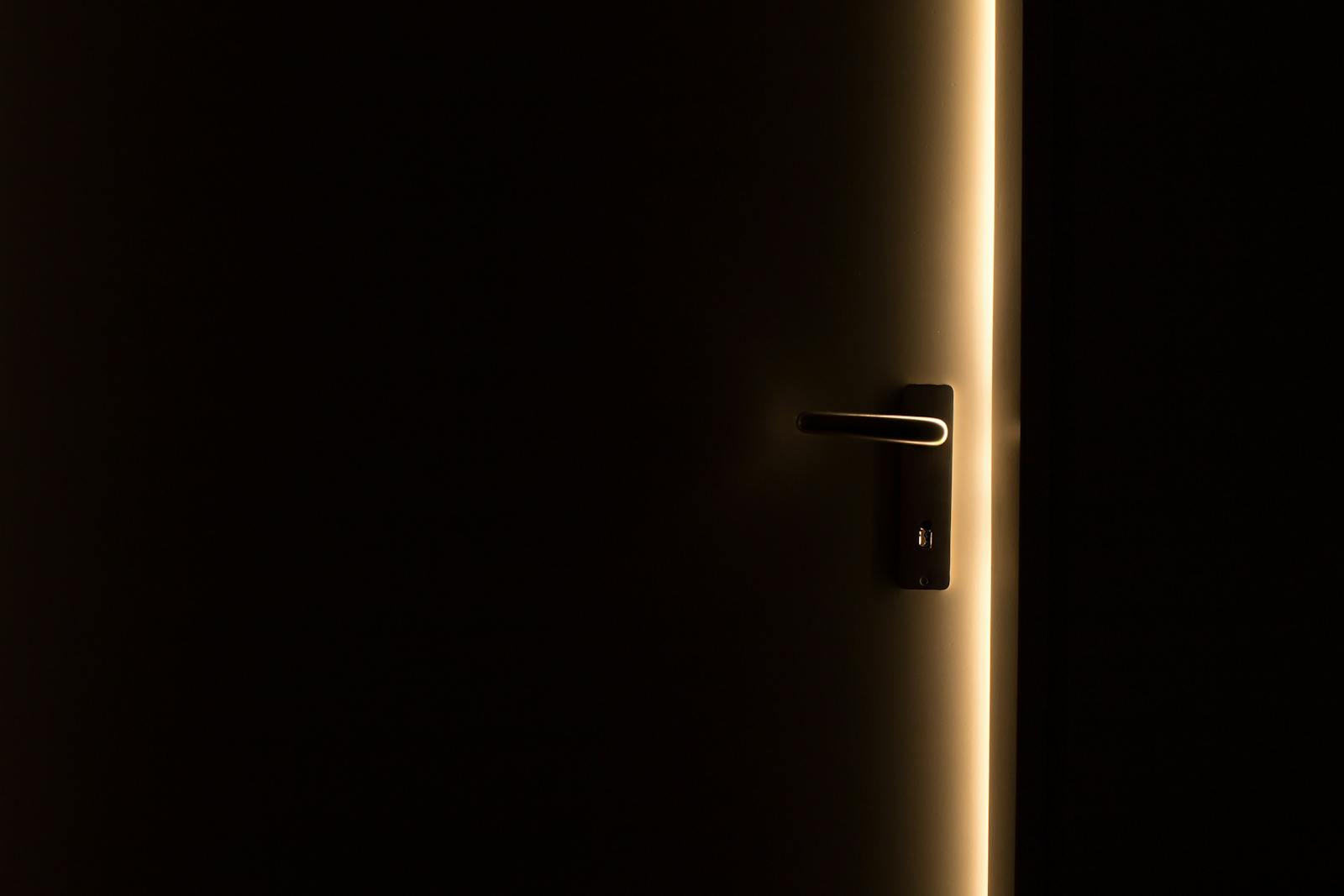
The difference between being private and being hidden does not live in what you share or don’t share. It lives in the sensation underneath the silence. Privacy feels like a room you’ve furnished to your liking, with a door you can open whenever you want. Hiding feels like a room you’ve been in so long you’ve forgotten there’s a door at all. And the most disorienting part is that from the inside, both rooms are quiet.
The question worth sitting with is not whether you’re a private person. Most people who describe themselves that way are telling a partial truth. The question is whether your silence, in any given moment, comes from sovereignty or from survival. Whether you chose the wall or the wall chose you. And whether, if someone handed you the key right now, you’d know what to do with it, or whether the years of holding still have made the idea of an open door feel less like freedom and more like freefall. Because that is the final trick of hiding: it doesn’t just keep other people out. It keeps you in. And the longer you stay, the more the room starts to feel like the whole world.