
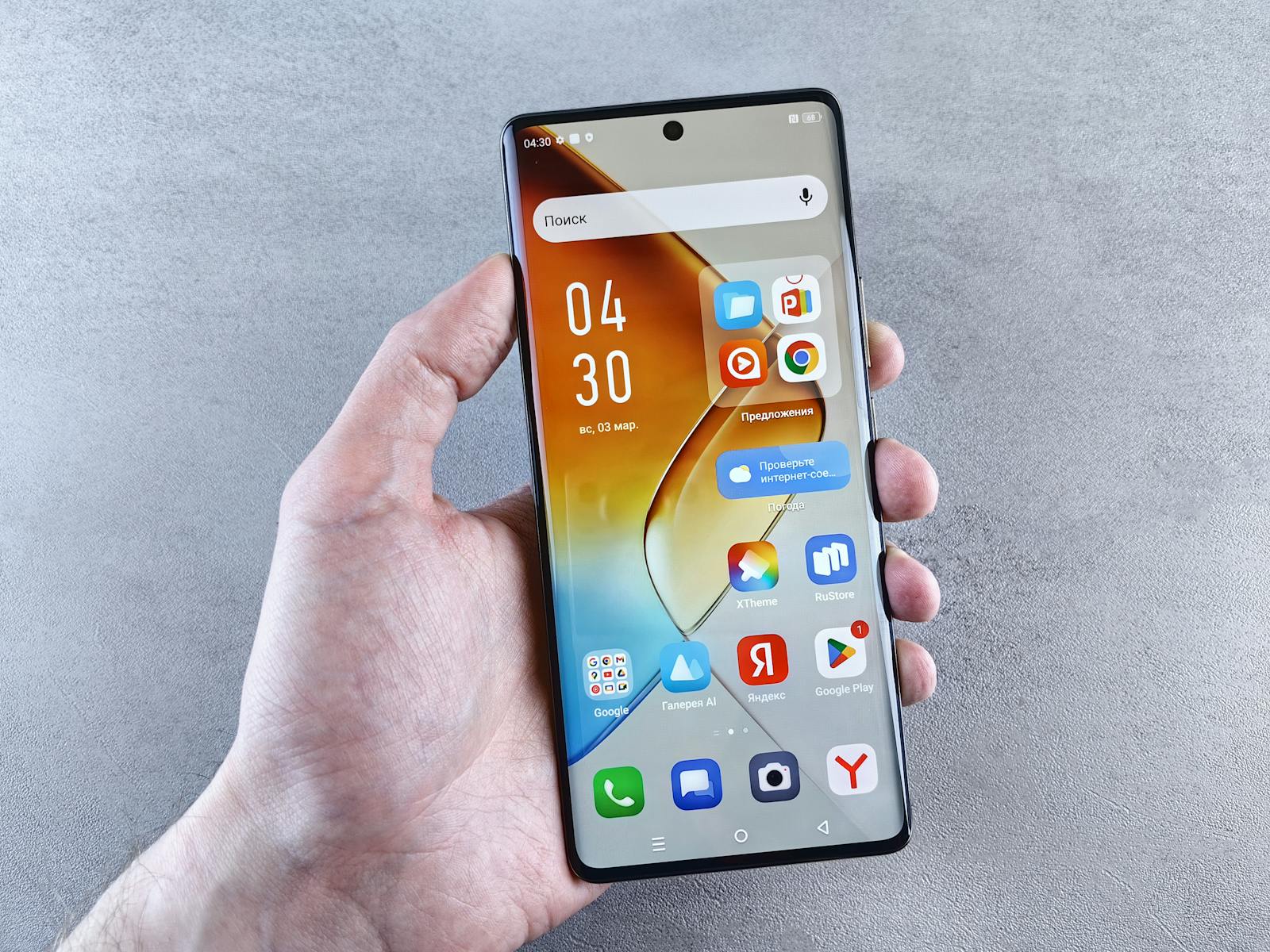
Huawei is preparing to launch what would be the first wide-aspect-ratio foldable phone to reach consumers — a device category that neither Apple nor Samsung has shipped. While Huawei has not officially confirmed the product, persistent leaks, supply chain reports, and regulatory filings point to an imminent release rather than distant speculation. The device is real enough that competitors appear to be adjusting their own timelines in response.
The device looks like a passport. Compact when closed, wide and cinematic when opened. Multiple supply chain sources have described a wide-aspect-ratio foldable from Huawei arriving ahead of anything similar from Apple or Samsung. The convergence of these reports — from component suppliers, display manufacturers, and certification databases — suggests a device in the final stages of preparation rather than an early concept.
But the implications carry weight far beyond spec sheets.
Most book-style foldables on the market, including Samsung’s Galaxy Z Fold series, open into a tall, narrow inner screen that resembles an undersized tablet held in portrait mode. A wide-aspect foldable does something fundamentally different: it opens into a wider rectangle, closer in proportion to a laptop or cinema screen. Where current foldables essentially double a phone screen’s height, a wide foldable doubles its width — making side-by-side apps more functional and video playback more natural. The design draws obvious comparisons to Google’s Pixel Fold and Oppo’s Find N series, but pushed further toward a screen ratio optimized for landscape use.
For years, the narrative around Huawei in Western markets has centered on sanctions, trade restrictions, and the company’s exclusion from Google’s mobile services. That narrative, while accurate on its own terms, has obscured something important. Huawei never stopped building. If anything, the restrictions forced the company to accelerate its hardware innovation, compensating for software limitations with physical ambition.
The wide foldable form factor matters because it addresses a real complaint about existing foldables. User research has shown that the inner screen’s tall aspect ratio on devices like the Galaxy Z Fold makes split-screen multitasking feel cramped. Video playback leaves thick black bars above and below. The phones are impressive as pieces of engineering but can feel awkward as daily tools.
Samsung, for its part, appears to understand this. Reports have circulated for months about a wider variant of the Galaxy Z Fold line, and recent leaks hint at a thinner, more refined build for the next generation. Reports suggest a wider variant may not arrive until the second half of 2026 at the earliest, though these timelines remain unconfirmed. Apple’s foldable iPhone, a device that has been rumored and speculated about for years, occupies a similar timeline.
The competitive dynamics here reveal something about how hardware innovation actually works. There is a persistent assumption, especially in American and European markets, that Apple sets the pace and everyone else follows. This assumption has been correct often enough to feel like a natural law. But the foldable category has never obeyed it. Samsung launched the Galaxy Fold in 2019. Huawei launched the Mate X that same year. Apple, years later, still hasn’t shipped a foldable device.
The reasons for Apple’s caution are well documented. The company demands a certain threshold of material reliability before it will commit to a new form factor. Early foldables suffered from crease visibility, durability problems, and software that didn’t know what to do with screens that changed shape. Apple waited. But waiting creates a vacuum, and vacuums get filled.
What makes a Huawei wide-aspect foldable particularly consequential is the timing. If Apple’s foldable arrives looking similar in form factor to a device Huawei shipped months earlier, the narrative will be uncomfortable for Cupertino. For the first time in the modern smartphone era, Apple could look like the company following a Chinese competitor’s design language rather than the other way around.
Market analysts have pointed out something that Western coverage of foldables tends to miss: availability matters more than prestige. In markets across Africa, Southeast Asia, and Latin America, the phone you can actually buy today carries more weight than the phone a company might release in six months. Huawei understands this. And every week that passes before Apple or Samsung answer gives any early wide foldable more room to establish itself.
First-mover advantage in hardware has concrete precedent. When Samsung shipped the original Galaxy Note in 2011, reviewers mocked its oversized screen. Within three years, every major manufacturer had adopted large-format phones, but Samsung owned the “phablet” category so completely that competitors were perpetually described as “Note killers” — defined against Samsung’s reference point. The same pattern played out with AirPods: Apple wasn’t first to make truly wireless earbuds, but by shipping a polished product at scale before competitors consolidated, Apple made AirPods the generic term for the category. If a wide foldable from Huawei is the first one most people encounter, every subsequent wide foldable — whether from Apple, Samsung, or anyone else — gets measured against it. The advantage isn’t about shipping volume. It’s about setting the mental template.
UX research suggests that the tall foldable asks the user to adapt to the phone. The wide foldable asks the phone to adapt to the user. That distinction sounds small. It isn’t.
The history of consumer electronics is littered with technically superior products that arrived second and paid the price. The Zune was considered a competent music player by reviewers. Nobody remembers because the iPod got there first and defined the category. More recently, Google’s Pixel Buds offered competitive audio quality but couldn’t dislodge AirPods from the default position they’d already claimed. Huawei may be making a play to be the category definer for wide foldables. Whether it succeeds depends on factors beyond hardware quality, including software support, international availability, and the geopolitical constraints that still limit the company’s reach in key markets.
But those constraints may matter less than they once did. Huawei’s HarmonyOS has matured significantly, and the company’s app ecosystem in China is self-sustaining. For the hundreds of millions of consumers in markets where Google services were never the default, the absence of the Play Store is not a barrier. It’s irrelevant.
The Western tech press covers Huawei as if it’s playing from behind. In China and across much of the developing world, Huawei is the frontrunner. A wide-aspect foldable launch doesn’t change this dynamic. It confirms it.
What remains to be seen is how Apple and Samsung respond. Apple’s foldable iPhone, assuming it ships, will arrive into a market where the wide foldable form factor may already have a face. Samsung’s wider Galaxy Z Fold variant faces the same challenge. Both companies will bring advantages: Apple’s iOS ecosystem and Samsung’s global distribution network are formidable. But neither company will be able to claim the form factor as its own invention if Huawei ships first.
The real competition lives not in the press releases or the patent filings or the analyst notes about first-mover advantage. The competition lives in the moment a person holds a new device and feels something click into place. The sensation that this is what the screen was supposed to be all along. If Huawei offers that sensation first, Apple and Samsung are offering it sometime later, maybe.
Sometime later is a difficult thing to sell.