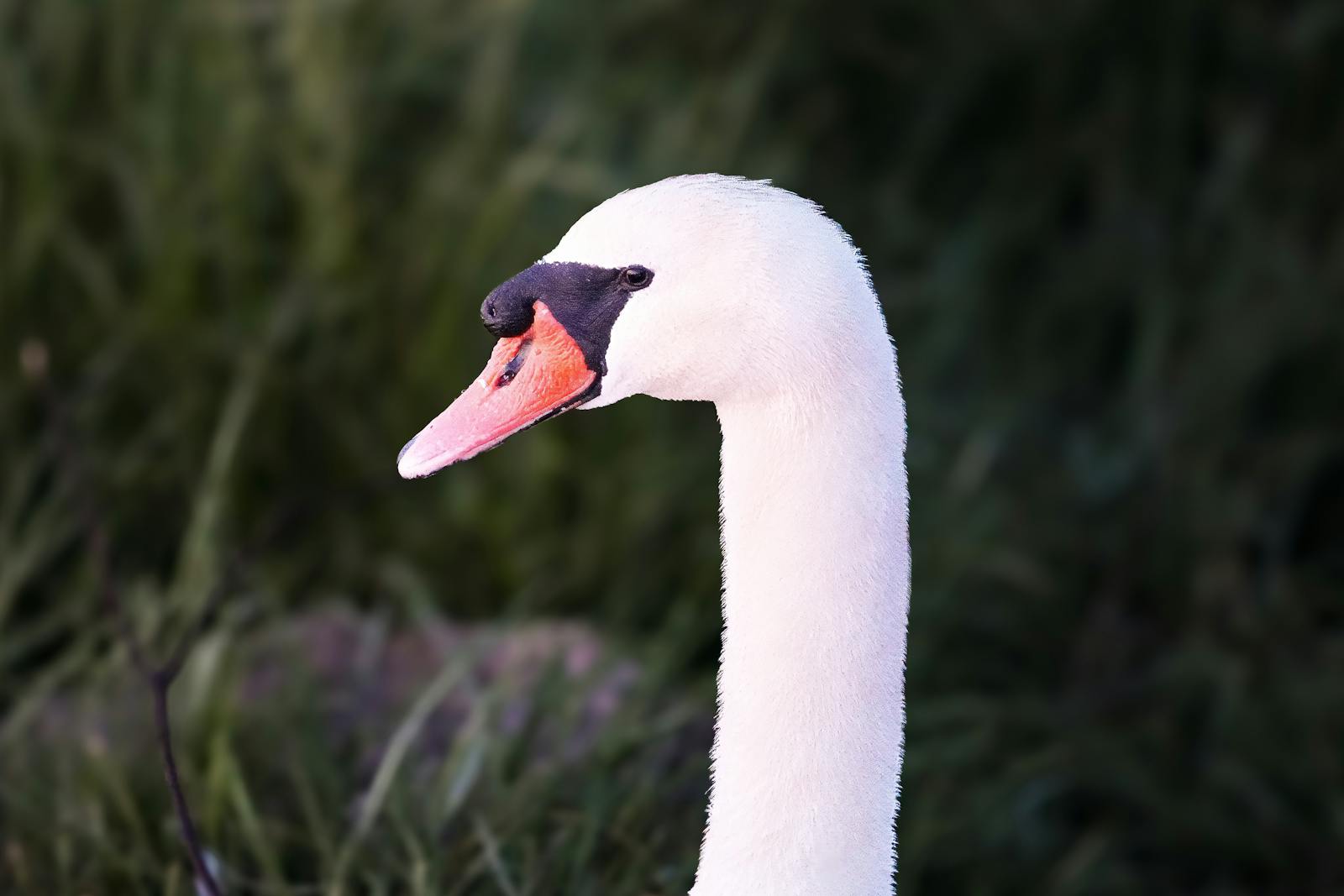
- Tension: A 58-year-old widower reluctantly picks up birdwatching on his therapist’s vague advice, and within six months his cognitive function and emotional state have measurably shifted — without any change in medication or formal brain training.
- Noise: We treat cognitive decline as something to fight with supplements, apps, and optimization — but the most effective interventions may be the ones that don’t feel like interventions at all, quietly stacking physical, neurological, and emotional benefits inside what looks like standing around in a park.
- Direct Message: Attention isn’t a muscle you strengthen through force — it’s a capacity that returns when you give it something genuinely worth landing on, and the brain heals fastest when it doesn’t know it’s being healed.
To learn more about our editorial approach, explore The Direct Message methodology.
The morning Gerald Huang walked out of his therapist’s office in Sacramento with a prescription for “literally any hobby,” he sat in his car for eleven minutes doing nothing. He was 58, recently widowed, and his two adult daughters had stopped calling as often — not out of cruelty, but because the conversations had become the same loop of weather and work. His therapist, who he’d been seeing for four months after his wife’s death, had told him something that felt almost insulting in its simplicity: “Gerald, you need to pay attention to something that isn’t your grief.”
He drove to a used bookstore that afternoon and bought a field guide to North American birds for $6. He couldn’t tell you why. Maybe because it was near the register. Maybe because the cover had a painted bunting on it that looked almost fake — too blue, too red, too alive.
Six months later, his therapist noted measurable improvements in his working memory, sustained attention, and self-reported anxiety levels. Gerald had not changed his medication. He had not started meditating, journaling, or doing crossword puzzles. He had started waking up at 5:40 a.m., walking to William Land Park with a pair of binoculars he bought on eBay for $35, and watching birds.
“I thought she was going to tell me to try yoga,” he told me over the phone, laughing in a way that sounded earned. “Instead I became the guy at the park who whispers ‘yellow-rumped warbler’ to himself like a lunatic.”

What happened to Gerald isn’t an anomaly. It’s part of a pattern researchers are only beginning to understand — one that connects the seemingly quaint act of watching birds to profound shifts in how the aging brain processes information, manages stress, and maintains what neuroscientists call cognitive reserve.
A landmark 2022 study published in Scientific Reports found that people who reported regularly watching or listening to birds had significantly lower levels of depression and anxiety, with effects lasting even in urban environments. The mechanism wasn’t just “being outside.” It was the specific kind of attention birds demand — what researchers describe as soft fascination, a state where the mind is alert but not strained, focused but not rigid.
This distinction matters more than it sounds. As we’ve explored before, birdwatchers show measurably sharper cognitive function than non-birders, and the reason isn’t that smarter people happen to like birds. It’s that birdwatching trains a specific cocktail of cognitive skills simultaneously — pattern recognition, auditory discrimination, spatial awareness, rapid categorization — all wrapped inside an activity that feels like leisure.
Donna Whitfield, 63, a retired school administrator in Portland, Oregon, picked up birding after a particularly rough holiday season alone. She’d read about the psychological collapse that can follow retirement and recognized herself in the description — the slow erosion of purpose that happens when your identity was always tied to a role that no longer exists.
“I wasn’t a birder,” Donna said. “I was a woman sitting on a bench in Forest Park because I didn’t know where else to go. And then a Steller’s jay landed on the railing next to me, and it looked at me like it was offended I existed, and I thought — I need to know what that is.”
Within three months, Donna was using the Merlin Bird ID app, keeping a handwritten life list, and driving to Sauvie Island before dawn on weekends. Within five months, she noticed she could remember where she’d left her keys. That her mind wasn’t churning at 2 a.m. the way it used to. That she could read a full chapter of a book without re-reading the same paragraph.
These aren’t placebo effects. A 2021 meta-analysis in the journal Ecological Economics examining the mental health benefits of biodiversity exposure found dose-dependent improvements — meaning the more species-rich the environment a person engaged with, the greater the psychological benefit. Birdwatching, by its very nature, pushes people toward biodiversity. You don’t stay in one spot. You chase variety. You learn to distinguish between dozens of species by song alone, which is essentially ear training that rewires auditory processing networks in the temporal lobe.
There’s a concept in cognitive science called effortful encoding — the idea that memories formed through active engagement are stored more durably than passive ones. When Gerald learns to tell a Cooper’s hawk from a sharp-shinned hawk by the shape of the tail in flight, his brain isn’t just filing away bird facts. It’s strengthening the same neural pathways that help him remember his cardiologist’s name, track a conversation with his daughter, follow the plot of a movie.
As psychologists have noted, people who take up birdwatching in midlife aren’t just finding a hobby — they’re accidentally training their brain to resist cognitive decline. The word “accidentally” matters. Nobody picks up binoculars thinking this will improve my hippocampal volume. They pick them up because a bird caught their eye. And that — the lack of performance pressure, the absence of optimization — may be exactly what makes it work.
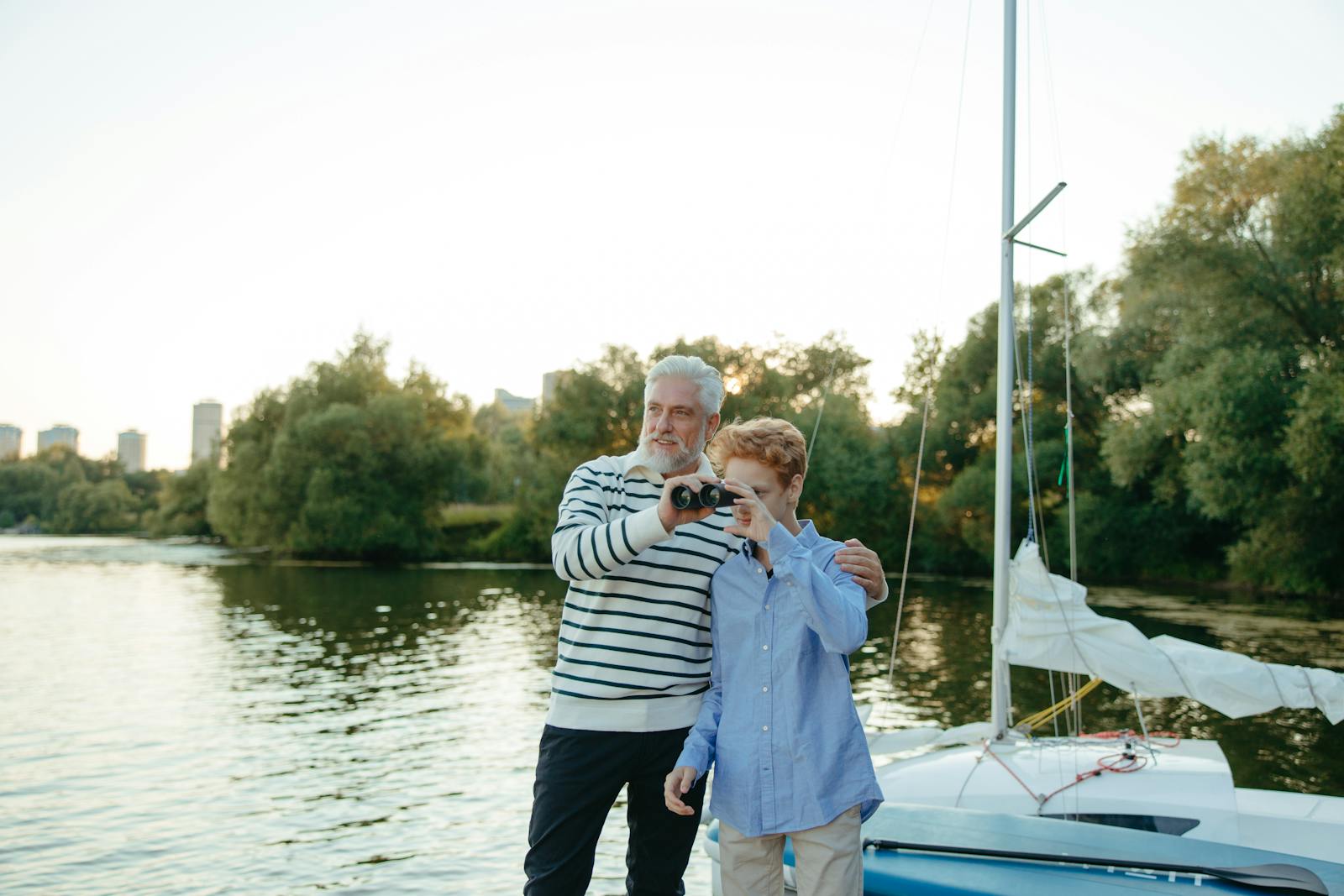
Marcus Reeves, 61, a former long-haul truck driver in Knoxville, Tennessee, puts it differently. He started birding after his doctor told him his blood pressure was dangerously high and he needed to reduce stress. Marcus had tried walking, but he hated it. “Walking felt like exercise pretending not to be exercise,” he said. “Birding gave me a reason to walk. The walking became invisible.”
This is a key mechanism researchers keep returning to — the embedded exercise effect. Birdwatchers routinely walk 2-4 miles per outing without registering it as physical activity because their attention is directed outward, toward sound and movement and color. The cardiovascular benefits stack on top of the cognitive ones. The cortisol reduction from nature exposure layers onto both. It’s not one intervention. It’s five or six, disguised as standing quietly near a pond.
Marcus’s blood pressure dropped 14 points in four months. He also stopped doom-scrolling at night. He also started sleeping better. He also — and this is the part that surprised him — started calling his brother again, after two years of silence following a fight about their mother’s estate. “I don’t know how to explain it,” he said. “Something just… loosened.”
That loosening is something therapists who work with grief and identity transitions see often in patients who find new channels for attention after major loss. When the mind has something specific and non-threatening to track — the arrival of warblers in spring, the nesting habits of great blue herons — it creates what psychologists call a temporal anchor. A rhythm that isn’t tied to work schedules or family obligations or the calendar of grief. The seasons become something you participate in rather than endure.
It’s worth noting what birdwatching is not. It’s not a supplement you can get wrong — unlike certain popular supplement combinations that may actually be accelerating brain aging. It’s not an app with a streak to maintain. It’s not a practice that requires equipment, flexibility, or faith in a system. It requires only that you go outside and pay attention. That you let something small and fast and indifferent to your problems become, for a few minutes, the most important thing in the world.
Gerald still goes to the park most mornings. He’s logged 147 species in his area. He can identify a white-crowned sparrow by its song from thirty yards away. His daughters call more often now — not because the grief lifted, but because Gerald has something to talk about that isn’t grief. He sends them photos. They send back the cry-laughing emoji when the photos are blurry, which they usually are.
“My therapist told me to find a hobby,” Gerald said. “What I found was a way to be present without having to try so hard at being present. The birds don’t care if I’m sad. They’re just there. And somehow, watching them be just there — it taught me how to be just here.”
That’s the thing nobody tells you about attention. We spend so much energy trying to fix it — supplements, routines, apps that promise to sharpen your focus in ten minutes a day. But attention isn’t a muscle you strengthen through force. It’s more like a bird itself. You can’t grab it. You can only create the conditions where it wants to land. And then you stay very, very still. And you wait. And eventually, without you noticing exactly when it happened, everything gets a little quieter, a little clearer, and you realize you’ve been paying attention this whole time — not to the thing you were trying to fix, but to the world that was always there, just outside the window, waiting for you to look up.
Feature image by David Kanigan on Pexels